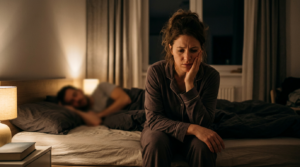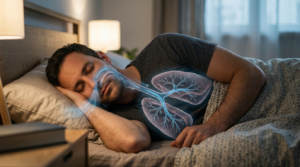

Bedroom Air Quality and Sleep: Could Your Room Affect Breathing at Night?
You will learn how bedroom air quality may affect breathing during sleep, which room factors to watch, and simple steps that may help you sleep more comfortably.
Trusted Education on Sleep, Bruxism, Headache, and Respiratory Health

You will learn how bedroom air quality may affect breathing during sleep, which room factors to watch, and simple steps that may help you sleep more comfortably.
Â
The Sleep and Respiratory Scholar helps you understand symptoms that often overlap: poor sleep, snoring, morning headaches, jaw clenching, mouth breathing, and breathing problems. Choose start here link or choose a topic below to learn what your symptoms may mean, what patterns to watch for, and when to ask a medical or dental professional for guidance.
START HERE
Start here if you have recurring headaches, temple pain, morning headaches, facial soreness, or symptoms that may overlap with jaw tension, sleep, or breathing.
Start here if you deal with asthma, allergies, congestion, mouth breathing, poor air quality, nighttime breathing symptoms, or breathing problems that affect daily life.
Start here if you snore, wake up tired, feel foggy during the day, wake with morning headaches, or wonder whether poor sleep may be affecting your health.
Start here if you clench your jaw, grind your teeth, wake with jaw soreness, notice tooth sensitivity, or feel tension in your face, temples, or jaw.
Learn how headaches may relate to sleep, jaw tension, migraine, stress, and facial pain.
Learn how asthma, allergies, air quality, mouth breathing, and lung health affect daily life and sleep.
Learn about sleep apnea, sleep testing, snoring, fatigue, and nighttime breathing problems.

You will learn how bedroom air quality may affect breathing during sleep, which room factors to watch, and simple steps that may help you sleep more comfortably.

You will learn why waking up choking or gasping can happen, how sleep apnea, reflux, anxiety, and breathing issues can overlap, and what clues to track before talking with a professional.

Breathing during sleep can affect how you feel when you wake up. This article helps you understand how mouth breathing, snoring, gasping, nasal congestion, dry mouth, morning headaches, brain fog, and waking unrefreshed may fit together as a symptom pattern. You will learn what to track, when snoring may deserve more attention, and who to ask for help.

You will learn how headache and facial pain may overlap with jaw, sinus, migraine, sleep, breathing, or dental concerns. You will understand what symptoms to track and when to ask a dentist, doctor, or specialist for help.

Headache with ear pain can feel confusing because the source is not always obvious. You may assume the problem is inside the ear, especially if

Tension headaches and migraines can overlap, but they often follow different patterns. You will learn how pain quality, nausea, light sensitivity, jaw tension, sleep clues, and morning symptoms can help you track what to discuss with a clinician.

Jaw clenching can cause or contribute to headaches when jaw muscles stay tense or overworked. You will learn the signs to track, when sleep may be involved, and how biofeedback tools like ClenchAlert and the BRUX Method may help you notice and change the pattern.

Migraine and bruxism can overlap through jaw clenching, teeth grinding, sleep disruption, and facial pain. Learn what signs to track and when to seek help.

Headache and facial pain can leave you wondering who to call first. Should you see a dentist, a doctor, an ENT, a neurologist, or an

TMD headache happens when pain from the jaw joint, chewing muscles, or nearby nerves is felt as head, face, ear, tooth, or neck pain. It can feel like temple pressure, ear pain, facial aching, or a tension-type headache. Pain that worsens with chewing, clenching, jaw movement, or morning jaw soreness may suggest the jaw is part of the pattern.

You will learn the difference between a stress headache and a tension headache, why the two often overlap, and how jaw clenching, neck tension, posture, and sleep may contribute to head pain.

You will learn how to use a chronic headache pattern tracker to record timing, location, triggers, sleep clues, jaw tension, migraine signs, and warning symptoms. This guide helps you organize recurring headache patterns before talking with a doctor, dentist, sleep professional, or headache specialist.

You will learn why temple headache and jaw tension can appear together, how clenching and TMJ strain may be involved, what symptoms to track, and when to seek professional care.

You will learn why headache behind the eyes can have several possible causes, including migraine, sinus pressure, eye strain, poor sleep, and jaw tension. You will also learn what symptoms to track before talking with a doctor, eye doctor, dentist, sleep professional, or orofacial pain specialist.

You will learn how morning symptoms may connect to sleep quality, breathing, jaw clenching, mouth breathing, headaches, dental problems, or other health concerns. You will understand what to track, which symptom pattern to notice first, and when to ask a medical, dental, sleep, or orofacial pain professional for help.

You will learn why waking up with jaw pain can happen and how sleep bruxism, daytime clenching, TMD symptoms, tooth pain, neck tension, and sleep quality may overlap. You will understand what clues to track and when it may be time to speak with a dentist or healthcare provider.

You will learn why waking up with dry mouth can happen, how mouth breathing, snoring, nasal congestion, CPAP leaks, medications, and sleep apnea may overlap, and what symptoms are worth tracking before your next medical or dental visit.

You will learn why 8 hours of sleep may not feel restful, what morning symptoms to track, and when tired mornings may deserve medical or dental evaluation.

You will learn why morning neck pain and headaches can come from more than one source, including sleep position, jaw clenching, mouth breathing, snoring, and poor sleep quality. You will understand what patterns to track and when to ask a medical, dental, sleep, or orofacial pain professional for help.

You will learn why waking up with tooth pain can have more than one cause, including nighttime grinding, jaw clenching, sinus pressure, tooth sensitivity, and dental problems.
You will understand which symptoms to track, which warning signs need dental care, and how morning tooth pain may fit into a larger sleep, jaw, or breathing pattern.

You will learn why waking up dizzy can happen, how morning dizziness may overlap with poor sleep, what symptoms to track, and when dizziness after sleep should be discussed with a medical professional.

You will learn why waking up gasping for air can happen, what symptoms may point to sleep apnea or another health issue, and what details to track before speaking with a medical professional.

You will learn why morning brain fog may be connected to fragmented sleep, mouth breathing, snoring, sleep apnea risk, or poor sleep quality. You will understand what symptoms to track and when foggy mornings may deserve professional evaluation.

You will learn what to track when you wake up with headaches, how sleep, breathing, jaw tension, and neck pain may overlap, and what details to bring to your appointment.

You will learn when bruxism symptoms are no longer something to ignore. You will understand which signs may need a dental evaluation, what a dentist may check, and how treatment options may protect your teeth, jaw, and sleep quality.

You will learn why jaw clenching can happen while working, driving, concentrating, or staring at a screen. You will understand how focus, stress, posture, breathing, and habit loops can turn jaw tension into an automatic daytime pattern.

You will learn how bruxism and sleep quality may overlap, why teeth grinding can appear with jaw pain, morning headaches, fatigue, and snoring, and when to seek professional evaluation.

You will understand how to track symptoms like jaw tightness, morning headaches, tooth sensitivity, snoring, dry mouth, and daytime clenching so you can have a clearer conversation with a dentist, physician, sleep professional, or orofacial pain specialist.

You will learn how jaw clenching and teeth grinding may contribute to ear pain, ear pressure, and ear fullness. You will understand why ear symptoms should still be medically evaluated and how jaw tension may fit into the bigger symptom pattern.

You will learn how jaw clenching may contribute to temple headaches, why the temporalis muscle can make jaw tension feel like head pain, and which symptom patterns may suggest your jaw is part of the problem.

Learn the common signs, causes, and health risks of obstructive sleep apnea and why proper evaluation and treatment matter.

Learn what causes recurring headache and facial pain, including jaw clenching, bruxism, migraine, TMD, sleep problems, nerve pain, and dental issues.
You will learn what symptoms to watch for, how to recognize patterns in your pain, and what may help you find the right next step for treatment.

This article helps you understand what bruxism is and how teeth grinding and jaw clenching can affect your oral and overall health. You will learn the difference between awake and sleep bruxism, common symptoms, possible causes, and when it may be time to seek help.

Learn the common signs and causes of bruxism and the treatment options that may help reduce teeth grinding and jaw clenching.

You will learn how bruxism and jaw tension can affect your teeth, jaw, head, face, and sleep, what symptom patterns to recognize, and what next steps may help.

You will learn why your teeth should not stay together at rest, how the teeth apart resting jaw position works, and simple cues to help relax your jaw during the day.

You will learn why stress and anxiety can show up as jaw tension, clenching, tooth contact, and facial tightness. You will understand how to spot stress jaw patterns, relax your jaw, and know when symptoms need professional attention.

You will learn why a mouthguard can protect your teeth even if you still clench. You will understand why night guards help reduce dental damage, why jaw pain can continue, and what additional strategies may help with daytime clenching, sleep bruxism, and jaw awareness.

You will learn the difference between awake bruxism and sleep bruxism, how to recognize daytime clenching and nighttime grinding, and why symptom timing can help you choose the right next step.

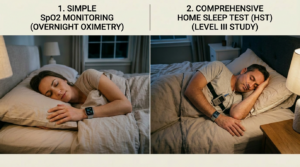
This article helps you understand why SpO2 alone cannot diagnose sleep apnea.
You will learn how pulse oximetry differs from home sleep testing, where devices like WristOx2 and Nox T3 fit, and how overnight oximetry may help guide oral appliance titration before confirmatory follow-up testing.

Learn how asthma, allergies, congestion, and air quality can affect breathing and sleep, plus practical ways to reduce flare-ups.

Learn how sleep disorders can cause more than fatigue, including brain fog, headaches, snoring, and poor concentration.

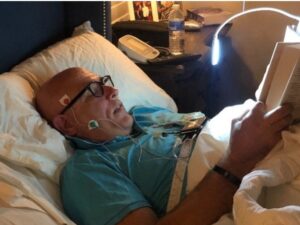
This article helps you understand how a custom oral appliance may be used to treat obstructive sleep apnea and why follow-up testing matters. You will learn what Randy Clare’s personal experience with a Silent Nite SL, NOX T3 home sleep testing, and EMG monitoring revealed about oral appliance titration, symptom improvement, and outcome verification.

This article helps you understand how bruxism can lead to jaw pain, headaches, facial soreness, and tooth damage. You will learn how clenching and grinding strain the jaw muscles and joints and what treatment options may help reduce pain and protect your teeth.

This article helps you understand how dentists diagnose bruxism and what signs they look for during an exam. You will learn how symptoms, tooth wear, jaw tension, bite changes, and patient history help identify clenching and grinding.

This article helps you recognize the common signs of bruxism, including symptoms that may be easy to miss at first.
You will learn the 10 symptoms dentists and patients often associate with teeth grinding and jaw clenching, including jaw pain, headaches, worn teeth, and disrupted sleep.

This article helps you understand why morning headaches may come from jaw clenching, disrupted breathing during sleep, or both.
You will learn how bruxism and sleep apnea can overlap, what symptoms to watch for, and what to do next.

Learn what causes mouth breathing at night, what symptoms to watch for, and what practical steps may help.

Learn which symptoms may point to a sleep disorder and when a sleep study may help clarify the next step.

Learn the difference between a home sleep test and a lab sleep study and which option may fit your symptoms.

Learn how poor air quality affects breathing and what practical steps may help protect your lungs indoors and outdoors.

Learn what causes stress-related jaw clenching during the day and why it is strongly linked to awake bruxism.
You will learn how awake bruxism differs from sleep bruxism, what symptoms to watch for, and what may help you build better jaw awareness.

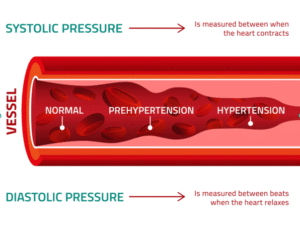
Learn how obstructive sleep apnea and high blood pressure are connected and why treatment may matter.

This article helps you understand how migraine and tension-type headache can affect focus, productivity, attendance, and quality of work.
You will learn why presenteeism is often a hidden workplace cost, how headache disorders can reduce work ability, and what employers and employees can do to reduce the burden.

Learn why children may grind their teeth, which symptoms to watch for, and when it may be time to seek help.

This article helps readers understand whether sleep apnea may be contributing to anxiety and depression. Readers will learn how poor sleep, breathing disruptions, and daytime exhaustion can affect mood and when to seek evaluation.
Learn how exercise can support lung health, improve stamina, and help you breathe more comfortably during daily activity.

Learn how sleep apnea may affect pregnancy, which symptoms to watch for, and when evaluation may be appropriate.

Learn when caffeine may help headache pain, when it may make it worse, and how to use it more carefully.

Shallow breathing during sleep can disrupt oxygen levels, fragment sleep, and leave you tired the next day. Learn what hypopnea means, how it relates to sleep apnea, and when to seek help.

Learn what a stress headache feels like, what causes it, how jaw clenching and poor sleep may contribute, and what may help you get relief.

This article helps you understand how sleep apnea can affect heart health, blood pressure, oxygen levels, and cardiovascular risk.
You will learn why disrupted breathing during sleep can place stress on the heart, what symptoms and risk factors to watch for, and why early screening and treatment may help protect long-term heart health.

Learn how TMJ problems and bruxism can contribute to headaches and facial pain and what kinds of treatment may help.

You will learn how asthma and allergies are connected, which symptoms and triggers matter, and when to ask a healthcare provider for help. You will understand why nighttime coughing, congestion, mouth breathing, or shortness of breath may be signs that your respiratory health needs more attention.
Learn how COPD and sleep apnea can overlap, worsen breathing and sleep, and why diagnosis is important.

Sleep apnea is more than loud snoring. Learn the warning signs, health risks, and treatment options that can help protect your sleep, energy, and long-term health.

Learn which habits and triggers may be feeding chronic daily headaches and what simple steps may help reduce them.

You will learn when surgery may be considered for obstructive sleep apnea, especially when other treatments are not effective or are not well tolerated.
You will learn how procedures such as UPPP and tracheostomy work, what risks to consider, and why sleep apnea surgery is usually approached as a carefully selected treatment option rather than a first step.

You will learn how migraine, stress, breathing, sleep, and jaw tension can interact through the mind-body connection. You will understand how biofeedback, breathing exercises, mindfulness, and clenching awareness may help you recognize headache triggers earlier and respond with more control.
You will learn how some studies have reported ongoing symptoms in about 10% of people after COVID-19, while other estimates are higher depending on the population studied, symptom definitions, and follow-up period.

You will learn the most common migraine symptoms, including head pain, nausea, light sensitivity, and aura. You will also learn what can trigger migraines, which treatment options may help, and when it is time to seek medical care.

You will learn how tension headaches may be connected to stress, poor sleep, posture, neck tension, jaw clenching, and bruxism. You will understand common symptoms, possible triggers, and when to speak with a medical or dental professional.

You will learn how symptoms like snoring, daytime fatigue, morning headaches, brain fog, jaw tension, and poor focus may point to a sleep disorder. You will understand when these patterns may require sleep testing, medical evaluation, or a closer look at breathing, movement, and sleep quality.

You will learn why loud, frequent snoring can be more than a nighttime annoyance. This article explains the difference between simple snoring and sleep apnea, the warning signs to watch for, and when to ask a medical provider about sleep testing.

This article helps you understand why sleep apnea must be diagnosed by a qualified sleep physician using appropriate sleep testing equipment, and why access to testing can be an important part of getting proper care.

You will learn why sleep therapies should begin with diagnostic testing that can identify and measure the severity of the condition.
You will also learn why, when possible, the same type of objective testing should be used to guide, adjust, and confirm whether treatment is working.
Sign up for the latest in sleep and respiratory articles to improve your practice.