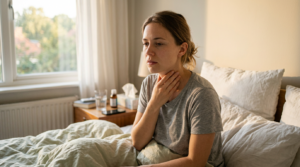

Can Allergies Cause Snoring and Mouth Breathing at Night?
You will learn how allergies can affect nighttime breathing, why nasal congestion may lead to snoring or mouth breathing, and when symptoms may point to a larger sleep or airway issue.
Sleep problems can affect energy, focus, mood, breathing, and long-term health. In this section, you will learn about OSA, various disorders, HST, PSG and Pulse Oximetry, common symptoms, possible causes, and treatment options that may help improve quality and overall well-being.
Start Here
If you are trying to make sense of sleep symptoms, testing, or sleep-related breathing problems, this section is a good place to begin. These articles will help you understand common sleep disorders, how they are evaluated, and why better sleep matters for overall health.
Start with What Is Obstructive Sleep Apnea? Symptoms, Causes, and Why It Matters if you want a practical introduction to one of the most common sleep-related breathing disorders.
Read Signs You May Need a Sleep Study if you are wondering whether snoring, daytime fatigue, headaches, or poor sleep quality may be signs that testing is worth discussing.
Go to Home Sleep Test vs Lab Sleep Study if you want to understand the difference between common testing options and what each one can and cannot tell you.
Choose Can a Pulse Oximeter Diagnose Sleep Apnea? Not by Itself if you are trying to understand how oxygen data fits into the bigger picture of sleep evaluation.

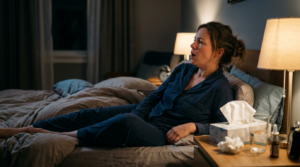
You will learn how allergies can affect nighttime breathing, why nasal congestion may lead to snoring or mouth breathing, and when symptoms may point to a larger sleep or airway issue.

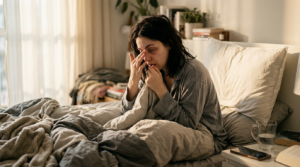
You will learn how nasal congestion can affect sleep quality, mouth breathing, dry mouth, snoring, morning headaches, facial pressure, and jaw tension patterns.

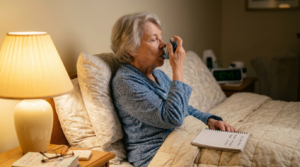
You will learn how COPD and sleep apnea overlap syndrome can affect nighttime breathing, oxygen levels, sleep quality, morning symptoms, and when to ask a clinician about testing.

You will learn how morning symptoms may connect to sleep quality, breathing, jaw clenching, mouth breathing, headaches, dental problems, or other health concerns. You will understand what to track, which symptom pattern to notice first, and when to ask a medical, dental, sleep, or orofacial pain professional for help.

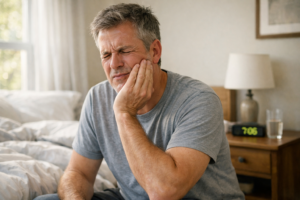
You will learn why waking up with jaw pain can happen and how sleep bruxism, daytime clenching, TMD symptoms, tooth pain, neck tension, and sleep quality may overlap. You will understand what clues to track and when it may be time to speak with a dentist or healthcare provider.

You will learn why waking up with dry mouth can happen, how mouth breathing, snoring, nasal congestion, CPAP leaks, medications, and sleep apnea may overlap, and what symptoms are worth tracking before your next medical or dental visit.

You will learn why 8 hours of sleep may not feel restful, what morning symptoms to track, and when tired mornings may deserve medical or dental evaluation.

You will learn why morning neck pain and headaches can come from more than one source, including sleep position, jaw clenching, mouth breathing, snoring, and poor sleep quality. You will understand what patterns to track and when to ask a medical, dental, sleep, or orofacial pain professional for help.

You will learn why waking up with tooth pain can have more than one cause, including nighttime grinding, jaw clenching, sinus pressure, tooth sensitivity, and dental problems.
You will understand which symptoms to track, which warning signs need dental care, and how morning tooth pain may fit into a larger sleep, jaw, or breathing pattern.

You will learn why waking up dizzy can happen, how morning dizziness may overlap with poor sleep, what symptoms to track, and when dizziness after sleep should be discussed with a medical professional.
Sign up for the latest in sleep and respiratory articles to improve your practice.