
Signs You May Need a Sleep Study
Learn which symptoms may point to a sleep disorder and when a sleep study may help clarify the next step.

Learn which symptoms may point to a sleep disorder and when a sleep study may help clarify the next step.

Learn the difference between a home sleep test and a lab sleep study and which option may fit your symptoms.
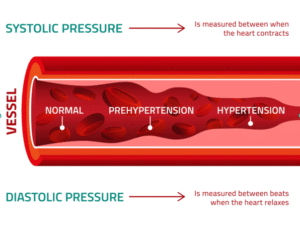
Learn how obstructive sleep apnea and high blood pressure are connected and why treatment may matter.
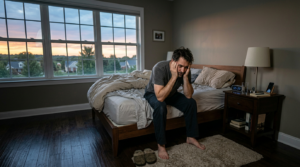
This article helps readers understand whether sleep apnea may be contributing to anxiety and depression. Readers will learn how poor sleep, breathing disruptions, and daytime exhaustion can affect mood and when to seek evaluation.
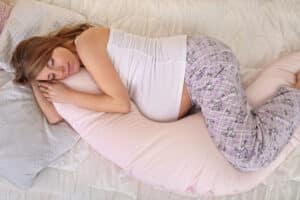
Learn how sleep apnea may affect pregnancy, which symptoms to watch for, and when evaluation may be appropriate.
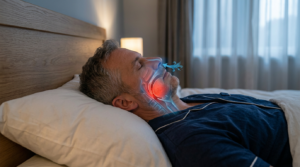
Shallow breathing during sleep can disrupt oxygen levels, fragment sleep, and leave you tired the next day. Learn what hypopnea means, how it relates to sleep apnea, and when to seek help.

This article helps you understand how sleep apnea can affect heart health, blood pressure, oxygen levels, and cardiovascular risk.
You will learn why disrupted breathing during sleep can place stress on the heart, what symptoms and risk factors to watch for, and why early screening and treatment may help protect long-term heart health.
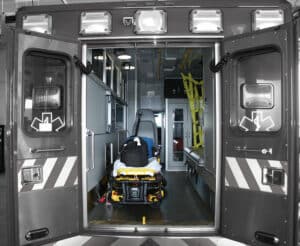
Sleep apnea is more than loud snoring. Learn the warning signs, health risks, and treatment options that can help protect your sleep, energy, and long-term health.
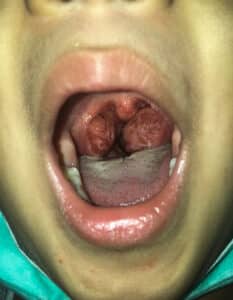
You will learn when surgery may be considered for obstructive sleep apnea, especially when other treatments are not effective or are not well tolerated.
You will learn how procedures such as UPPP and tracheostomy work, what risks to consider, and why sleep apnea surgery is usually approached as a carefully selected treatment option rather than a first step.
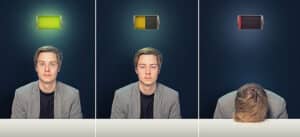
You will learn how symptoms like snoring, daytime fatigue, morning headaches, brain fog, jaw tension, and poor focus may point to a sleep disorder. You will understand when these patterns may require sleep testing, medical evaluation, or a closer look at breathing, movement, and sleep quality.