
Last updated on May 6th, 2026 at 08:56 am
Medically responsible content note:
This article is for education only and does not diagnose or treat medical, dental, or sleep conditions. Bruxism, jaw pain, headaches, snoring, breathing pauses, and respiratory symptoms can have multiple causes. Seek care from a qualified medical, dental, sleep, or orofacial pain professional when symptoms are persistent, worsening, severe, or disruptive.
Yes, sleep apnea can contribute to anxiety and depression in some people. It is not always the only cause, but it can be an important part of the picture. When breathing is disrupted again and again during sleep, the brain and body may miss the deep, restorative sleep they need. Over time, that can affect mood, energy, focus, and stress tolerance.
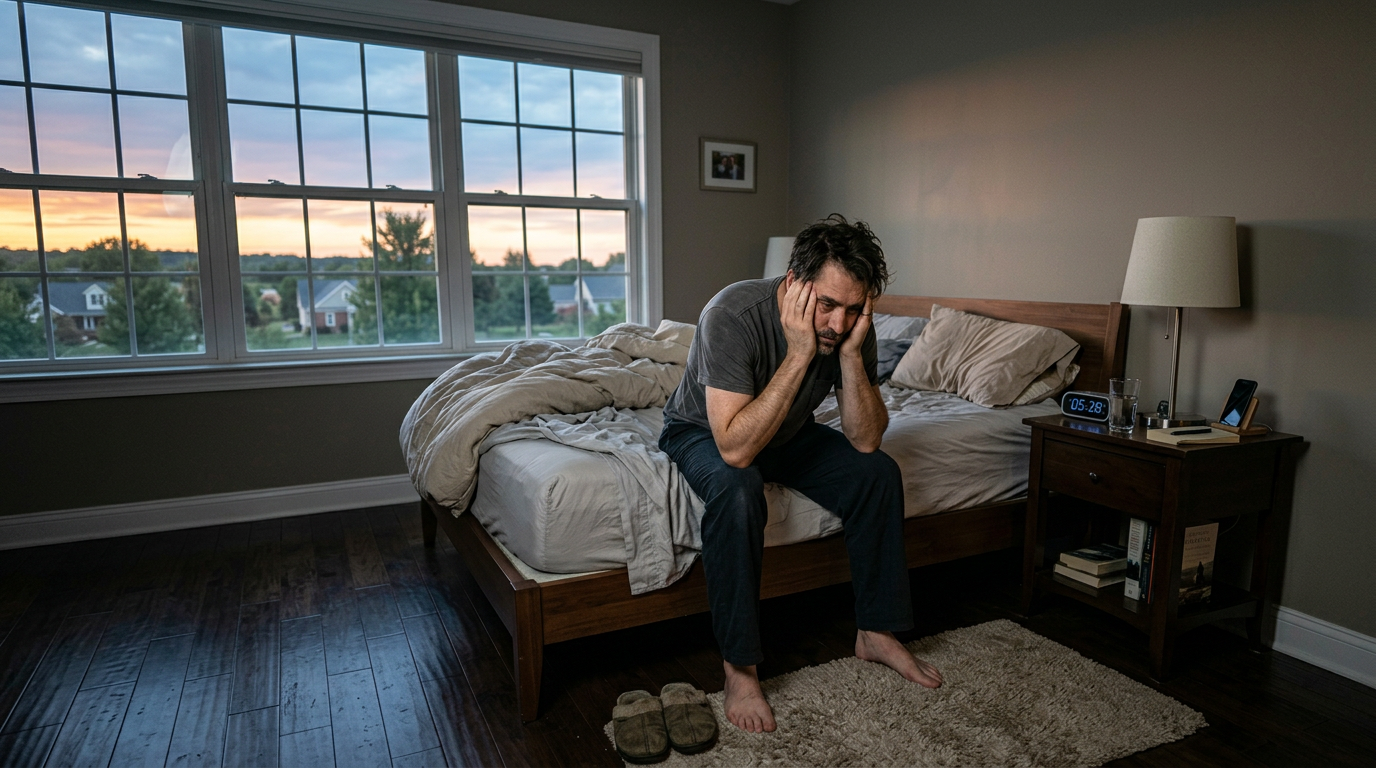
Many people with untreated sleep apnea do not realize how much poor sleep is affecting them. They may blame stress, aging, burnout, or a busy schedule. In some cases, what looks like a mental health problem may be worsened by a sleep-related breathing disorder that has gone unnoticed. Sleep deficiency itself is associated with depressed mood, attention problems, irritability, and reduced motivation.
That does not mean sleep apnea is the only reason someone feels anxious or depressed. Mood symptoms can have many causes. Still, when low mood, irritability, daytime exhaustion, and unrefreshing sleep show up together, sleep apnea deserves a closer look.
How Sleep Apnea Can Affect Mood
Obstructive sleep apnea happens when the upper airway repeatedly narrows or closes during sleep. These events can reduce oxygen levels and repeatedly pull a person out of deeper sleep, even if they do not remember waking up. The result is often fragmented, poor-quality sleep that leaves them feeling unrested.
When that pattern continues night after night, the effects can spill into daily life. A person may feel more irritable, less patient, more emotionally reactive, or mentally foggy. Sleep plays a major role in mood regulation, and inadequate sleep is linked to sadness, anger, impulsivity, and difficulty paying attention.
If you are unsure whether your symptoms fit this pattern, click here to learn more: What Is Obstructive Sleep Apnea? Symptoms, Causes, and Why It Matters.
Can Sleep Apnea Make Anxiety Worse?
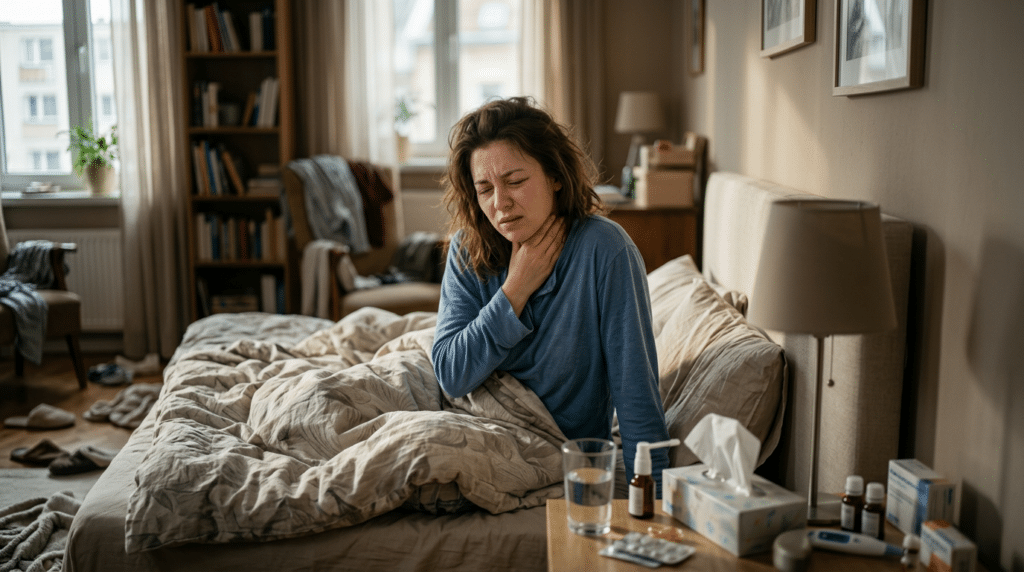
Yes, it can. Sleep apnea can leave the body feeling stressed and unrested, which may make anxiety harder to manage. If you wake up tired every day, struggle to concentrate, and feel physically drained, even small problems can feel bigger than they are. Some people also wake with a racing heart, unease, or the feeling that they never truly settled into sleep. These symptoms overlap with anxiety, even when poor sleep is a major driver.
Over time, poor sleep can make emotional regulation harder. It can lower frustration tolerance, increase irritability, and reduce resilience under everyday stress. That does not prove sleep apnea is causing an anxiety disorder, but it does help explain why untreated sleep apnea can intensify anxious feelings in some people.
This is especially important when anxiety appears alongside loud snoring, dry mouth, morning headaches, choking or gasping during sleep, or excessive daytime sleepiness. Those are classic warning signs that breathing during sleep may be part of the problem.
Can Sleep Apnea Contribute to Depression?
It can. People with untreated sleep apnea often describe feeling worn down, flat, unmotivated, or emotionally heavy. That may happen because chronic sleep disruption affects systems involved in mood, energy, and recovery. Sleep deficiency is associated with depressed mood and low motivation, and untreated sleep apnea can add another layer to that burden.
Fatigue is part of the reason this overlap is easy to miss. A person may assume they are depressed because they have low energy, poor concentration, and no motivation. Those symptoms are real, but in some cases sleep apnea may be contributing to them or making them worse.
Signs Your Mood Symptoms May Be Linked to Sleep Apnea
Mood changes alone do not mean you have sleep apnea. The pattern becomes more suspicious when those changes show up with common sleep apnea symptoms such as:
- loud snoring
- witnessed pauses in breathing
- gasping or choking during sleep
- waking with a dry mouth
- waking unrefreshed
- excessive daytime sleepiness
- brain fog or trouble concentrating
- morning headaches
- irritability or feeling emotionally short-fused
Morning headaches deserve special attention because they can overlap with both sleep apnea and bruxism. Jaw tension, temple pain, facial soreness, and poor sleep can all blur together. If that sounds familiar, click here: Morning Headaches: Is It Bruxism, Sleep Apnea, or Something Else?

Why the Problem Is Often Missed
Sleep apnea is often overlooked because its symptoms do not always look dramatic from the inside. A person may know they feel tired, foggy, tense, or unlike themselves, but they may not know their breathing is being disrupted during sleep. Some people do not realize they snore, and others sleep alone and never hear about pauses in breathing or gasping from a partner.
The condition can also hide behind other explanations. Stress, burnout, headaches, poor concentration, and low mood can seem like separate problems. In reality, untreated sleep apnea may be sitting underneath several of them at once.
Can Treating Sleep Apnea Help Mental Health?
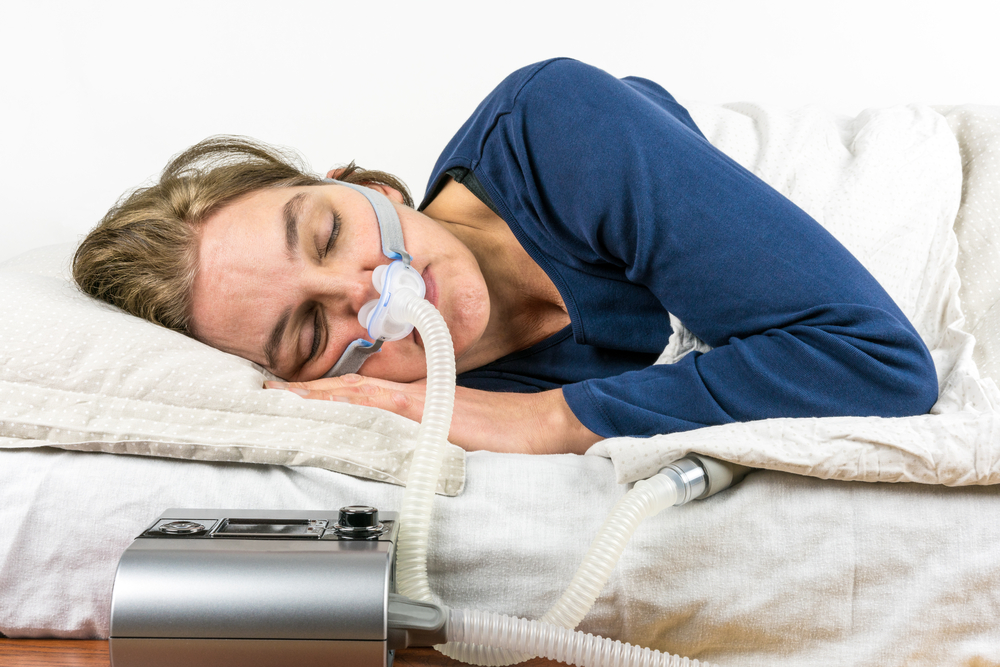
In some cases, yes. When sleep apnea is treated effectively, people may sleep more deeply, wake less often, and feel more rested during the day. Better sleep can support better mood, clearer thinking, improved patience, and steadier energy. NHLBI notes that common treatments include breathing devices such as CPAP and lifestyle changes, depending on the case.
Treatment options may include CPAP, oral appliance therapy, positional strategies, weight management where appropriate, and evaluation of nasal obstruction or congestion. The right approach depends on the person and should be guided by a qualified clinician. Treating sleep apnea will not solve every mental health problem, but it may remove one major source of strain on the body and brain.
If nighttime mouth breathing, congestion, or waking with a dry mouth are also part of the picture, click here: Mouth Breathing at Night: Causes, Symptoms, Risks, and How to Stop It.
Sleep Apnea Is Only One Piece of the Picture
It is important not to oversimplify mood symptoms. Anxiety and depression can be influenced by many things, including chronic stress, trauma, grief, medications, hormone changes, other medical conditions, and other sleep disorders. Sleep apnea is not the answer to every emotional struggle.
Still, it is a problem worth ruling out when poor sleep and mood changes travel together. If you are tired all the time, snore heavily, wake with headaches or dry mouth, or feel unlike yourself during the day, sleep apnea may be playing a role even if you had not considered it before.
If you want a broader look at how breathing problems affect sleep and daily function, click here: Respiratory Health: Triggers, Asthma, Allergies, Sleep, and Breathing Problems.
When to Seek Evaluation
It may be time to talk to a healthcare professional if you have ongoing anxiety or depression symptoms and also have signs of poor breathing during sleep. Bring the full pattern with you, not just one symptom. Mention snoring, choking, dry mouth, morning headaches, daytime sleepiness, poor concentration, and mood changes together. That bigger picture may help a clinician recognize the need for sleep apnea testing.
A sleep study, whether done at home or in a lab depending on the situation, can help determine whether sleep apnea is present. NHLBI notes that sleep studies are used to diagnose sleep-related breathing disorders such as sleep apnea.
If jaw clenching, teeth grinding, or facial tension are also part of your symptom pattern, click here: Bruxism: Symptoms, Causes, Treatments, and How to Stop Teeth Grinding.
The Bottom Line
Sleep apnea can contribute to anxiety and depression in some people by disrupting sleep, straining the body, and reducing the restorative value of the night. It is not the only possible cause of mood symptoms, but it is an important and often overlooked one, especially when snoring, unrefreshing sleep, daytime fatigue, dry mouth, or morning headaches are also present.
If you feel emotionally worse than you think you should and you are also sleeping poorly, it may be worth asking whether your breathing during sleep is part of the problem. Sometimes treating sleep apnea does not fix everything, but it can remove one major obstacle to feeling better. Severe depression, panic, or thoughts of self-harm deserve prompt professional care, whether or not sleep apnea is part of the picture.
FAQ
Can sleep apnea cause anxiety?
Yes, sleep apnea can contribute to anxiety in some people. Repeated sleep disruption, daytime fatigue, and poor emotional regulation may make anxiety harder to manage.
Can sleep apnea cause depression?
Sleep apnea can contribute to depressive symptoms in some people, especially when sleep becomes fragmented and unrefreshing over time.
Can poor sleep make anxiety worse?
Yes. Poor sleep is linked to irritability, stress sensitivity, and worse mood regulation, all of which can intensify anxiety.
Can poor sleep make depression worse?
Yes. Sleep deficiency is associated with depressed mood, low motivation, and trouble concentrating.
What are the warning signs that mood symptoms may be linked to sleep apnea?
Snoring, gasping, witnessed pauses in breathing, waking unrefreshed, dry mouth, morning headaches, and daytime sleepiness are important clues.
Can sleep apnea feel like anxiety?
Sometimes. A person with untreated sleep apnea may feel wired, exhausted, foggy, or emotionally on edge, which can overlap with anxiety symptoms.
Can sleep apnea be mistaken for depression?
Yes. Fatigue, low motivation, brain fog, and poor concentration can overlap with depressive symptoms, which is one reason sleep apnea may be missed.
How is sleep apnea diagnosed?
Sleep apnea is typically diagnosed with a sleep study, either at home or in a sleep center, depending on the situation.
Can treating sleep apnea improve mood?
It can in some people. Better sleep may improve energy, emotional stability, and daytime functioning.
When should someone seek help?
A person should seek evaluation if mood symptoms happen along with snoring, unrefreshing sleep, choking, morning headaches, dry mouth, or daytime sleepiness. Urgent mental health symptoms deserve prompt care.
Suggested references
National Heart, Lung, and Blood Institute. What is sleep apnea? Updated January 9, 2025.
National Heart, Lung, and Blood Institute. Sleep apnea diagnosis. Updated January 9, 2025.
National Heart, Lung, and Blood Institute. Sleep studies. Updated March 24, 2022.
National Heart, Lung, and Blood Institute. How sleep affects your health. Updated June 15, 2022.
National Institute of Neurological Disorders and Stroke. Brain basics: understanding sleep. Updated February 25, 2025.
Mayo Clinic. Obstructive sleep apnea: symptoms and causes. Updated December 4, 2025.
Jehan S, Zizi F, Pandi-Perumal SR, et al. Depression, obstructive sleep apnea and psychosocial health. Innov Clin Neurosci. 2017;14(7-8):10-15.

Randy Clare is a writer, educator, and health communicator focused on making complex clinical topics easier to understand. He is the author of The Brux Method, host of The Clenching Chronicle Podcast, and a contributor to ClenchAlert. He previously served as Director of Digital Marketing at Glidewell Dental, is President of Hawkeye Group, and co-founded the American Sleep and Breathing Academy.