
Last updated on April 25th, 2026 at 07:03 am
Medically responsible content note:
This article is for education only and does not diagnose or treat medical, dental, or sleep conditions. Bruxism, jaw pain, headaches, snoring, breathing pauses, and respiratory symptoms can have multiple causes. Seek care from a qualified medical, dental, sleep, or orofacial pain professional when symptoms are persistent, worsening, severe, or disruptive.
Sleep problems are easy to explain away.
You may blame stress, aging, a busy schedule, late-night screen time, or not giving yourself enough hours in bed. Sometimes those things are part of the story. But if you regularly wake up tired, feel foggy during the day, snore loudly, wake with headaches, grind your teeth, or struggle to stay alert, your sleep may be giving you important information.
A sleep disorder is not just “bad sleep.” Sleep disorders can affect how you breathe, move, think, feel, recover, and function during the day. Some sleep disorders make it hard to fall asleep. Some interrupt your breathing. Some cause repeated movements. Others disrupt your internal body clock or make you feel sleepy even when you thought you slept enough.
The challenge is that many sleep disorders are missed.
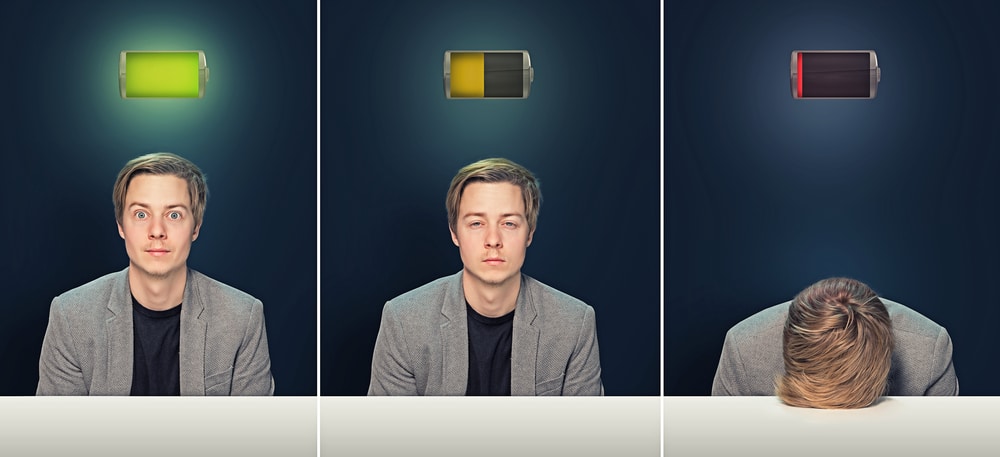
You may not remember waking up. You may not know that you snore, gasp, grind your teeth, kick your legs, or stop breathing during sleep. You may only notice the daytime effects: fatigue, poor focus, morning headaches, irritability, low motivation, or the feeling that you never wake up refreshed.
This guide will help you recognize common patterns. It is not meant to diagnose you. Instead, it can help you understand which symptoms matter, which sleep disorders may be involved, and when to ask a medical provider about sleep testing or further evaluation.
For a deeper look at one of the most commonly missed sleep-breathing conditions, read what obstructive sleep apnea is and why it matters.
Quick Answer: What Is a Sleep Disorder?
A sleep disorder is a condition that affects your ability to sleep well, breathe normally during sleep, stay awake during the day, or maintain a healthy sleep-wake rhythm. Sleep disorders may involve insomnia, disrupted breathing, excessive sleepiness, abnormal movements, jaw clenching, restless legs, dream behaviors, or problems with the body’s internal clock.
The most important point is this: different sleep disorders can create similar symptoms.
Fatigue, brain fog, morning headaches, poor concentration, and daytime sleepiness can come from more than one cause. That is why it is important not to guess. The right next step depends on the pattern.
Sleep medicine organizes sleep disorders into major categories, including insomnia disorders, sleep-related breathing disorders, central disorders of hypersomnolence, circadian rhythm sleep-wake disorders, parasomnias, sleep-related movement disorders, and other sleep disorders.
Common Signs You May Have a Sleep Disorder
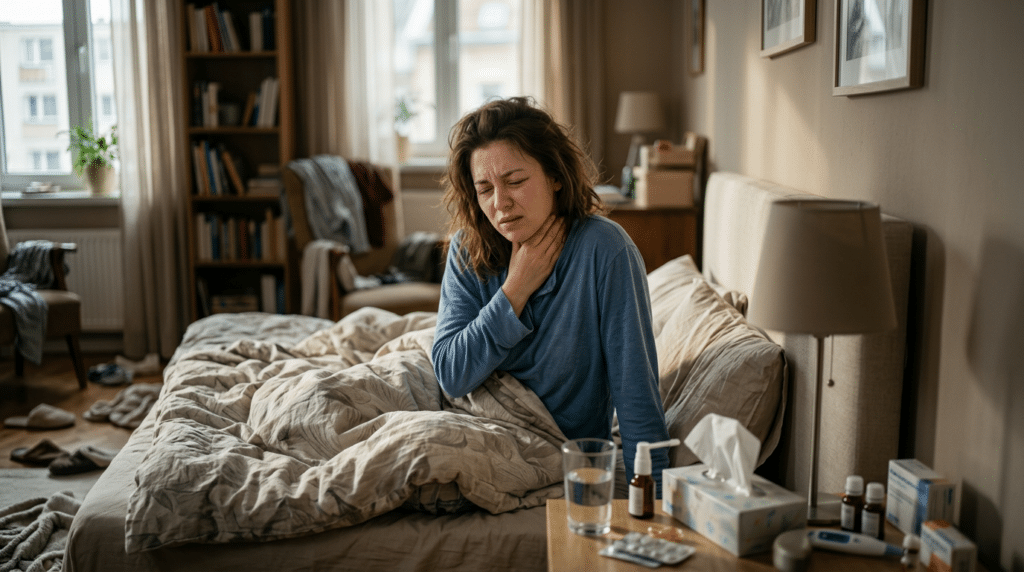
Sleep disorders can show up at night, during the day, or both. Some symptoms are obvious. Others are easy to miss because they slowly become part of your normal routine.
Breathing clues
Breathing-related symptoms are especially important because they may point toward sleep-disordered breathing, including obstructive sleep apnea or other airflow problems.
Watch for:
- loud, frequent snoring
- gasping or choking during sleep
- witnessed pauses in breathing
- waking with a dry mouth
- restless sleep
- morning headaches
- high blood pressure
- waking up tired after enough time in bed
Snoring by itself does not always mean sleep apnea. But loud snoring with gasping, breathing pauses, daytime sleepiness, morning headaches, or poor concentration deserves attention.
If snoring is part of your pattern, it may help to understand the difference between snoring and obstructive sleep apnea.
Insomnia clues
Insomnia is not only about “not sleeping.” It can involve difficulty falling asleep, staying asleep, waking too early, or feeling unable to return to sleep even when you have the opportunity.
Watch for:
- lying awake for long periods
- waking often during the night
- waking too early
- feeling anxious about sleep
- needing sleep aids repeatedly
- spending more time in bed but not sleeping better
- feeling exhausted but wired at night
Insomnia can be temporary, especially during stress or schedule disruption. But when it becomes a repeated pattern, it may need a more structured approach. Cognitive behavioral therapy for insomnia, often called CBT-I, is commonly recommended as a first-line treatment for long-term insomnia.
Movement and jaw clues
Some sleep disorders involve movement. Others involve jaw-muscle activity that may be noticed first by a dentist, a bed partner, or the person waking with pain.
Watch for:
- restless legs at night
- leg kicking during sleep
- tooth grinding
- jaw clenching
- morning jaw soreness
- temple tenderness
- tooth sensitivity
- waking with a tight or tired jaw
- headaches that seem to start near the temples or jaw
Jaw symptoms do not always mean the problem is only dental. Bruxism, sleep quality, stress, pain sensitivity, and sleep-disordered breathing may overlap in some people.
If jaw pain, tooth wear, or morning headaches are part of your pattern, read more about what bruxism is and how it can affect sleep, jaw pain, and headaches.
Daytime function clues
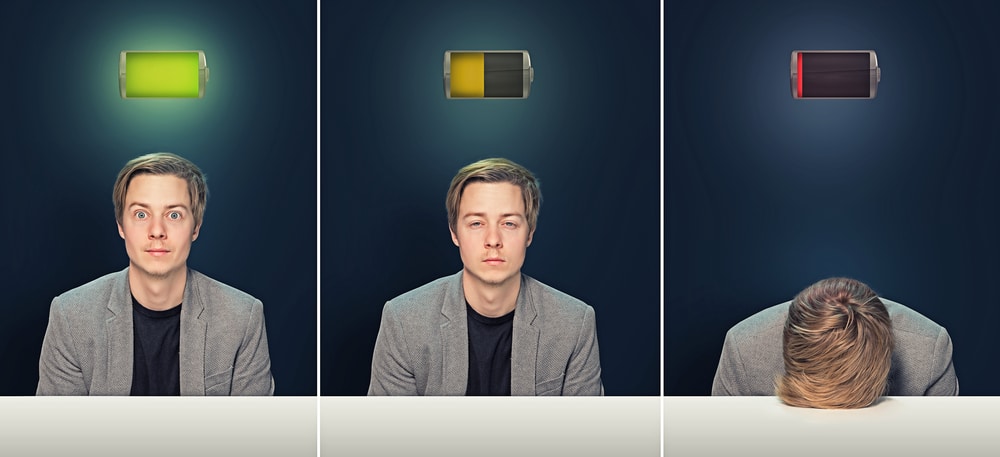
Many people do not realize they have a sleep disorder until their daytime function starts to suffer.
Watch for:
- excessive daytime sleepiness
- brain fog
- poor focus
- memory problems
- irritability
- reduced motivation
- low energy
- needing more caffeine than usual
- needing naps to get through the day
- reduced work or school performance
You can spend enough hours in bed and still have poor sleep quality. That is one reason sleep disorders are often missed.
Safety clues
Some symptoms should be taken especially seriously.
Talk with a healthcare provider promptly if you:
- feel sleepy while driving
- have almost fallen asleep at the wheel
- fall asleep during conversations, meals, or work
- wake up choking or gasping
- have a bed partner who sees you stop breathing
- act out dreams or move violently during sleep
- have sudden sleep attacks during the day
Drowsy driving is not just a sleep issue. It is a safety issue.
Why Sleep Disorders Are Often Missed
Sleep disorders are missed for a simple reason: much of the problem happens while you are asleep.
You may not know how loudly you snore. You may not remember brief awakenings. You may not realize your breathing changes during the night. You may not know that your jaw muscles are active, your legs are moving, or your body is repeatedly shifting out of deeper sleep.
Instead, you may notice the aftereffects.
You wake up tired. You drag through the morning. You feel foggy at work. You reach for caffeine. You develop headaches. Your jaw feels tight. Your mood is shorter than usual. You tell yourself you are just stressed.
That may be true, but it may not be the whole story.
A sleep disorder should be considered when symptoms repeat, affect your function, or do not improve with basic sleep habits. Good sleep is not just about the number of hours you spend in bed. It is also about breathing, timing, continuity, nervous system regulation, and the ability to move through healthy sleep stages without repeated disruption.
The Main Types of Sleep Disorders
Sleep medicine includes many conditions, but most fall into several broad categories. Understanding these categories can help you decide what kind of next step may be appropriate.
Insomnia disorders
Insomnia involves difficulty falling asleep, staying asleep, waking too early, or feeling dissatisfied with sleep despite having the chance to sleep.
Insomnia may be short-term or chronic. It can be related to stress, anxiety, pain, depression, medications, caffeine, alcohol, irregular schedules, or other medical conditions.
For chronic insomnia, treatment often focuses on retraining the sleep system rather than simply trying harder to sleep. CBT is a structured treatment designed to help people fall asleep faster and stay asleep longer.
Sleep-related breathing disorders
Sleep-related breathing disorders affect airflow, oxygen levels, breathing effort, or breathing stability during sleep.
The most familiar example is obstructive sleep apnea. In obstructive sleep apnea, the upper airway repeatedly narrows or closes during sleep. These episodes can disrupt sleep and may contribute to symptoms such as snoring, morning headaches, dry mouth, daytime fatigue, and poor concentration.
Central sleep apnea is different. It occurs when the brain does not consistently send the right signals to the breathing muscles during sleep. It is less common than obstructive sleep apnea and may be associated with medical conditions, medications, heart conditions, neurological issues, or other factors.
Because breathing disorders require proper testing, symptoms alone are not enough for diagnosis.
If your provider mentions shallow breathing events, this guide to shallow breathing during sleep and what hypopnea means can help you understand the language used in sleep testing.
Central disorders of hypersomnolence
These conditions involve excessive daytime sleepiness that is not fully explained by poor sleep habits or insufficient sleep.
Narcolepsy is one example. A person with narcolepsy may have overwhelming daytime sleepiness, sudden sleep episodes, sleep paralysis, vivid hallucinations around sleep, disrupted nighttime sleep, or cataplexy, which is sudden muscle weakness triggered by emotion in some forms of narcolepsy.
Because excessive daytime sleepiness can also occur with sleep apnea, insufficient sleep, medication effects, depression, and shift work, medical evaluation is important.
Circadian rhythm sleep-wake disorders
Your circadian rhythm is your internal body clock. It helps regulate when you feel alert and when you feel sleepy.
Circadian rhythm sleep-wake disorders happen when your internal timing does not match your required schedule or desired sleep pattern. This can happen with delayed sleep timing, advanced sleep timing, shift work, jet lag, irregular sleep schedules, or inconsistent light exposure.
A person with a circadian rhythm problem may be sleepy at the wrong time, alert at the wrong time, and frustrated that sleep does not come when expected.
Parasomnias
Parasomnias are unusual behaviors or experiences that happen while falling asleep, during sleep, or while waking up.
Examples include sleepwalking, night terrors, confusional arousals, nightmares, sleep paralysis, and REM sleep behavior disorder.
Some parasomnias are more common in children and may improve with age. Others, especially new or forceful dream-enactment behaviors in adults, should be evaluated because they may create injury risk or signal a deeper neurological issue.
Sleep-related movement disorders
Sleep-related movement disorders involve repeated movements or urges that interfere with sleep.
Examples include restless legs syndrome, periodic limb movements, and sleep bruxism.
Restless legs syndrome can create an uncomfortable urge to move the legs, usually when resting or lying down. Symptoms often become more noticeable in the evening or at night and may improve with movement.
Sleep bruxism involves repetitive jaw-muscle activity during sleep, including clenching, grinding, or jaw thrusting.
These conditions may seem unrelated, but they can all disturb sleep quality and contribute to daytime symptoms.
Sleep Apnea: The Sleep Disorder Many People Miss
Obstructive sleep apnea is one of the most important sleep disorders to recognize because many people do not know they have it.
You may sleep through the breathing disruptions. You may not remember waking up. You may only notice fatigue, headaches, dry mouth, brain fog, irritability, or high blood pressure.
A bed partner may notice the clearest warning signs first, such as loud snoring, gasping, choking, or pauses in breathing.
Obstructive sleep apnea happens when the upper airway repeatedly narrows or closes during sleep. The body continues trying to breathe, but airflow is reduced or blocked. These episodes may lower oxygen levels, fragment sleep, and activate stress responses that keep the body from resting normally.
Sleep apnea is not diagnosed by snoring alone. It requires appropriate sleep testing, such as a home sleep apnea test or an in-lab sleep study, interpreted by qualified medical professionals.
Treatment may include CPAP, oral appliance therapy for appropriate patients, positional therapy, weight management when relevant, surgery in selected cases, or treatment of contributing nasal or airway issues. NHLBI notes that oral devices may be prescribed for some people with sleep apnea, particularly when CPAP is not wanted or tolerated.
Follow-up matters because feeling better does not always prove the breathing problem has been fully controlled.
For a full explanation of symptoms, diagnosis, and next steps, read what obstructive sleep apnea is, what symptoms to watch for, and why it matters.
Bruxism, Jaw Pain, and Sleep Disruption
Bruxism is the term for repetitive jaw-muscle activity. It can include teeth grinding, jaw clenching, jaw bracing, or jaw thrusting.
There are two main patterns: awake bruxism and sleep bruxism.
Awake bruxism often happens during concentration, stress, driving, computer work, emotional tension, or focused tasks. It may feel like silent clenching or holding the jaw in a tense position.
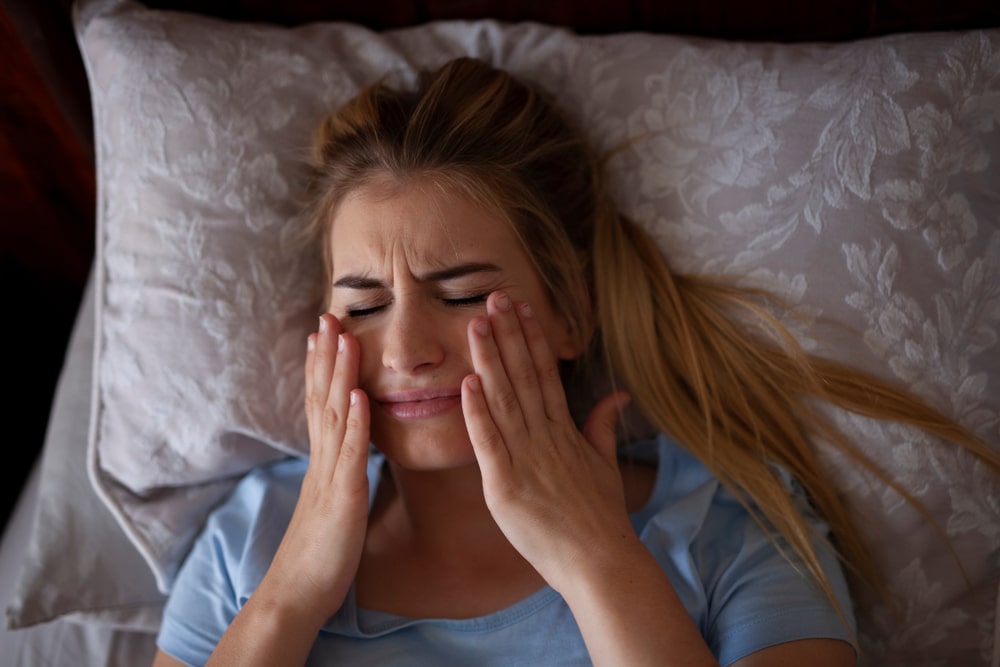
Sleep bruxism happens during sleep. It may involve grinding sounds, tooth wear, morning jaw soreness, headaches, facial pain, or a tired feeling in the chewing muscles.
A night guard may help protect teeth from damage, but it does not necessarily stop the jaw-muscle activity. That distinction matters. Protection and behavior change are not the same thing.
Bruxism may also overlap with poor sleep, stress, pain sensitivity, medications, alcohol use, or sleep-disordered breathing in some people. That does not mean every person who clenches or grinds has sleep apnea. It means persistent jaw symptoms should be viewed as part of a broader pattern, especially when they appear with morning headaches, snoring, fatigue, or unrefreshing sleep.
To explore this topic more deeply, read bruxism symptoms, causes, treatments, and how to stop teeth grinding.
If your symptoms include jaw soreness, tooth wear, or headaches, this article explains how bruxism can cause jaw pain, headaches, and tooth damage.
Morning Headaches, Brain Fog, and Daytime Fatigue
Morning headaches, brain fog, and daytime fatigue are not specific to one sleep disorder. That is why they can be frustrating.
A morning headache may be related to jaw clenching, sleep apnea, poor sleep quality, medication effects, dehydration, migraine, neck tension, or another condition. Brain fog may follow fragmented sleep, insomnia, breathing disruption, circadian rhythm problems, or insufficient sleep. Daytime fatigue may come from sleep disorders, medical conditions, mood disorders, medication effects, or a combination of factors.
The pattern matters.
A morning headache with jaw soreness may point toward bruxism or TMD involvement. A morning headache with loud snoring, dry mouth, and daytime sleepiness may raise concern for sleep-disordered breathing. Facial pain near the temples, jaw, ears, or cheeks may involve jaw muscles, nerves, dental issues, migraine, or more than one factor at the same time.
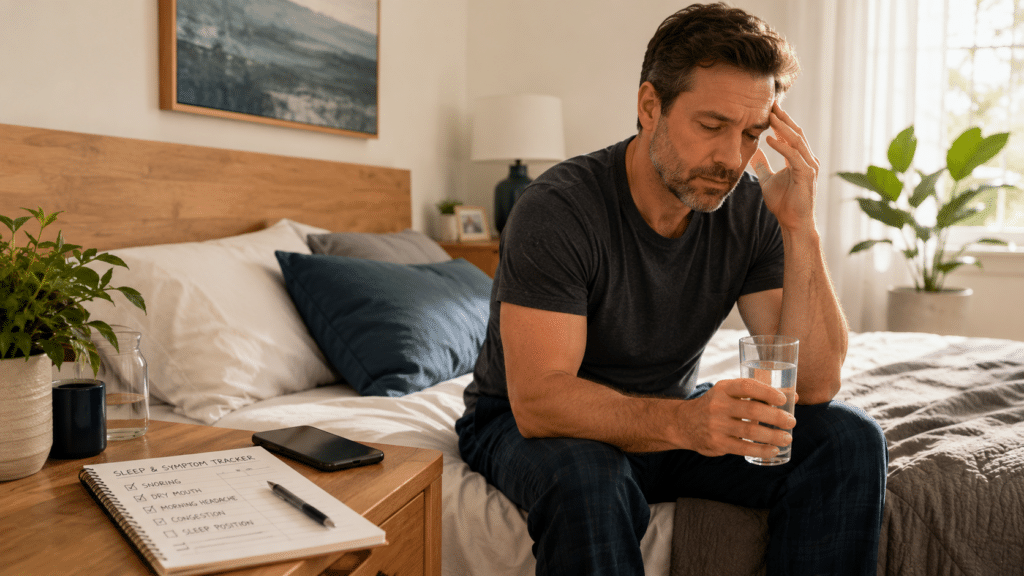
This is where tracking symptoms can help. Write down when the headache happens, where it is located, what your sleep was like, whether you woke with dry mouth, whether your jaw feels tight, and whether anyone has noticed snoring or breathing changes.
If pain is part of your sleep pattern, review this guide to headache and facial pain causes, symptoms, and treatment options.
You can also explore how TMJ, bruxism, and headaches may overlap in people who wake with jaw tension or temple pain.
How Sleep Disorders Are Evaluated
A good sleep evaluation starts with the pattern.
A healthcare provider may ask about:
- your usual bedtime and wake time
- how long it takes to fall asleep
- how often you wake up
- whether you snore
- whether anyone has seen you stop breathing
- whether you wake gasping or choking
- whether you wake with headaches
- whether you feel sleepy during the day
- whether you have jaw pain or tooth grinding
- whether your legs feel restless at night
- whether you act out dreams
- whether you work shifts
- whether you use caffeine, alcohol, nicotine, or sleep aids
- whether medications may affect your sleep
- whether you have pain, anxiety, depression, reflux, asthma, COPD, or other medical conditions
A sleep diary may help reveal patterns. A bed partner’s observations can be very useful. In some cases, questionnaires may help identify sleepiness, insomnia severity, or sleep apnea risk.
If sleep-disordered breathing is suspected, sleep testing may be recommended. This may involve a home sleep apnea test or an in-lab polysomnogram. The correct test depends on your symptoms, medical history, and what the provider is trying to evaluate.
When a Sleep Study May Be Needed
A sleep study may be recommended when symptoms suggest a sleep-related breathing disorder, unexplained daytime sleepiness, abnormal movements, or other sleep problems that cannot be explained by history alone.
A home sleep apnea test may be used in selected patients when obstructive sleep apnea is suspected. It usually measures breathing-related signals, but it does not capture every sleep disorder.
An in-lab sleep study, also called polysomnography, can measure more information. Depending on the setup, it may monitor brain waves, sleep stages, breathing, oxygen levels, heart rhythm, respiratory effort, body position, limb movements, and other signals.
This matters because not every sleep problem can be diagnosed with the same test.
A home sleep apnea test may help identify obstructive sleep apnea in the right patient, but it is not designed to diagnose every sleep disorder. Pulse oximetry can provide useful oxygen information, but oxygen saturation alone does not diagnose sleep apnea because it does not measure airflow, respiratory effort, sleep stages, or enough information to classify breathing events by itself.
For a deeper explanation, read why pulse oximetry alone cannot diagnose sleep apnea.
What Treatment May Involve
Treatment depends on the diagnosis.
That is why it is risky to treat every sleep problem the same way. A person with chronic insomnia may need a different approach than someone with obstructive sleep apnea. A person with restless legs syndrome may need a different evaluation than someone with jaw clenching. A person with circadian rhythm disruption may need timing changes, not just more time in bed.
Sleep disorder treatment may include:
- improving sleep schedule consistency
- reducing caffeine, alcohol, or late-night screen exposure
- cognitive behavioral therapy for insomnia
- CPAP or other positive airway pressure therapy
- oral appliance therapy for selected sleep apnea patients
- positional therapy
- medication when appropriate
- iron evaluation or treatment for restless legs symptoms
- management of pain, reflux, anxiety, depression, asthma, COPD, or other contributing conditions
- dental protection for tooth damage
- jaw relaxation, awareness training, or behavioral strategies for awake clenching
- follow-up sleep testing when needed to verify treatment results
The goal is not just to sleep longer. The goal is to sleep better, breathe better, function better, and treat the correct problem.
When to Talk to a Doctor
You should talk with a medical provider if sleep problems are frequent, worsening, or interfering with your daily life.
Consider asking for help if you have:
- loud, frequent snoring
- gasping or choking during sleep
- witnessed pauses in breathing
- morning headaches
- excessive daytime sleepiness
- drowsy driving
- trouble falling or staying asleep for several weeks
- restless legs that delay sleep
- sudden sleep attacks
- repeated jaw pain or tooth grinding
- waking with a tight or tired jaw
- brain fog that affects work or daily life
- high blood pressure with poor sleep
- acting out dreams
- unusual movements during sleep
- poor sleep despite enough hours in bed
Do not wait until symptoms become severe. Sleep problems often build slowly. The sooner the pattern is recognized, the easier it may be to choose the right next step.
What to Track Before Your Appointment
You can make your appointment more useful by tracking your symptoms for one to two weeks.
Write down:
- what time you go to bed
- what time you wake up
- how long you think it takes to fall asleep
- how many times you wake up
- whether you wake with headaches
- whether your jaw feels tight or sore
- whether you wake with dry mouth
- whether you feel sleepy during the day
- whether you nap
- caffeine and alcohol timing
- medications or supplements
- stress level
- exercise
- bed partner observations
- snoring, gasping, or breathing pauses if noticed
You do not need perfect data. You need a pattern. A simple symptom record can help your provider decide whether insomnia treatment, sleep testing, dental evaluation, or another pathway makes sense.
Medical Note
This article is for educational purposes only and does not diagnose or treat sleep disorders. If you have loud snoring, gasping during sleep, witnessed breathing pauses, excessive daytime sleepiness, drowsy driving, sudden sleep attacks, persistent insomnia, or symptoms that interfere with daily life, speak with a qualified healthcare provider.
Bottom Line
Sleep disorders are common, but they are not all the same.
Snoring, insomnia, jaw clenching, morning headaches, brain fog, restless legs, and daytime fatigue can all point to different problems. Sometimes more than one issue is present at the same time.
The key is to stop treating poor sleep as a vague complaint and start looking for the pattern.
If you wake up tired, snore loudly, gasp during sleep, feel sleepy during the day, wake with headaches, grind your teeth, or struggle with brain fog, it may be time to ask a medical provider what your sleep is trying to tell you.
You do not need to diagnose yourself. You need to notice the clues, track the pattern, and take the next step toward the right evaluation.
Better sleep begins with better understanding.
Frequently Asked Questions
What are the most common signs of a sleep disorder?
Common signs of a sleep disorder include trouble falling asleep, waking often, loud snoring, gasping during sleep, morning headaches, dry mouth, daytime sleepiness, brain fog, restless legs, jaw clenching, tooth grinding, and waking unrefreshed. A sleep disorder is more likely when symptoms happen repeatedly or interfere with daily life.
Can you have a sleep disorder even if you sleep 7 or 8 hours?
Yes. Time in bed is not the same as sleep quality. You may spend 7 or 8 hours in bed but still have fragmented sleep, breathing disruptions, jaw-muscle activity, restless legs, or poor sleep timing. If you wake tired despite enough time in bed, the quality of your sleep may need attention.
Is snoring always a sleep disorder?
No. Snoring does not always mean you have a sleep disorder. However, loud, frequent snoring can be a warning sign, especially if it happens with gasping, choking, witnessed breathing pauses, morning headaches, dry mouth, high blood pressure, or daytime sleepiness.
When should I ask about a sleep study?
Ask about a sleep study if you snore loudly, gasp during sleep, stop breathing during sleep, wake with morning headaches, feel excessively sleepy during the day, or wake unrefreshed despite enough sleep. A sleep study may also be considered when sleep symptoms remain unexplained after a medical review.
Can sleep disorders cause morning headaches?
Yes. Morning headaches can be associated with poor sleep, sleep apnea, sleep fragmentation, jaw clenching, teeth grinding, neck tension, migraine, medication effects, or other conditions. Morning headaches are especially important when they happen with snoring, dry mouth, fatigue, or jaw soreness.
Can sleep disorders cause brain fog?
Yes. Sleep disorders can contribute to brain fog by disrupting sleep quality, reducing deep sleep, fragmenting sleep, affecting oxygen levels, or interfering with the body’s normal sleep-wake rhythm. Brain fog can also have non-sleep causes, so persistent symptoms should be discussed with a healthcare provider.
Can teeth grinding be related to poor sleep?
Yes. Sleep bruxism can occur during sleep and may be associated with arousals, stress physiology, pain, medications, alcohol, or sleep-disordered breathing in some people. Teeth grinding can also cause jaw pain, tooth wear, headaches, and morning facial soreness.
What is the difference between insomnia and sleep apnea?
Insomnia involves trouble falling asleep, staying asleep, waking too early, or feeling unable to sleep well. Sleep apnea involves repeated breathing disruptions during sleep. A person can have one or both. Because the causes and treatments are different, the right diagnosis matters.
Can a home sleep test diagnose every sleep disorder?
No. A home sleep apnea test is mainly used to evaluate suspected obstructive sleep apnea in selected patients. It does not diagnose every sleep disorder. Some symptoms may require an in-lab sleep study or a different type of medical evaluation.
What should I track before talking to a doctor?
Track your bedtime, wake time, awakenings, daytime sleepiness, naps, caffeine, alcohol, morning headaches, jaw pain, snoring, gasping, dry mouth, and bed partner observations. This information can help your provider understand the pattern and decide whether sleep testing or another evaluation is needed.
References
- American Academy of Sleep Medicine. International Classification of Sleep Disorders, Third Edition. The ICSD-3 organizes sleep disorders into major clinical categories including insomnia disorders, sleep-related breathing disorders, central disorders of hypersomnolence, circadian rhythm sleep-wake disorders, parasomnias, and sleep-related movement disorders.
- National Heart, Lung, and Blood Institute. Insomnia: Treatment. NHLBI describes CBT-I as a structured treatment that helps people fall asleep faster and stay asleep longer and notes that it is usually recommended first for long-term insomnia.
- National Heart, Lung, and Blood Institute. Sleep Apnea: Treatment. NHLBI describes CPAP and oral devices as treatment options for sleep apnea in appropriate patients.
- Restless Legs Syndrome clinical overview. RLS symptoms often worsen during rest or inactivity, especially in the evening or night, and may improve temporarily with movement.

Randy Clare is a writer, educator, and health communicator focused on making complex clinical topics easier to understand. He is the author of The Brux Method, host of The Clenching Chronicle Podcast, and a contributor to ClenchAlert. He previously served as Director of Digital Marketing at Glidewell Dental, is President of Hawkeye Group, and co-founded the American Sleep and Breathing Academy.