

Last updated on April 28th, 2026 at 12:52 pm
Medically responsible content note:
This article is for education only and does not diagnose or treat medical, dental, or sleep conditions. Bruxism, jaw pain, headaches, snoring, breathing pauses, and respiratory symptoms can have multiple causes. Seek care from a qualified medical, dental, sleep, or orofacial pain professional when symptoms are persistent, worsening, severe, or disruptive.
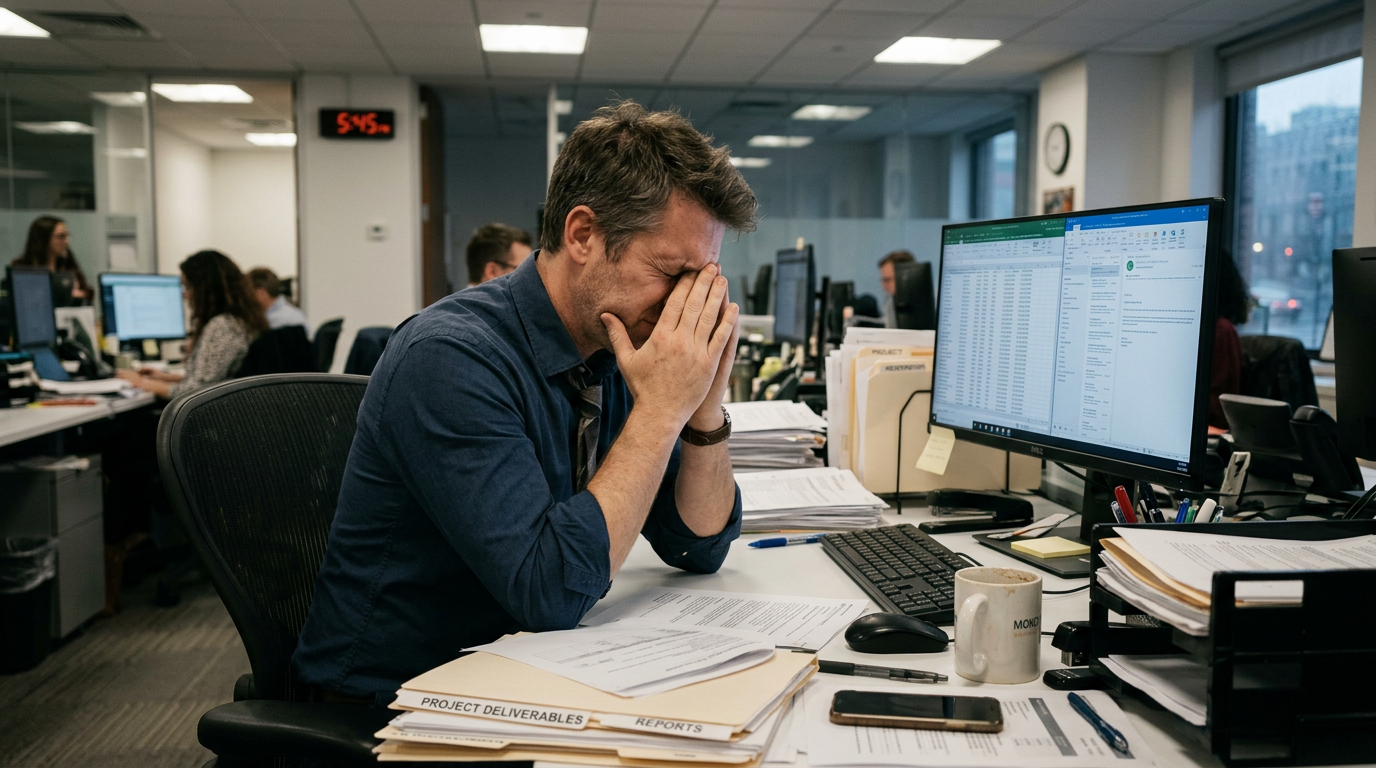
Stress jaw is what many people call the tight, clenched, tooth-contact feeling that shows up during anxiety, pressure, focus, or emotional strain.
Stress does not always stay in your thoughts. Sometimes it shows up in your shoulders. Sometimes it changes your breathing. Sometimes it tightens your stomach. And for many people, stress shows up in the jaw.
Stress jaw is not a formal diagnosis. It is a simple way to describe a common pattern: your teeth touch, your jaw tightens, your face feels tense, and you may clench without realizing it. This can happen while you work, drive, concentrate, scroll your phone, hold back emotion, or move through a stressful day.
Many people with stress jaw do not think of themselves as “teeth grinders.” They may not hear grinding sounds at night. They may not wake up with obvious tooth pain. Instead, they notice jaw tightness, temple pressure, facial soreness, tooth sensitivity, or the feeling that their mouth is always braced.
One of the most important things to understand is this: your teeth are not supposed to stay together all day. In a relaxed resting position, your lips may be gently together, but your teeth should usually be slightly apart.
The goal is not to blame every jaw symptom on anxiety. Jaw pain, ear symptoms, headaches, tooth damage, limited jaw opening, and persistent facial pain should be evaluated by a qualified medical or dental professional.
But if your jaw tightens when life gets tense, your body may be showing you a pattern. Once you can see that pattern, you can begin to interrupt it.
If your stress jaw feels different during the day than it does in the morning, Awake Bruxism vs Sleep Bruxism: Why the Difference Matters can help you understand why daytime clenching and nighttime grinding may need different strategies.
What Is Stress Jaw?
Stress jaw is jaw tension, tooth contact, clenching, or facial muscle tightness that appears during stress, anxiety, focus, or emotional pressure. It is not a formal diagnosis, but it can describe a common pattern where the nervous system uses the jaw as a bracing point.
It may feel like:
- Your teeth are touching when you are not eating.
- Your jaw feels tight during work or after difficult conversations.
- Your face feels tense around the cheeks, temples, or jawline.
- Your jaw feels “locked,” “held,” or “braced.”
- You clench while reading emails, driving, concentrating, or scrolling.
- Your temples feel sore or tired.
- Your neck and shoulders tighten along with your jaw.
The phrase is useful because it is simple. Many people do not know the word bruxism, but they immediately understand what it means to hold stress in the jaw.
Clinically, some stress jaw behaviors may overlap with awake bruxism. An international consensus paper describes awake bruxism as jaw muscle activity during wakefulness that may involve repeated or sustained tooth contact, bracing, or thrusting of the jaw. Sleep bruxism is classified separately because it happens during sleep and may follow a different pattern.¹
In plain language: you may be using your jaw as a place to hold tension.
Jaw Clenching Anxiety: Why Stress Can Make Your Jaw Tighten
Anxiety is not only a mental experience. It is also a body experience.
When your nervous system senses pressure, uncertainty, conflict, urgency, or threat, your body may prepare for action. Your breathing may become shallow. Your shoulders may creep upward. Your hands may grip. Your tongue may press to the roof of your mouth. Your molars may meet before you even notice.
For some people, the jaw becomes a pressure gauge for the nervous system.
You may be calm enough to answer the email, but your jaw is acting like the conversation is a threat.
This pattern is sometimes described as jaw clenching anxiety or anxiety jaw tension. Those phrases are not diagnoses, but they describe something many people recognize: the body is carrying emotional pressure through the face, jaw, teeth, and neck.
That does not mean anxiety is the only cause of jaw tension. Bruxism and jaw pain can have several contributing factors. Mayo Clinic lists stress, anxiety, anger, frustration, and tension among factors associated with awake bruxism, while also noting that bruxism can involve other factors.²
Temporomandibular disorders are also complex. The National Institute of Dental and Craniofacial Research describes TMDs as a group of more than 30 conditions that can affect the jaw joint and the muscles that control jaw movement.³
Still, many people recognize the pattern quickly:
You open a difficult email, and your teeth come together.
You sit in traffic, and your jaw locks.
You try to focus, and your face tightens.
You hold back what you want to say, and your mouth becomes the place where the emotion goes.
That is stress jaw.
Stress Jaw Clenching Often Happens During the Day
Many people think bruxism only happens at night. They picture someone grinding their teeth during sleep.
But stress jaw clenching often happens while you are awake.
This is important because daytime clenching can be easy to miss. You are conscious, but you are not necessarily aware of what your jaw is doing.
Common daytime triggers include:
- Answering stressful emails
- Working at a computer
- Driving in traffic
- Concentrating deeply
- Holding back emotion
- Multitasking
- Scrolling news or social media
- Rushing through the day
- Sitting with poor posture
- Feeling watched, judged, pressured, or overloaded
Awake clenching is often not a decision. It is a background habit. Your attention is on the task, the deadline, the conversation, or the stressor. Meanwhile, your jaw tightens without asking permission.
This is why awareness matters. You cannot relax a jaw position you do not notice.
If you clench during work, driving, or concentration, Why You Clench Your Jaw While Working, Driving, or Concentrating explains why focus clenching can become a daily jaw pain habit.
Your Teeth Should Not Stay Together All Day
One of the most useful facts for stress jaw is also one of the simplest:
Your teeth should not stay together all day.
At rest, a relaxed jaw position usually looks like this:
- Lips gently together
- Teeth slightly apart
- Tongue resting lightly on the palate
- Jaw muscles relaxed
- Shoulders down
- Breathing calm and easy
The cue many people use is: lips together, teeth apart.
This does not mean you should force your jaw open or hold your tongue rigidly. The goal is softness, not another posture rule to tense around.
Stress jaw often pulls you out of that rest position. Instead of floating slightly open inside the mouth, the teeth touch. Instead of the muscles resting, they stay active. Instead of the face softening, it braces.
A muscle that never gets a break eventually complains.
Over time, tooth contact can become your default. You may begin to feel strange when your teeth are apart, even though that small space is part of a relaxed resting jaw position for many people.
That is why clenchers often need to relearn rest.
For a deeper guide to this habit, read Teeth Apart: The Resting Jaw Position Most Clenchers Need to Relearn.
Quick Self-Check: Is Your Jaw Holding Stress?
Pause for ten seconds and ask yourself:
- Are my teeth touching right now?
- Is my tongue pressing against my teeth or palate?
- Are my shoulders raised?
- Am I holding my breath?
- Are my hands clenched?
- Does my jaw tighten during emails, traffic, screens, or conflict?
- Do I notice jaw pain from stress at the end of the day?
- Do I feel a tight jaw when anxiety rises?
If you answered yes to several of these, stress jaw may be part of your symptom pattern.
This quick check is not a diagnosis. It is an awareness tool. The first step is simply noticing what your jaw is doing when your mind is busy somewhere else.
Signs You May Have Stress Jaw
Stress jaw can be subtle. You may not notice it until symptoms build.
During the Day
You may notice:
- Your teeth touching when you are stressed
- Jaw tightness during work
- Clenching when concentrating
- Facial tension during difficult conversations
- Tongue pressing or jaw bracing while scrolling
- Tightness while driving
- Clenching teeth when stressed, rushed, or overloaded
Pain and Tension Patterns
You may also feel:
- Sore temples
- Cheek or jawline fatigue
- Neck and shoulder tension
- Tooth sensitivity
- Ear-area pressure
- Morning or end-of-day jaw soreness
- Jaw pain from stress after a difficult day
Dental Clues
Your dentist may notice:
- Tooth wear
- Cracked or chipped teeth
- Gumline sensitivity
- Signs of heavy clenching
- A mouthguard that shows wear even though your jaw still feels tense
These signs do not prove one diagnosis. They are clues.
The pattern matters. When does the tightness appear? What were you doing? What were you feeling? Were your teeth touching? Were your shoulders raised? Were you breathing shallowly? Did the pain show up in your jaw, temples, neck, teeth, or ears?
Stress jaw becomes easier to change when it becomes easier to see.
Why Stress Jaw Can Lead to Jaw Pain, Headaches, and Facial Tension
Your jaw muscles are strong. They are built to help you chew, speak, swallow, and move the jaw. They are not meant to stay lightly or strongly clenched for hours.
When the jaw muscles remain active too long, they may become fatigued, sore, or sensitive. Repeated clenching may also load the teeth and jaw joints.
Stress jaw may be associated with:
- Jaw fatigue
- Facial soreness
- Tooth sensitivity
- Temple headaches
- Ear pressure sensations
- Neck tension
- Chewing discomfort
- Morning jaw pain
- End-of-day jaw tightness
TMDs commonly involve the jaw joint and surrounding muscles. Common symptoms can include jaw pain or dysfunction, earache, headache, and facial pain.⁴ NIDCR also lists symptoms such as chewing muscle or jaw joint pain, pain that spreads to the face or neck, jaw stiffness, limited jaw movement, and painful jaw joint sounds.³
This does not mean every headache, ear symptom, or facial pain episode comes from the jaw. Ear pain should be medically evaluated. Frequent headaches should be discussed with a clinician. New, severe, or changing symptoms need professional attention.
But jaw clenching can be part of the pattern, especially when symptoms rise during stress or improve when the jaw relaxes.
If your jaw tension is linked with temple pain, Jaw Clenching and Temple Headaches: How the Muscles Connect explains how jaw muscles may contribute to temple discomfort.
If you feel ear pressure or earache with jaw tension, Can Bruxism Cause Ear Pain or Ear Pressure? explains why jaw-related ear symptoms should be taken seriously but not automatically assumed to be dental.
Stress and Bruxism: How Stress Jaw Fits the Bigger Picture
Stress jaw may overlap with bruxism, especially awake bruxism.
Bruxism is not just “grinding your teeth at night.” Current consensus separates sleep bruxism and awake bruxism because they happen in different states and may need different management strategies. Awake bruxism may involve tooth contact, clenching, bracing, or jaw thrusting while awake. Sleep bruxism happens during sleep and may involve rhythmic or non-rhythmic jaw muscle activity.¹
That distinction matters.
If your main pattern is awake clenching, you may need awareness training, trigger recognition, jaw relaxation practice, and behavior change.
If your main pattern is sleep bruxism, you may need a different evaluation that considers sleep quality, arousals, airway concerns, medications, alcohol, caffeine, stress, and other factors.
Many people have both.
The relationship between stress and bruxism is important, but it should not be oversimplified. Stress and anxiety can increase jaw tension, but they do not explain every case of bruxism. Bruxism can involve habits, sleep physiology, airway issues, medications, pain, alcohol, caffeine, neurological factors, and other medical or dental considerations.²
So the best question is not simply, “Is this stress?”
A better question is:
When does my jaw tighten, and what else is happening in my body at the same time?
The Stress Jaw Habit Loop
Stress jaw can become automatic because it often follows a habit loop.
The loop may look like this:
- Trigger: Stress, anxiety, focus, conflict, screen time, traffic, fatigue, or a deadline.
- Response: The jaw tightens, the teeth touch, the tongue presses, or the face braces.
- Short-term effect: The body feels focused, guarded, contained, or ready.
- Repetition: The nervous system learns the pattern.
- Result: Clenching becomes automatic.
This is why willpower alone often fails. You can tell yourself, “Stop clenching,” and then catch yourself doing it again ten minutes later.
That does not mean you failed. It means the behavior is running below awareness.
A more useful loop looks like this:
- Notice the trigger.
- Feel the jaw tighten.
- Pause.
- Exhale.
- Let the teeth separate.
- Repeat often enough that the nervous system learns a new response.
This is where awareness tools can help. In the BRUX Method, the first step is to build awareness before trying to change the response. A biofeedback tool such as ClenchAlert can support that first step by helping some users notice tooth contact in real time during awake clenching patterns.
This should be viewed as awareness training, not as a cure for every form of bruxism or jaw pain.
Stress jaw improves when the brain gets more chances to notice the pattern and choose a different response.
How to Relax Your Jaw From Stress
To relax your jaw from stress, first notice whether your teeth are touching. Then exhale slowly, drop your shoulders, soften your tongue, and let your teeth separate. Use the cue “lips together, teeth apart” several times a day, especially during work, driving, scrolling, or stressful conversations.
The goal is not to relax perfectly. The goal is to interrupt the pattern more often.
If you are searching for how to relax your jaw from stress, start with awareness before stretching, forcing, or overcorrecting the jaw.
1. Use the “Lips Together, Teeth Apart” Cue
Several times a day, pause and ask:
Are my teeth touching?
If they are, soften your face. Let the teeth separate. Keep the lips gentle. Rest the tongue lightly on the palate. Let the jaw feel heavy instead of held.
Do not force your mouth open. Think of creating a small, relaxed space between the upper and lower teeth.
2. Pair Jaw Checks With Existing Habits
Do not rely on memory alone. Attach jaw checks to things you already do.
Try checking your jaw when you:
- Open your laptop
- Pick up your phone
- Stop at a red light
- Start a meeting
- Read an email
- Make coffee
- Walk through a doorway
- Sit down at your desk
This is habit stacking. You are using an existing routine as a reminder to build a new one.
3. Relax the Shoulders First
The jaw often follows the shoulders.
Try this:
Drop your shoulders. Exhale slowly. Unclench your hands. Let your tongue soften. Let your teeth separate.
Many people try to relax the jaw directly, but the rest of the body is still braced. Start with the shoulders and breath, then invite the jaw to follow.
4. Try a 10-Second Jaw Reset
Use this reset when you catch yourself clenching:
- Inhale gently through your nose.
- Exhale slowly.
- Drop your shoulders.
- Let your hands soften.
- Rest your tongue lightly on the palate.
- Let your teeth separate.
- Keep your lips gentle.
- Notice the difference.
This is not a cure. It is a repetition. Repetition teaches the nervous system that another response is possible.
5. Notice Your Trigger Pattern
Ask yourself:
- Do I clench during emails?
- Do I clench while driving?
- Do I clench when I concentrate?
- Do I clench when I am angry but quiet?
- Do I clench when I scroll my phone?
- Do I clench when I am tired?
- Do I clench when I feel rushed?
The more specific you are, the more useful the pattern becomes.
“Stress makes me clench” is a start.
“I clench when I read work emails after 8 p.m.” is more actionable.
6. Reduce Repetitive Jaw Loading
If your jaw is already sore, reduce extra strain where you can.
That may mean limiting:
- Gum chewing
- Pen biting
- Nail biting
- Chewy foods during flare-ups
- Resting your chin on your hand
- Holding the phone between your shoulder and jaw
- Unnecessary tooth contact
These small changes do not solve every jaw problem, but they reduce the total load on irritated muscles and joints.
7. Avoid Turning Relaxation Into Another Tension Habit
Do not aggressively stretch a painful jaw.
Do not force the teeth apart with tension.
Do not hold your tongue in a rigid “perfect” position.
Do not assume a mouthguard alone will change daytime clenching.
Do not ignore persistent pain.
The goal is a softer jaw, not a new rule that makes you more tense.
What This Symptom Pattern May Mean
Stress jaw may mean your nervous system is using the jaw as a bracing point.
The timing of your symptoms can give you useful clues:
- Worse during work, driving, screens, or conflict: Awake clenching may be a major part of the pattern.
- Worse in the morning: Sleep bruxism, sleep quality, airway issues, or nighttime muscle activity may need more attention.
- Worse by evening: Daytime bracing may be building through the day.
- Tooth wear or cracked teeth: Dental protection may be needed.
- Snoring, gasping, morning headaches, or daytime fatigue: Sleep evaluation may be worth discussing with a clinician.
- Ear symptoms, frequent headaches, or facial pain: Medical or dental evaluation is important.
If your symptoms are worse in the morning, Morning Jaw Pain: Sleep Bruxism, Daytime Clenching, or Both? can help you think through whether the pattern is happening at night, during the day, or both.
Why Jaw, Head, Neck, and Sleep Symptoms Can Overlap
The jaw does not work alone.
It is connected to facial muscles, temple muscles, neck posture, breathing patterns, sleep quality, and the nervous system. That is why stress jaw can feel bigger than a dental problem.
A tight jaw may show up with temple pressure. Neck tension may travel with jaw tension. Poor sleep may make pain feel stronger. Stress may increase muscle guarding. Tooth contact may irritate already sensitive muscles.
This is why nervous system jaw tension can seem to spread. The symptom may start as tooth contact, but the pattern may involve the face, temples, neck, shoulders, sleep, and daily stress load.
TMDs are described as musculoskeletal and neuromuscular conditions involving the temporomandibular joint complex and surrounding structures.⁴ NIDCR also notes that TMDs can occur with other conditions, including migraines, back pain, sleep problems, fibromyalgia, arthritis, and irritable bowel syndrome.⁵
This overlap can be frustrating, but it can also be useful. When you track the whole pattern, you may begin to see connections that were easy to miss.
What to Track for One Week
For the next week, track your jaw without judging it.
Do not track perfectly. Track enough to see the pattern.
Use these questions:
- When do my teeth touch during the day?
- What am I doing when my jaw tightens?
- What emotion is present?
- Am I breathing through my nose or mouth?
- Are my shoulders raised?
- Is my tongue pressing?
- Are my hands clenched?
- Do I have temple pain?
- Do I feel ear pressure?
- Do I have tooth sensitivity?
- Is the pain worse in the morning or evening?
- Do screens, deadlines, traffic, or difficult conversations make it worse?
- What helps me release it?
You can write notes in your phone or on paper. Keep it simple.
The goal is to bring the pattern into awareness. If you seek care, this information can also help your dentist or clinician understand what is happening in daily life.
What May Help
Stress jaw often responds best to a layered approach.
Awareness and Habit Tools
These may include jaw checks, habit stacking, teeth-apart reminders, journaling, and biofeedback for awake clenching awareness.
Body Regulation
Breathing exercises, shoulder relaxation, stress regulation, movement breaks, and sleep routines may help reduce the background tension that feeds jaw bracing.
Dental Protection
A mouthguard may be useful when the teeth need protection. But a mouthguard does not necessarily train your nervous system to stop clenching during the day. It may protect the teeth while the habit continues.
If you wear a night guard but still wake with jaw tension or catch yourself clenching during the day, Why a Mouthguard Protects Teeth But May Not Stop Clenching explains why protection and behavior change are not the same thing.
Professional Evaluation
A dentist, physician, physical therapist, or orofacial pain specialist may help identify whether the pattern involves bruxism, TMD, tooth damage, bite-related concerns, muscle pain, sleep bruxism, airway concerns, or another medical issue.
Sleep Evaluation
If morning jaw pain appears with snoring, gasping, morning headaches, dry mouth, or daytime sleepiness, ask a qualified medical provider whether sleep-disordered breathing should be considered.
Stress jaw often needs more than protection. It needs awareness, interruption, and replacement.
When to Seek Professional Help
You should seek professional help if you have:
- Persistent jaw pain
- Tooth damage
- Cracked teeth
- Frequent headaches
- Ear pain or ear pressure
- Hearing changes
- Limited jaw opening
- Jaw locking
- Jaw clicking with pain
- Morning headaches
- Snoring, gasping, or daytime sleepiness
- New or worsening facial pain
- Pain that does not improve with conservative steps
Seek urgent medical care for sudden severe headache, facial weakness, chest pain, neurological symptoms, trauma, swelling, fever, or symptoms that feel unusual or severe.
Stress jaw is common, but you should not have to guess your way through persistent pain.
Conclusion: Stress May Show Up in Your Teeth
Stress jaw is one way the body turns pressure into posture.
You may not think of yourself as anxious. You may simply be busy, focused, responsible, tired, or under more pressure than you realize.
Then one day you notice it: your teeth are touching again.
That moment matters.
It is not a failure. It is information.
Your jaw may be showing you that your nervous system is bracing. Your teeth may be acting like a stress switch. Your face may be holding the effort of staying focused, calm, productive, or composed.
The good news is that stress jaw is often a pattern you can begin to retrain. You can learn to notice tooth contact sooner. You can practice lips together, teeth apart. You can pair jaw checks with daily routines. You can soften the shoulders, slow the breath, and release the jaw before the tension builds into pain.
You may also need support. If symptoms persist, a dentist, physician, physical therapist, or orofacial pain specialist can help you sort out whether the problem involves awake bruxism, sleep bruxism, TMD, tooth damage, headaches, airway concerns, or another condition.
To continue building the bigger picture, start with the main Bruxism and Jaw Tension guide, then explore whether your pattern looks more like awake clenching, sleep bruxism, mouthguard-related frustration, or stress-related jaw tension.
Stress may show up in your teeth, but awareness gives you a place to begin.
FAQ
What is stress jaw?
Stress jaw is a practical phrase for jaw tightness, tooth contact, clenching, or facial muscle tension that appears during stress, anxiety, focus, or emotional pressure. It is not a formal diagnosis, but it can describe a real symptom pattern. For some people, stress jaw overlaps with awake bruxism, which may involve sustained tooth contact, clenching, bracing, or jaw thrusting while awake.¹
Can anxiety cause jaw clenching?
Anxiety can contribute to muscle tension and may make some people more likely to clench, brace, or hold their teeth together. Mayo Clinic lists stress and anxiety among factors associated with bruxism.² However, jaw clenching can have several causes, including sleep-related factors, medications, habits, pain, and dental or medical conditions. Persistent symptoms should be evaluated.
Why do I clench my teeth when stressed?
Stress can activate the nervous system and prepare the body for action. For some people, that response shows up as tight shoulders, shallow breathing, facial tension, and jaw bracing. Over time, this can become an automatic habit loop: stress appears, the jaw tightens, the teeth touch, and the pattern repeats.
Why does stress go to my jaw?
Stress can create a body-wide bracing response. Your shoulders may rise, your breathing may become shallow, your hands may grip, and your jaw may tighten. For some people, the jaw becomes the place where the nervous system expresses pressure, focus, or emotional strain.
Are my teeth supposed to touch when resting?
No. During normal rest, your teeth should usually be slightly apart. Your lips may be gently together, and your tongue may rest lightly on the palate, but your jaw muscles should not be holding your teeth together all day. “Lips together, teeth apart” is a useful cue for many people who clench.
How do I relax my jaw from stress?
Start by noticing when your teeth touch. Then exhale slowly, drop your shoulders, soften your hands, rest your tongue lightly on the palate, and let your teeth separate. Repeat this several times a day, especially during common triggers such as work, driving, email, scrolling, and difficult conversations.
How do I stop clenching my teeth when stressed?
Start by catching the pattern earlier. Use reminders during emails, driving, meetings, and screen time. When you notice tooth contact, exhale, drop your shoulders, soften your tongue, and let your teeth separate. If clenching continues or causes pain, talk with a dentist or qualified clinician.
Is stress jaw the same as bruxism?
Not exactly. Stress jaw is a simple phrase for a symptom pattern. Bruxism is a broader clinical term for jaw muscle activity that can occur while awake or during sleep. Awake bruxism may include sustained tooth contact, clenching, bracing, or thrusting of the jaw.¹ Stress jaw may overlap with awake bruxism, but not every jaw symptom has the same cause.
Can stress jaw cause headaches?
Jaw clenching may contribute to muscle fatigue and temple discomfort in some people. TMDs can involve jaw pain, facial pain, headache, and earache.⁴ However, headaches can have many causes. Frequent, severe, new, or changing headaches should be evaluated by a medical professional.
Can stress jaw cause tooth pain?
Stress jaw may contribute to tooth sensitivity, soreness, or discomfort if clenching repeatedly loads the teeth. However, tooth pain can also come from cavities, cracks, gum problems, infection, sinus issues, or other dental and medical causes. Tooth pain should be evaluated by a dentist.
Can a mouthguard fix stress jaw?
A mouthguard may protect teeth from wear or damage, especially when sleep bruxism or heavy clenching is present. But a mouthguard may not stop the clenching habit itself. Stress jaw often needs awareness training, trigger recognition, relaxation practice, and sometimes professional care.
References
- Lobbezoo F, Ahlberg J, Raphael KG, et al. International consensus on the assessment of bruxism: report of a work in progress. J Oral Rehabil. 2018;45(11):837-844. doi:10.1111/joor.12663.
- Mayo Clinic. Bruxism: symptoms and causes. Mayo Foundation for Medical Education and Research. Accessed April 26, 2026. https://www.mayoclinic.org/diseases-conditions/bruxism/symptoms-causes/syc-20356095
- National Institute of Dental and Craniofacial Research. TMD (temporomandibular disorders). National Institutes of Health. Accessed April 26, 2026. https://www.nidcr.nih.gov/health-info/tmd
- Gauer RL, Semidey MJ. Diagnosis and treatment of temporomandibular disorders. Am Fam Physician.2015;91(6):378-386.
- National Institute of Dental and Craniofacial Research. Temporomandibular disorders and jaw pain. National Institutes of Health. Accessed April 26, 2026. https://www.nidcr.nih.gov/research/data-statistics/temporomandibular-disorders-jaw-pain

Randy Clare is a writer, educator, and health communicator focused on making complex clinical topics easier to understand. Through The Sleep and Respiratory Scholar, he creates clear, practical content on bruxism, headache, sleep, airway health, and respiratory symptoms. He is the author of The Brux Method, President of ClenchAlert.com and host of The Clenching Chronicle Podcast, where he explores jaw tension, clenching, headaches, and behavior-based approaches to relief. His work helps readers better understand symptoms, recognize patterns, and take more informed next steps.