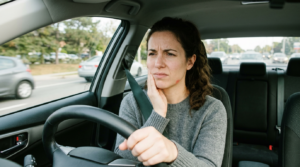
Bruxism and Jaw Tension: Why This Pattern Can Be Confusing
You will learn how bruxism and jaw tension can affect your teeth, jaw, head, face, and sleep, what symptom patterns to recognize, and what next steps may help.

You will learn how bruxism and jaw tension can affect your teeth, jaw, head, face, and sleep, what symptom patterns to recognize, and what next steps may help.

You will learn why your teeth should not stay together at rest, how the teeth apart resting jaw position works, and simple cues to help relax your jaw during the day.
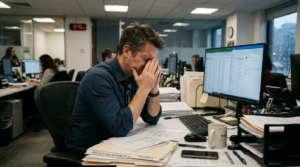
You will learn why stress and anxiety can show up as jaw tension, clenching, tooth contact, and facial tightness. You will understand how to spot stress jaw patterns, relax your jaw, and know when symptoms need professional attention.

You will learn why a mouthguard can protect your teeth even if you still clench. You will understand why night guards help reduce dental damage, why jaw pain can continue, and what additional strategies may help with daytime clenching, sleep bruxism, and jaw awareness.

You will learn the difference between awake bruxism and sleep bruxism, how to recognize daytime clenching and nighttime grinding, and why symptom timing can help you choose the right next step.

This article helps you understand how bruxism can lead to jaw pain, headaches, facial soreness, and tooth damage. You will learn how clenching and grinding strain the jaw muscles and joints and what treatment options may help reduce pain and protect your teeth.
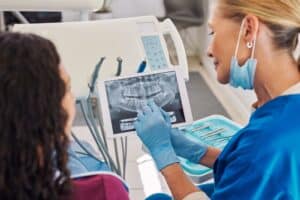
This article helps you understand how dentists diagnose bruxism and what signs they look for during an exam. You will learn how symptoms, tooth wear, jaw tension, bite changes, and patient history help identify clenching and grinding.
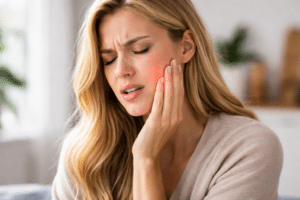
This article helps you recognize the common signs of bruxism, including symptoms that may be easy to miss at first.
You will learn the 10 symptoms dentists and patients often associate with teeth grinding and jaw clenching, including jaw pain, headaches, worn teeth, and disrupted sleep.

Learn what causes stress-related jaw clenching during the day and why it is strongly linked to awake bruxism.
You will learn how awake bruxism differs from sleep bruxism, what symptoms to watch for, and what may help you build better jaw awareness.
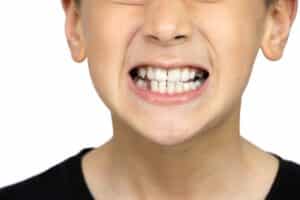
Learn why children may grind their teeth, which symptoms to watch for, and when it may be time to seek help.