

Last updated on June 15th, 2026 at 08:06 am
Medically responsible content note:
This article is for education only and does not diagnose or treat medical, dental, or sleep conditions. Bruxism, jaw pain, headaches, snoring, breathing pauses, and respiratory symptoms can have multiple causes. Seek care from a qualified medical, dental, sleep, or orofacial pain professional when symptoms are persistent, worsening, severe, or disruptive.
If your jaw tightens when you feel overwhelmed, focused, or tense, you may be dealing with more than a simple dental habit. Stress and anxiety bruxism is especially prevalent in awake bruxism, which happens during the day. Bruxism is repetitive jaw-muscle activity that includes clenching, grinding, bracing, or thrusting the jaw, and experts distinguish between awake bruxism and sleep bruxism as separate manifestations.
If your jaw tightens during work, stress, driving, or concentration, you may be dealing with more than a simple dental habit. Research on awake bruxism has found higher levels of state and trait anxiety, somatization, and neuroticism in awake bruxers compared with controls, and it also notes that patients with awake bruxism are more likely to report jaw pain or limited movement than patients with sleep bruxism.
The key point is that not all bruxism works the same way. For many readers, the real question is not just whether they grind their teeth. It is why their jaw keeps tightening during the day.
Quick Answer: Can Stress and Anxiety Cause Bruxism?
Yes. Stress and anxiety are strongly associated with awake bruxism. The link is clearer for awake bruxism than for sleep bruxism, which appears to involve a broader physiological picture.
What Is Bruxism?
Bruxism is repetitive jaw-muscle activity characterized by clenching or grinding of the teeth and/or by bracing or thrusting of the mandible. It has two distinct forms:
- Awake bruxism
- Sleep bruxism
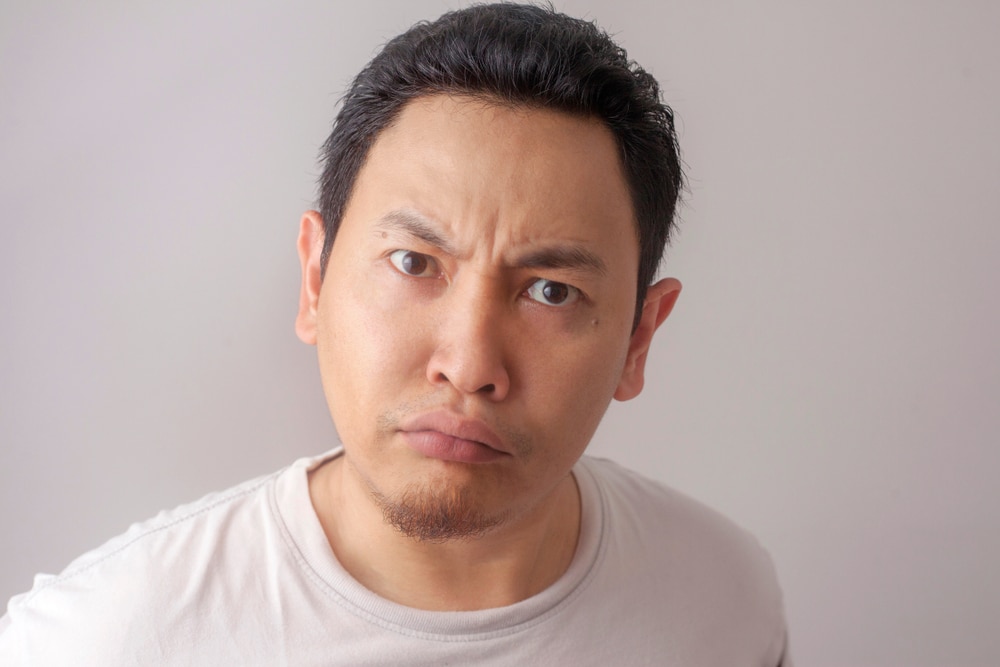
Stress and Anxiety Bruxism: Why the Daytime Pattern Matters
Among the psychological factors studied in bruxism research, anxiety is one of the most consistent findings in awake bruxism. The awake-bruxism study found significantly higher levels of trait and state anxiety, somatization, and neuroticism in the awake bruxism group, along with higher positive reappraisal as a coping strategy.
That helps explain why many people clench during:
- deadlines
- concentration
- conflict
- driving
- emotional overload
Does Anxiety Cause Jaw Clenching?
Anxiety does not explain every case of jaw clenching, but it appears to be one of the strongest contributors to awake bruxism. For some people, anxiety shows up in the jaw first. They notice:
- tight jaw muscles
- temple soreness
- facial fatigue
- limited jaw opening
- headaches that worsen during stress
Is Sleep Bruxism Also Caused by Stress?
Possibly, but the relationship is less clear. Experts distinguish sleep bruxism from awake bruxism, and the current literature is more cautious about reducing nighttime grinding to stress alone.
Can Bruxism Be a Stress Response?
Possibly. The awake-bruxism study discusses the idea that awake bruxism may play a partial psychological tension-discharge role in some people, while also noting that participants showed higher positive reappraisal.
Why the Difference Between Awake and Sleep Bruxism Matters
Patients with awake bruxism are more likely to report jaw pain and limitations of movement than patients with sleep bruxism. That is one reason it is important to separate the two patterns when thinking about symptoms and next steps.
What to Do If Stress Is Making You Clench
Start with awareness. Many people do not notice that their teeth are touching for long periods during the day.
Try this:
- notice when your teeth touch during work or stress
- check your jaw during concentration
- track temple pain and jaw tightness
- look for patterns between emotional load and clenching
- seek dental or medical evaluation if symptoms persist
Final Thoughts
Stress and anxiety appear to play an important role in bruxism, especially awake bruxism. If your jaw tightens during pressure-filled moments, the pattern may reflect more than a dental habit. It may reflect the way your body responds to stress.
Further reading on this topic:
- What is Bruxism? Teeth Grinding and Jaw Clenching Explained
- Signs of Bruxism: 10 Symptoms you should not ignore
- Bruxism Symptoms Causes Treatments and how to stop teeth grinding
- Jaw Pain and Headaches
FAQ
1. Can stress cause bruxism?
Stress can contribute to bruxism, especially awake bruxism, which happens during the day. Many people notice more jaw clenching during pressure, concentration, or emotional overload.
2. Does anxiety cause jaw clenching?
Anxiety is one of the psychological factors most often linked to awake bruxism. It may increase jaw tension, tooth contact, and daytime clenching in some people.
3. What is awake bruxism?
Awake bruxism is daytime jaw activity that may include clenching, bracing, thrusting, or keeping the teeth in repeated contact while you are awake.
4. What is the difference between awake bruxism and sleep bruxism?
Awake bruxism happens during wakefulness and is more consistently linked to stress and anxiety. Sleep bruxism happens during sleep and may involve different physiological mechanisms.
5. Why do I clench my jaw when I am stressed?
For some people, the jaw becomes part of the body’s stress response. During stressful moments, the muscles may tighten without conscious awareness, leading to clenching or bracing.
6. Can stress-related bruxism cause headaches?
It can. Daytime clenching may overload the jaw muscles and surrounding tissues, which can contribute to temple pain, facial soreness, and headache symptoms in some people.
7. Is sleep bruxism caused by anxiety too?
Possibly, but the connection is less clear than it is for awake bruxism. Sleep bruxism appears to be more complex and may not be explained by stress alone.
8. What are the symptoms of stress-related bruxism?
Common signs may include jaw tightness, tooth contact during the day, temple soreness, facial fatigue, limited jaw movement, and clenching during work or stressful situations.
9. Is jaw clenching always a bad sign?
Not always. Bruxism alone is not automatically considered a disorder in every healthy person, but it can increase the risk of pain, movement limits, and other problems when it becomes frequent or intense.
10. What should I do if stress is making me clench my jaw?
Start by building awareness. Notice whether your teeth are touching when you are not chewing or swallowing, track when clenching gets worse, and seek professional evaluation if symptoms continue.
11. Can stress cause teeth grinding?
Yes, stress may contribute to teeth grinding, but the connection is stronger and more consistent for awake bruxism than for sleep bruxism. Some people grind or clench more during periods of emotional strain or overload.
12. Does anxiety make bruxism worse?
It can. If anxiety increases muscle tension, vigilance, or stress sensitivity, bruxism symptoms may become more noticeable or frequent, especially during the day.
13. How do I stop clenching my jaw during the day?
The first step is awareness. Check whether your teeth are touching when you are not chewing or speaking, notice when stress triggers clenching, and practice relaxing the jaw during those moments.
14. Can bruxism be a coping response?
Possibly. Some researchers suggest that awake bruxism may function, in part, as a tension-regulation or stress-response behavior in certain people.
15. Why does my jaw hurt more on stressful days?
Stress may increase jaw muscle activity, especially clenching and bracing. Over time, that extra load can contribute to soreness, fatigue, limited movement, and pain that feels worse on stressful days.

Randy Clare is a writer, educator, and health communicator focused on making complex clinical topics easier to understand. He is the author of The Brux Method, host of The Clenching Chronicle Podcast, and a contributor to ClenchAlert. He previously served as Director of Digital Marketing at Glidewell Dental, is President of Hawkeye Group, and co-founded the American Sleep and Breathing Academy.