

Last updated on May 6th, 2026 at 11:53 am
Medically responsible content note:
This article is for education only and does not diagnose or treat medical, dental, or sleep conditions. Bruxism, jaw pain, headaches, snoring, breathing pauses, and respiratory symptoms can have multiple causes. Seek care from a qualified medical, dental, sleep, or orofacial pain professional when symptoms are persistent, worsening, severe, or disruptive.
Bruxism treatment depends on the pattern behind your clenching or grinding. Some people need tooth protection. Others need jaw awareness, stress-pattern training, sleep evaluation, or help from a dentist, physician, or orofacial pain specialist. A mouthguard may protect your teeth, but it may not stop the habit itself. That is why treatment should look at when the bruxism happens, what symptoms appear with it, and whether sleep, airway, stress, posture, medication, or pain may be involved. This guide explains common bruxism treatment options and how to think about the next step.
It can show up as jaw clenching during the day, morning headaches, temple pressure, sore chewing muscles, facial tension, worn teeth, cracked dental work, or a jaw that always feels a little tight. Some people wake up feeling like they spent the whole night bracing. Others catch themselves holding their teeth together while answering email, driving, lifting weights, or trying to focus. Many do not realize how often it is happening until pain, tooth damage, or fatigue starts to build.
This article is part of our larger guide to Bruxism and Jaw Tension: Why This Pattern Can Be Confusing, where we explain how headache, jaw pain, dry mouth, fatigue, breathing symptoms, and sleep quality can overlap.
Quick answer:
Bruxism treatment may include a dental mouthguard, biofeedback training, jaw relaxation, stress-pattern awareness, sleep or airway evaluation, physical therapy, medication review, or care from a dentist or orofacial pain specialist. The best option depends on whether the bruxism happens during the day, during sleep, or both.
That is one reason bruxism is so often misunderstood. It is easy to think of it as only a dental issue because the teeth and jaw are involved. But bruxism can also be linked to stress, nervous system arousal, habit loops, poor sleep, and airway problems. The jaw may be where the problem shows up first, but not always where it begins.
This matters because treatment can fall short when it focuses only on protecting the teeth. Mouthguards and splints can play an important role, especially when tooth wear or damage is already happening. But protecting the teeth is not the same as changing the pattern. You can still wake up sore. You can still clench during the day. You can still live with headaches, facial tension, and the feeling that your body is always a little braced.
A more complete approach starts with understanding what bruxism is, how it feels in daily life, what may be driving it, and what kind of help fits your pattern. For some people, that includes stress reduction, sleep support, physical therapy, or medical evaluation. For others, awareness is the missing piece. That is where biofeedback and behavior-based strategies can become especially useful.
In The BRUX Method, Randy Clare describes bruxism as a pattern that often changes only when you become aware of it, understand what triggers it, and begin replacing it with a different response. That idea matters because bruxism is often automatic. You do not sit down and choose to clench. It often happens before conscious thought catches up.
In this guide, you will learn what bruxism is, how to recognize the symptoms, what may cause it, how it is diagnosed, what treatments are available, and how awareness-based tools such as biofeedback and ClenchAlert may fit into a broader plan to reduce jaw clenching and teeth grinding.
Bruxism Treatment Options: What Helps and When
Bruxism is a condition that involves grinding the teeth, or clenching, thrusting and bracing the jaw. It can happen during sleep or while awake. For some people, it creates obvious wear on the teeth. For others, it shows up more as muscle tension, headaches, facial pain, or jaw fatigue.
At its simplest, bruxism is excess jaw muscle activity. That activity may happen in different ways and for different reasons. Sometimes it appears during sleep in connection with nighttime arousals or breathing-related sleep disruption. Sometimes it shows up during the day as a stress response, concentration habit, or tension pattern. Some people mainly grind. Some mainly clench. Many do both.
Teeth grinding vs jaw clenching
People often use these terms as if they mean the same thing, but they are not exactly identical.
Grinding usually involves movement. The teeth rub against each other, often side to side or front to back. Over time, this can flatten tooth surfaces, wear down enamel, and create visible damage.
Clenching usually involves pressure without much movement. The teeth may be pressed together, or the jaw muscles may stay tight even when the teeth are barely touching. Clenching may not leave obvious wear at first, but it can still overload the muscles, irritate the jaw joints, and contribute to headaches and facial pain.
Some people do one. Some do both. And because clenching can be quiet and hidden, it often goes unnoticed longer.
Awake bruxism vs sleep bruxism
Awake bruxism happens during the day. It often shows up during stress, deep concentration, emotional bracing, driving, screen time, or repetitive task work. A person may catch themselves pressing the teeth together, hardening the jaw, or holding tension in the face without realizing how long it has been happening.
Sleep bruxism happens during sleep. A partner may hear grinding noises, or the person may wake up with jaw soreness, temple pressure, facial fatigue, or the sense that sleep was not restorative. In some cases, sleep bruxism overlaps with sleep fragmentation or airway-related issues.
The difference matters because treatment may differ depending on the pattern. A person who clenches all day while working may benefit from awareness-based behavior tools. A person whose bruxism is tied to snoring, poor sleep, or nighttime arousals may need a broader sleep and airway evaluation.
Why many people do not know they are doing it
Bruxism often lives below awareness. That is true at night, when you are asleep, but it is also true during the day. The jaw can become part of your body’s default bracing pattern. It may feel normal to keep the teeth close together. It may feel normal to harden the face while focusing. It may feel normal to wake up with tightness and dismiss it.
That lack of awareness is one of the biggest reasons bruxism persists. You cannot interrupt a pattern you do not notice.
Common Signs and Symptoms of Bruxism
Bruxism can look different from person to person. Some people first notice tooth wear. Others notice pain. Some feel it most in the jaw. Others feel it in the temples, face, neck, or as a deep sense of morning tension.
Jaw pain, tightness, and muscle fatigue
One of the most common symptoms is a tired, tight, or sore jaw. This may feel worse in the morning if bruxism happens at night, or later in the day if you tend to clench during work or stress. The jaw may feel heavy, stiff, or irritated after chewing.
Morning headaches and temple pressure
Many people with bruxism wake up with headaches that feel like pressure in the temples or tension along the sides of the head. These headaches may fade as the day goes on, or they may worsen again during stressful or focus-heavy periods.
Facial pain, ear discomfort, and neck tension
Bruxism can create pain patterns that do not feel obviously dental. The cheeks may ache. The area near the ears may feel sore or full. The neck and shoulders may tighten along with the jaw. For some people, what seems like an ear problem or a tension headache is partly a jaw-loading problem.
Worn teeth, chipped teeth, and cracked dental work
Grinding can flatten the edges of teeth over time. Fillings, crowns, and other restorations may chip or crack under repeated force. Some people notice this damage before they notice any pain.
Tooth sensitivity and sore chewing muscles
As teeth wear down, they may become more sensitive. The muscles used for chewing may also feel overworked, especially in the morning or after a stressful day.
Poor sleep and waking up feeling unrested
Not every person with bruxism has sleep problems, but many wake feeling unrefreshed, tense, or foggy. When bruxism overlaps with fragmented sleep or airway issues, the whole system can feel more taxed.
Quick self-check: Could bruxism be affecting you?
Bruxism may be worth a closer look if any of these sound familiar:
- You wake with jaw tightness or temple pain
- Your teeth feel sore, sensitive, or worn down
- You catch yourself holding your teeth together while working or driving
- Stress-heavy days lead to more face, jaw, or head pain
- You have chipped teeth or cracked dental work
- You snore, sleep poorly, or wake up tense
One symptom alone does not prove you have bruxism. But a pattern across several of them is worth paying attention to.
Why Bruxism Often Goes Unnoticed for So Long
Many people live with bruxism for years before naming it clearly.
One reason is that daytime clenching can feel normal. If your system uses the jaw as part of its stress response, you may not experience it as a separate problem. It may simply feel like how you concentrate, how you push through work, or how you hold yourself together on busy days.
Another reason is that nighttime grinding happens outside awareness. Unless someone hears it or a dentist sees the signs, it can stay hidden for a long time.
The symptoms can also show up outside the mouth first. You may notice headaches, facial pain, ear discomfort, neck tightness, or fatigue before you ever think about the jaw. That can send people looking in the wrong direction.
Many people also treat the effects without noticing the pattern. They take something for headaches. They replace a chipped filling. They massage the neck. They buy a mouthguard. These steps may help in part, but if the clenching or grinding continues automatically, the cycle often stays in place.
Mouthguards Protect Teeth, But They May Not Stop Clenching
Bruxism usually does not have one simple cause. It is better understood as a pattern with multiple possible contributors. In one person, stress may be the biggest driver. In another, poor sleep may play a larger role. In many people, the pattern is layered.
Stress, anxiety, and emotional load
Stress is one of the most common contributors to bruxism, especially awake bruxism. When the body is under load, the jaw may become part of its bracing strategy. Some people tighten the shoulders. Some grip the stomach. Some clench the hands. Others tighten the jaw.
This does not mean bruxism is imaginary or “just stress.” It means the body may be expressing stress through muscle activity in the jaw and face.
Habit loops and nervous system tension
Over time, clenching can become a learned pattern. It may start as a response, then become a habit. Eventually, it can happen so quickly and so often that it feels automatic.
That is why a nervous-system view of bruxism can be helpful. The jaw is not just making a bad choice. It may be repeating a stored response to focus, effort, discomfort, or overload.
Sleep disruption and nighttime arousals
Sleep bruxism may be linked to arousals during sleep. A person may not fully wake up, but the nervous system may still activate enough to trigger jaw muscle activity. Poor sleep quality, fragmentation, and breathing problems can all matter here.
Obstructive sleep apnea and airway-related causes
In some people, bruxism overlaps with snoring, airway resistance, or obstructive sleep apnea. That does not mean every person who grinds has sleep apnea, but the connection is important enough that it should not be ignored, especially when bruxism appears alongside loud snoring, gasping, dry mouth, daytime sleepiness, or unrefreshing sleep.
Caffeine, alcohol, nicotine, and some medications
Substances that affect the nervous system may make bruxism worse in some people. Alcohol can disrupt sleep quality. Caffeine and nicotine can increase arousal or muscle tension. Certain medications may also contribute.
Why bite alone usually does not explain everything
People often assume that the way the teeth meet must be the main cause of bruxism. Bite factors may matter in some cases, but they rarely explain the whole picture. Many people with bruxism have patterns tied more strongly to stress, sleep, nervous system activation, or behavior than to the bite itself.
Why bruxism often has more than one cause
The most useful way to think about bruxism is as a multifactor pattern. A person may have stress-related daytime clenching and sleep-related grinding. Another may have airway issues, high caffeine intake, and a strong concentration-clenching habit. The more clearly you understand your own pattern, the more useful treatment becomes.
When Sleep Bruxism Needs a Sleep or Airway Review
Awake and sleep bruxism are related, but they do not always behave the same way.
What awake bruxism usually looks like
Awake bruxism often shows up when you are concentrating, working, driving, lifting, exercising, or navigating emotional tension. You may notice your teeth touching, your jaw muscles hardening, or your tongue and cheeks pressing against the teeth. It often appears during moments when your system is trying to brace, stabilize, or push through.
Because awake bruxism can sometimes be noticed in real time, it is often the form that responds best to awareness training.
What sleep bruxism usually looks like
Sleep bruxism may show up as audible grinding, jaw soreness on waking, morning temple pressure, tooth wear, broken dental work, or facial fatigue. A bed partner may notice sounds that the person never hears. Some people also wake with dry mouth, poor energy, or symptoms that suggest sleep fragmentation.
Why treatment may differ depending on the pattern
If your bruxism mainly happens during the day, awareness, biofeedback, behavior change, posture, and nervous system regulation may be especially helpful. If your bruxism seems heavily tied to sleep, then sleep evaluation, airway screening, and nighttime protection may deserve more attention.
Can you have both?
Yes. Many people do. They clench during the day and also grind or brace at night. That is why treatment often needs to be layered rather than one-dimensional.
How Teeth Grinding and Jaw Clenching Can Affect Your Whole Day
Bruxism does not stay neatly in the mouth. It can affect how your head feels, how your face feels, how you sleep, and how much energy you have. For some people, it feels like a jaw problem. For others, it feels more like a headache problem, a stress problem, or a sleep problem.
How jaw muscles get overloaded
The jaw muscles are strong, which is useful for chewing. But when those muscles are loaded too often or too intensely, they can become sore, tight, and reactive. What starts as occasional tension can turn into a daily pattern of fatigue and irritation.
How bruxism can contribute to headaches
Temple pain, pressure along the sides of the head, and tension-type headaches are common complaints. Some people also find that clenching worsens other headache patterns. The muscles of the jaw and face can refer pain beyond the place where the tension begins.
How tooth wear and fractures develop over time
Repeated grinding can flatten teeth gradually. Repeated clenching can also load them heavily, even without much movement. Over time, this can contribute to wear, sensitivity, cracks, and broken restorations.
How facial pain and TMJ symptoms may build
Bruxism can contribute to jaw joint irritation, stiffness, clicking, and reduced comfort when opening or chewing. It does not mean every person with bruxism will develop a full temporomandibular disorder, but the overlap is common enough to matter.
How poor sleep, fatigue, and irritability can follow
When the jaw is tense, sleep is poor, or the system is always bracing, the result may be more than pain. It may be fatigue, irritability, brain fog, and the feeling that your body never fully resets.
When Jaw Pain, Headaches, or Facial Pain Need Professional Care
Yes. Those are some of the most common ways bruxism affects people.
Jaw pain can develop when the chewing muscles are repeatedly overworked. Headaches may develop when muscle tension and referred pain spread into the temples and head. Tooth damage can happen when repeated force wears down enamel or overloads restorations.
One reason these problems are frustrating is that they often build slowly. The pattern may start small. A little tightness. A few headaches. A chip in a tooth. Over time, the strain accumulates. By the time the pattern is obvious, it may already feel deeply ingrained.
Jaw pain, Headaches, and Tooth Damage
How Dentists and Doctors Figure Out If Bruxism Is the Problem
Diagnosis usually starts with a good history and exam.
A dentist may notice worn teeth, fractures, scalloped tongue edges, cheek biting, sore chewing muscles, or signs of heavy loading in the mouth. They may ask about headaches, jaw pain, tooth sensitivity, morning soreness, or whether a partner hears grinding at night.
A broader conversation may also include stress, lifestyle, sleep quality, snoring, fatigue, medications, and related pain patterns. That matters because the teeth alone do not tell the whole story. Bruxism is often a pattern diagnosis, not just a wear diagnosis.
In some cases, a sleep evaluation may be appropriate, especially when bruxism overlaps with loud snoring, dry mouth, unrefreshing sleep, or suspected sleep apnea. In other cases, the most useful information comes from tracking daytime patterns and triggers.
For awake bruxism, self-awareness is often part of the diagnostic picture. If you repeatedly catch yourself clenching during focus, stress, or daily routines, that information matters.
Bruxism Treatment Options: What Helps and Why
There is no single best treatment for every person with bruxism. The right plan depends on the type of bruxism, the likely drivers, and the symptoms it is causing.
Here is a simple way to think about the main options:
- Mouthguards and splints help protect teeth and dental work
- Biofeedback helps you notice clenching as it happens
- ClenchAlert fits into the biofeedback category for real-time awareness training
- Stress regulation and nervous system support help reduce the body’s drive to brace
- Physical therapy and jaw relaxation work help unload overworked muscles
- Sleep evaluation and airway care matter when poor sleep or sleep apnea may be involved
Mouthguards and splints: what they protect and what they do not change
Mouthguards and occlusal splints can help protect the teeth from wear and damage. That can be important, especially when grinding is heavy or restorations are at risk. But a mouthguard does not automatically retrain the clenching or grinding pattern. Many people still wake with pain or continue daytime clenching even while using one.
That does not mean mouthguards are useless. It means their role should be understood clearly. They are often protective tools, not always pattern-change tools.
Biofeedback for Awake Bruxism and Jaw Clenching
Biofeedback matters because so much bruxism happens outside awareness. If a pattern is automatic, one of the first challenges is simply noticing it as it happens.
Biofeedback works by creating a cue when the behavior occurs. That cue gives you a chance to interrupt the pattern in real time. Over repeated use, this can help you become more aware of when you clench, what triggers it, and how to begin replacing it with a different response.
This is especially useful for awake bruxism. If you clench while working, driving, or concentrating, real-time feedback can help turn an invisible habit into a visible one.
Where ClenchAlert fits
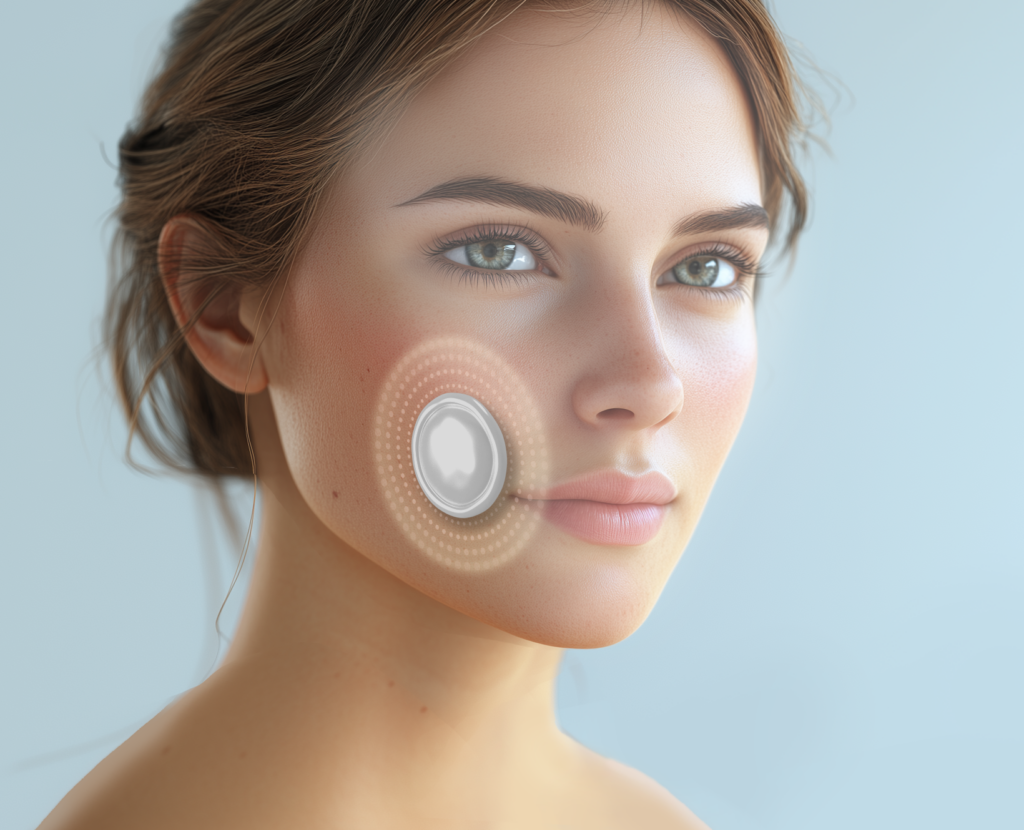
ClenchAlert fits into this awareness-based category. It is a biofeedback training device designed to help people notice jaw clenching in real time. Rather than simply cushioning the effects, it is meant to support awareness of the behavior itself.
That makes it especially relevant for people with daytime clenching patterns, tension-related bracing, and stress- or focus-linked jaw loading. In a broader treatment plan, ClenchAlert may help support the awareness step that many people are missing.
Stress reduction and nervous system regulation
Because bruxism often overlaps with stress and nervous system arousal, strategies that help regulate the body can matter. This may include breathing practice, physical activity, CBT-informed tools, relaxation training, sleep routine improvements, or other approaches that reduce the body’s need to brace.
Physical therapy and jaw relaxation work
Some people benefit from guided work on jaw mechanics, posture, neck tension, breathing patterns, and facial muscle relaxation. When bruxism is part of a larger tension pattern, that can be useful.
Sleep apnea evaluation and treatment when needed
If sleep-disordered breathing is part of the picture, it deserves attention. Bruxism that overlaps with snoring, gasping, poor sleep, or severe morning symptoms may not fully improve until the sleep side is addressed.
Medication review and advanced options such as Botox
In some cases, clinicians may review medications or discuss more advanced treatments. These options may be appropriate for some people, but they still work best when placed inside a larger understanding of the pattern.
Why the best treatment often combines more than one strategy
Many people do best with a layered approach. They protect the teeth, improve awareness, reduce triggers, support sleep, and work on replacing the pattern rather than just absorbing its effects.
Why a Mouthguard May Not Be Enough
This is where many people get frustrated. Their mouthguard may protect their teeth, but they still wake up sore, tense, or tired.
A mouthguard can sit between the teeth. It cannot automatically teach the nervous system a new pattern. It cannot make you notice that you brace your jaw during deadlines, driving, workouts, or emotional stress. It cannot always address sleep fragmentation or airway problems.
That is why many people feel confused when a mouthguard helps one part of the problem but not the whole experience. They are not failing treatment. They may simply need a plan that includes both protection and pattern change.
A Practical Framework for Change: The BRUX Method
One useful way to think about bruxism change is through The BRUX Method by Randy Clare. The framework is practical because it recognizes that bruxism is often automatic and that change usually starts with awareness rather than willpower alone.
B: Build Awareness
First, notice the pattern. When do you clench? During email, driving, workouts, conflict, focus, or fatigue? Awareness makes the invisible visible.
R: Relax the Response
Once you notice it, the next step is not shame or force. It is learning how to soften the response. That may mean releasing the jaw, dropping the shoulders, slowing the breath, or letting the teeth come apart.
U: Understand Triggers
Patterns are easier to change when you know what feeds them. Common triggers include stress, concentration, poor sleep, posture, caffeine, pain, and emotional bracing.
X: eXchange the Pattern
Lasting change comes from replacing the old loop with a new one. That may include a physical cue, a biofeedback tool, a breathing reset, a posture shift, or another habit that interrupts the clench and gives the body a different path.
This framework is useful because it fits how bruxism often works in real life. It is not just a problem to block. It is a pattern to understand and change.
How to Track Your Bruxism Symptoms Before an Appointment
You do not have to solve the whole pattern in one day. But there are meaningful first steps.
Start by noticing your triggers
Pay attention to when your teeth come together. Notice what you are doing, feeling, or thinking when it happens. A simple note on your phone can help you see patterns faster.
Use the cue: lips together, teeth apart
This is a simple reminder that your teeth do not need to touch when you are not chewing or swallowing. For many people, it becomes a useful reset.
Reduce unnecessary tooth contact during the day
Even light tooth contact, repeated all day, can keep the jaw muscles activated. The goal is not a dramatic change. It is repeated small interruptions of the pattern.
Support sleep quality and stress recovery
Look at the larger system. Sleep, stress, workload, screen time, and nervous system overload all matter. Bruxism often gets louder when the rest of the body is under more strain.
Protect your teeth while you work on the cause
If you are already damaging teeth or restorations, protection still matters. It just works best when paired with a broader plan.
Use awareness tools such as biofeedback when appropriate
If you struggle to notice clenching until you are already in pain, awareness tools may help shorten that gap. Biofeedback can make the habit easier to catch.
Know when to seek professional help
You do not need to wait until the damage is severe. Ongoing headaches, facial pain, jaw stiffness, cracked dental work, snoring, poor sleep, or limited jaw opening are all good reasons to seek help.
Simple first steps you can try this week
- Notice when your teeth touch during the day
- Relax your jaw and drop your shoulders
- Use “lips together, teeth apart” as a reset cue
- Track when headaches or jaw pain tend to appear
- Pay attention to snoring, fatigue, and sleep quality
What Can Make Bruxism Worse Without You Realizing It
Bruxism often increases when the system is under more load than usual.
Stress spikes can make the body brace harder. Long periods of concentration can turn the jaw into a stabilizing muscle. Poor sleep can lower your ability to regulate tension. Caffeine, alcohol, and nicotine may increase arousal or interfere with recovery. Pain in other parts of the body may also increase overall muscle guarding.
One of the biggest hidden factors is simply ignoring early signs. The sooner you start noticing the pattern, the easier it often becomes to reduce the buildup.
When to See a Dentist or Doctor About Bruxism
You should consider professional evaluation if you have persistent jaw pain, facial pain, headaches, chipped teeth, cracked restorations, jaw locking, limited opening, or sleep symptoms such as loud snoring, choking, dry mouth, or waking unrefreshed.
A dentist may help assess the oral side of the problem. A doctor or sleep specialist may be important when sleep disruption or airway issues seem likely. Sometimes the best care is collaborative.
Can Bruxism Get Better? What Real Progress Looks Like
Yes, bruxism can improve. But progress is usually more realistic when you stop expecting one quick fix.
For many people, improvement starts with awareness. You notice the clench sooner. You begin catching it during the day. Your jaw spends less time loaded. The headaches become less frequent. The mornings feel easier. Sleep improves. The teeth are better protected. The pattern no longer runs your body as automatically as before.
That kind of progress matters. You do not need perfect overnight results for treatment to be working. Reducing the frequency, intensity, and impact of bruxism can improve quality of life in a very real way.
The best outcomes often come from a combined approach: protect what needs protection, understand what is driving the pattern, and use practical tools to begin changing it.
Bruxism FAQ
What is bruxism?
Bruxism is a condition that involves grinding the teeth, clenching the jaw, or both. It can happen during sleep or while awake and may lead to headaches, jaw pain, facial tension, tooth damage, and poor sleep.
Is bruxism the same as teeth grinding?
Not exactly. Teeth grinding is one form of bruxism. Jaw clenching is another. Some people do one more than the other, and some do both.
What is the difference between awake bruxism and sleep bruxism?
Awake bruxism happens during the day, often during stress or concentration. Sleep bruxism happens during sleep and may be noticed through grinding sounds, morning soreness, or signs of tooth wear.
Can bruxism cause headaches?
Yes. Bruxism can contribute to temple pain, tension-type headaches, and referred pain from overloaded jaw muscles.
Can jaw clenching cause ear pain?
It can. Jaw muscle tension and nearby joint irritation can create pain that feels like it is in or around the ear.
What causes bruxism in adults?
Common contributors include stress, nervous system tension, sleep disruption, airway problems, stimulants, alcohol, nicotine, certain medications, and learned habit patterns.
Does stress make bruxism worse?
For many people, yes. Stress can increase muscle tension and make clenching more frequent, especially during the day.
Can sleep apnea cause teeth grinding?
Bruxism and sleep apnea can overlap. Not everyone who grinds has sleep apnea, but the connection is important enough that sleep symptoms should not be ignored.
How do dentists diagnose bruxism?
Dentists look for tooth wear, fractures, sore muscles, cheek or tongue signs, and symptoms such as headaches, jaw pain, and morning soreness. They may also ask about sleep and stress.
Do mouthguards stop bruxism?
Mouthguards may help protect the teeth, but they do not always stop the clenching or grinding pattern itself.
What is biofeedback for bruxism?
Biofeedback uses a cue to help you notice clenching as it happens. That awareness can make it easier to interrupt the pattern and retrain it over time.
Can ClenchAlert help with jaw clenching?
ClenchAlert is designed as a biofeedback training device to help people notice clenching in real time. It may be especially useful for daytime clenching and awareness-based habit change.
What is The BRUX Method?
The BRUX Method is Randy Clare’s framework for changing bruxism patterns through awareness, response regulation, trigger recognition, and pattern replacement.
How can I stop clenching my jaw during the day?
Start by noticing when it happens, use a reset cue such as “lips together, teeth apart,” reduce unnecessary tooth contact, support stress recovery, and consider awareness tools such as biofeedback.
When should I seek treatment for bruxism?
Seek help if you have ongoing headaches, jaw pain, facial pain, tooth damage, jaw locking, poor sleep, or signs that the pattern is affecting daily life.
Conclusion
Bruxism is often described too narrowly. It is not always just nighttime grinding. It can be daytime jaw clenching, morning temple pressure, facial pain, tooth sensitivity, broken dental work, poor sleep, and a body that seems to hold tension in the jaw before you even realize it.
That is why the most helpful question is not only, “How do I protect my teeth?” It is also, “What pattern is my body running, and what is keeping it going?”
For some people, the answer involves stress. For others, it involves sleep disruption, airway issues, or concentration habits. For many, it is a mix. That is exactly why a broader approach makes sense. Mouthguards and splints may protect the teeth. Physical therapy may help unload the muscles. Sleep evaluation may uncover a missing piece. But awareness often remains the turning point, especially when the pattern has become automatic.
That is where biofeedback and behavior-based strategies can offer something different. Rather than only softening the damage, they can help bring the pattern into view. Tools such as ClenchAlert fit into that awareness-based model by helping people notice jaw clenching in real time. And frameworks such as The BRUX Method give that awareness a structure that can be acted on: build awareness, relax the response, understand triggers, and exchange the pattern for something healthier.
Real change in bruxism is often gradual. You notice the clench sooner. You spend less of the day with your teeth together. Your jaw feels less loaded. The headaches become less frequent. Sleep gets a little better. The pattern begins to loosen its grip. That kind of progress matters.
Bruxism may be common, but it should not be dismissed. If you are dealing with jaw pain, headaches, facial tension, tooth wear, or a sense that your body is always bracing, it is worth looking more closely. The sooner you understand the pattern, the sooner you can begin changing it.
Related Reading
If you are still learning what bruxism is, read our guide to what bruxism means and how teeth grinding and jaw clenching can show up.
If your main symptom is jaw tightness, headaches, or facial pain, start with our Bruxism and Jaw Tension pillar.
If you clench during the day, read our guide to awake bruxism vs sleep bruxism.
If you wake up with jaw pain, read our guide to waking up with jaw pain.

Randy Clare is a writer, educator, and health communicator focused on making complex clinical topics easier to understand. He is the author of The Brux Method, host of The Clenching Chronicle Podcast, and a contributor to ClenchAlert. He previously served as Director of Digital Marketing at Glidewell Dental, is President of Hawkeye Group, and co-founded the American Sleep and Breathing Academy.