How to Protect Your Lungs When Air Quality Is Poor
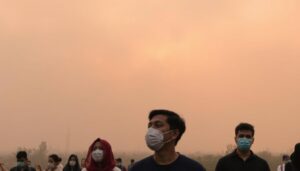
Learn how poor air quality affects breathing and what practical steps may help protect your lungs indoors and outdoors.

Respiratory health affects more than the lungs alone. It can influence sleep quality, energy, nasal breathing, nighttime symptoms, and overall well-being. In this section, you will learn about breathing problems, asthma, allergies, air quality, mouth breathing, and other respiratory issues that can affect sleep and daily life.
Start Here
If you are trying to understand breathing symptoms, lung health, nighttime breathing problems, or environmental triggers, this section is a good place to begin. These articles will help you connect respiratory symptoms with sleep quality, airway health, and everyday habits.
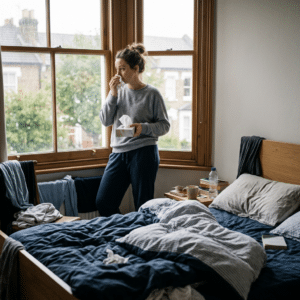
If you are trying to understand nighttime breathing symptoms, start with Breathing During Sleep: What Mouth Breathing, Snoring, Gasping, and Morning Symptoms May Mean. This article explains how mouth breathing, snoring, gasping, nasal congestion, dry mouth, morning headaches, brain fog, and waking unrefreshed may fit together as a symptom pattern.
Start with Respiratory Health: Triggers, Asthma, Allergies, Sleep, and Breathing Problems if you want a broad overview of the factors that can affect breathing during the day and at night.
Read Mouth Breathing at Night: Causes, Symptoms, Risks, and How to Stop It if you wake with dry mouth, poor sleep, congestion, or symptoms that suggest your breathing may be disrupted overnight.
Go to How to Protect Your Lungs When Air Quality Is Poor if environmental exposure, smoke, pollution, or seasonal conditions seem to make breathing harder.
Choose Asthma and Allergies: Symptoms, Triggers, Sleep Problems, and Relief if you want a more practical introduction to common airway triggers and how they can affect daily life and sleep.

Learn how poor air quality affects breathing and what practical steps may help protect your lungs indoors and outdoors.

Learn how exercise can support lung health, improve stamina, and help you breathe more comfortably during daily activity.
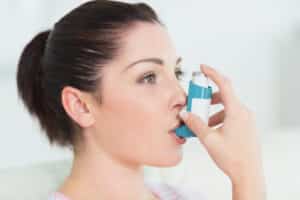
You will learn how asthma and allergies are connected, which symptoms and triggers matter, and when to ask a healthcare provider for help. You will understand why nighttime coughing, congestion, mouth breathing, or shortness of breath may be signs that your respiratory health needs more attention.
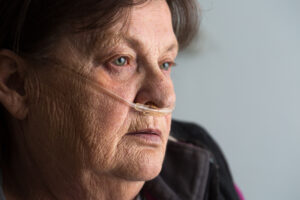
Learn how COPD and sleep apnea can overlap, worsen breathing and sleep, and why diagnosis is important.

You will learn how some studies have reported ongoing symptoms in about 10% of people after COVID-19, while other estimates are higher depending on the population studied, symptom definitions, and follow-up period.
Sign up for the latest in sleep and respiratory articles to improve your practice.