
Bruxism Treatment Options: Mouthguards, Biofeedback, Sleep Review, and Dental Care
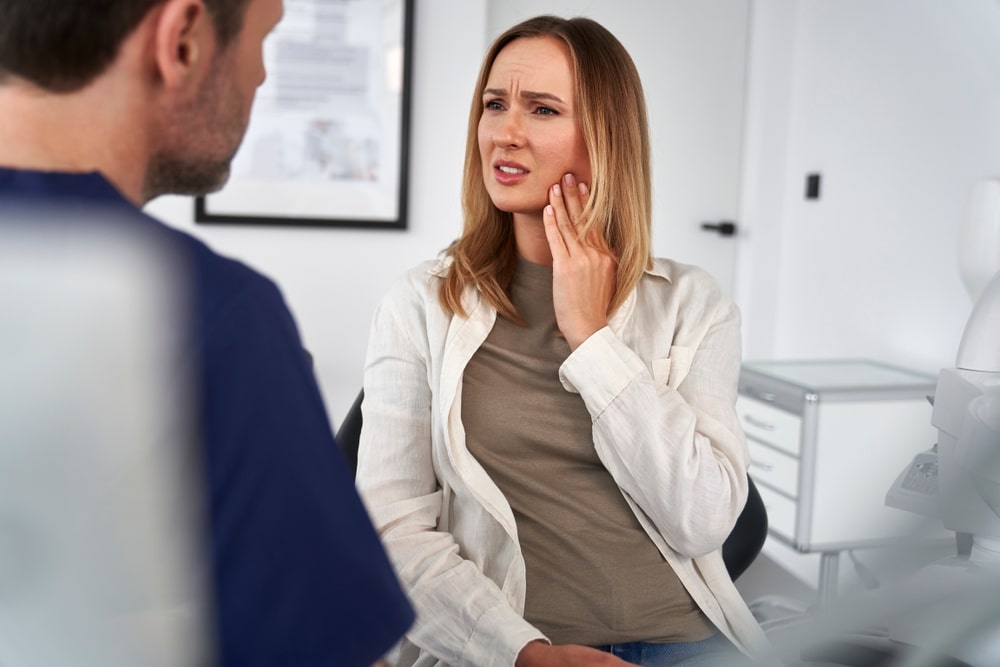
Learn the common signs and causes of bruxism and the treatment options that may help reduce teeth grinding and jaw clenching.
Bruxism and Jaw Tension: Why This Pattern Can Be Confusing
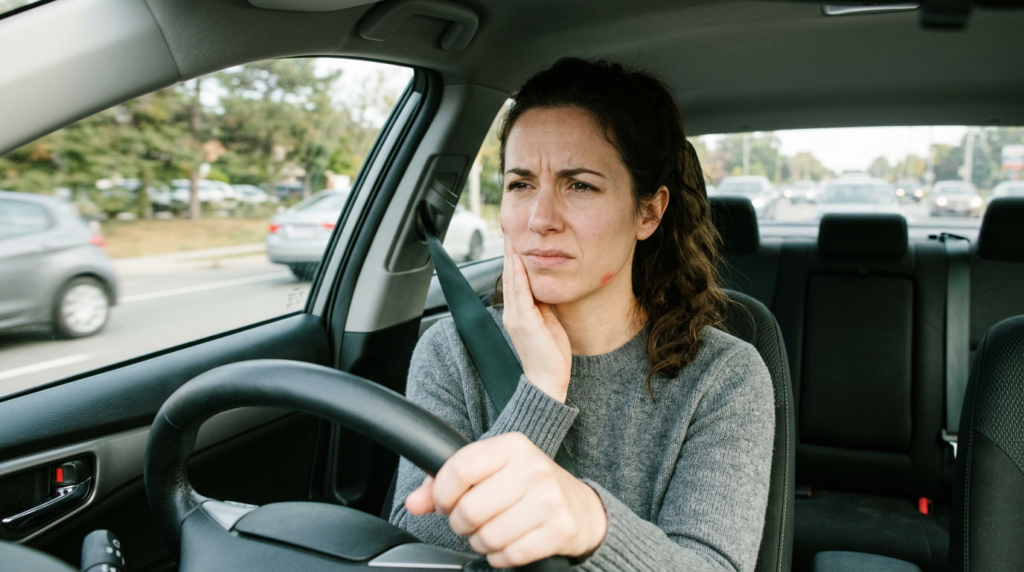
You will learn how bruxism and jaw tension can affect your teeth, jaw, head, face, and sleep, what symptom patterns to recognize, and what next steps may help.
Teeth Apart Resting Jaw Position: What Clenchers Need to Relearn

You will learn why your teeth should not stay together at rest, how the teeth apart resting jaw position works, and simple cues to help relax your jaw during the day.
Stress Jaw: Why Anxiety Shows Up in Your Teeth
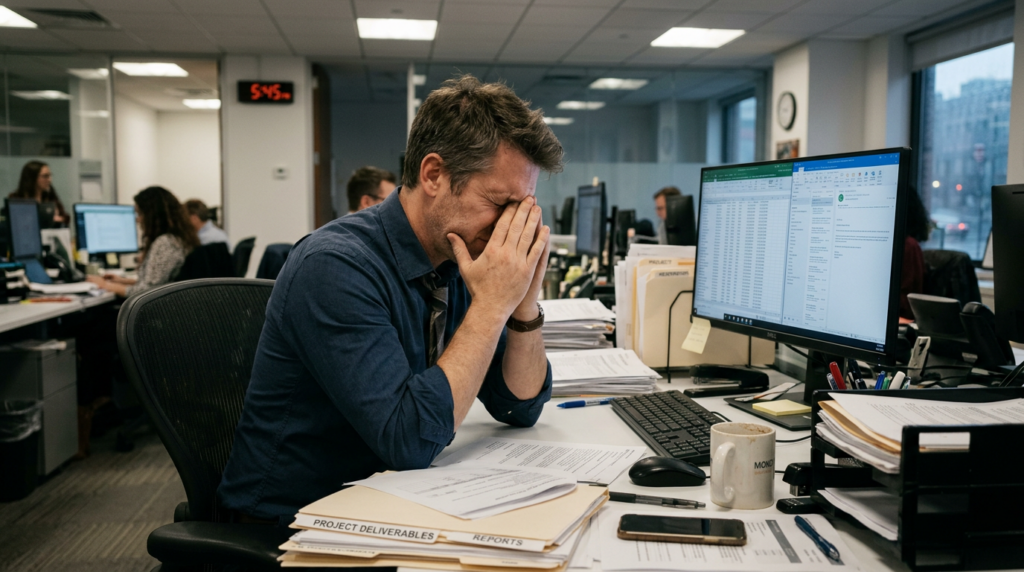
You will learn why stress and anxiety can show up as jaw tension, clenching, tooth contact, and facial tightness. You will understand how to spot stress jaw patterns, relax your jaw, and know when symptoms need professional attention.
Why a Mouthguard Protects Teeth But May Not Stop Clenching
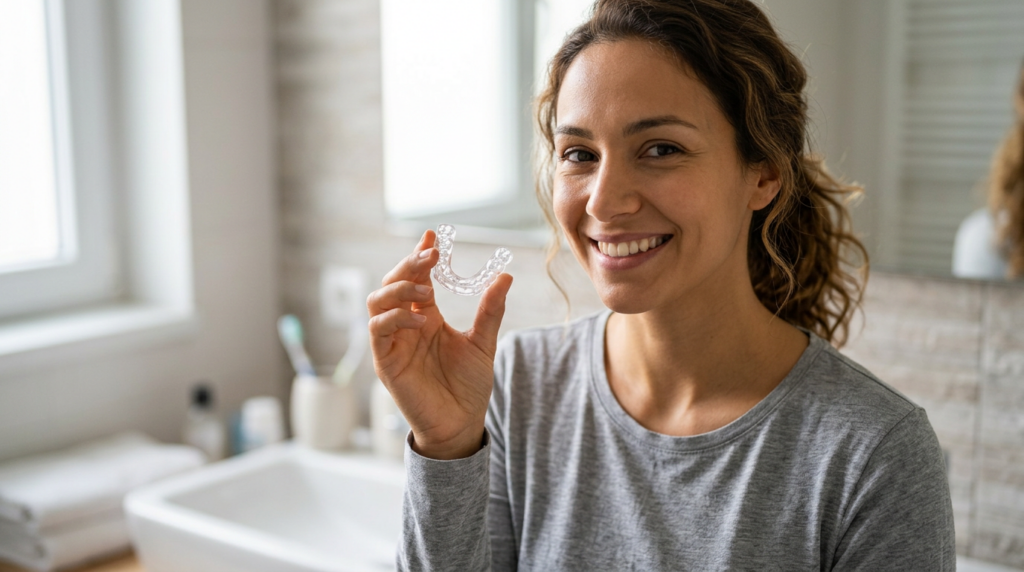
You will learn why a mouthguard can protect your teeth even if you still clench. You will understand why night guards help reduce dental damage, why jaw pain can continue, and what additional strategies may help with daytime clenching, sleep bruxism, and jaw awareness.
Awake Bruxism vs Sleep Bruxism: Why the Difference Matters
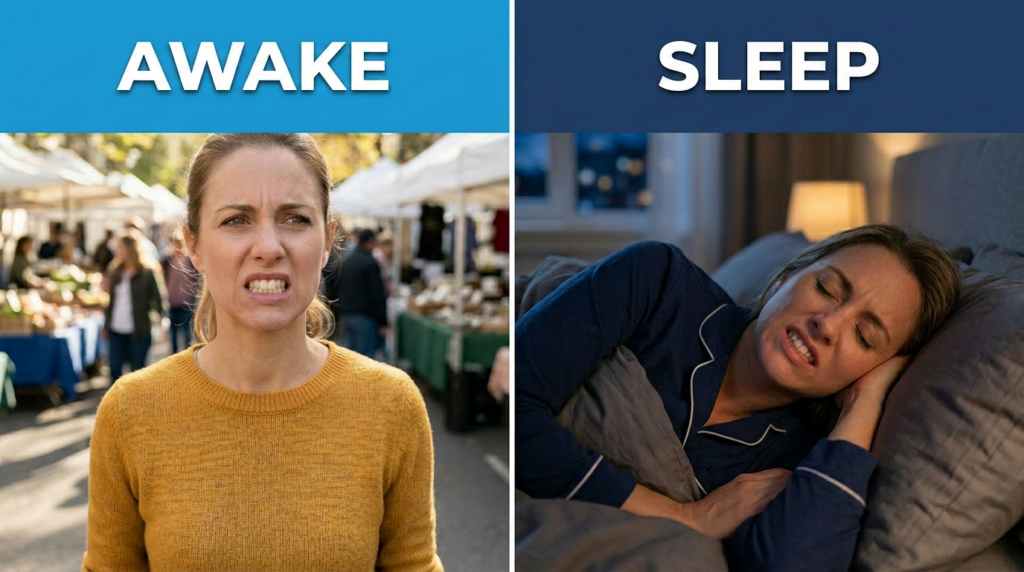
You will learn the difference between awake bruxism and sleep bruxism, how to recognize daytime clenching and nighttime grinding, and why symptom timing can help you choose the right next step.
Can a Pulse Oximeter Diagnose Sleep Apnea? Not by Itself
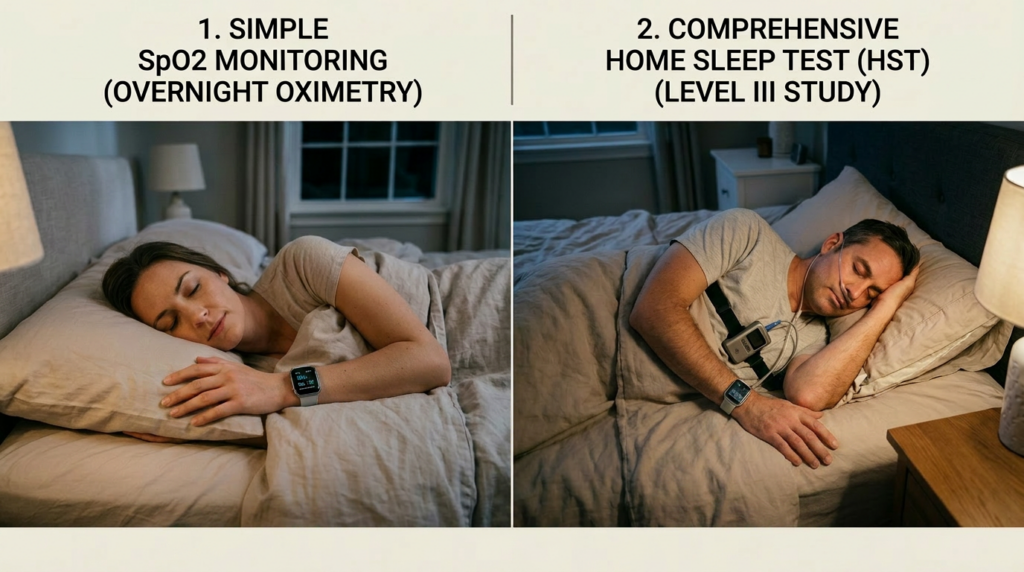
This article helps you understand why SpO2 alone cannot diagnose sleep apnea.
You will learn how pulse oximetry differs from home sleep testing, where devices like WristOx2 and Nox T3 fit, and how overnight oximetry may help guide oral appliance titration before confirmatory follow-up testing.
Respiratory Health: Triggers, Asthma, Allergies, Sleep, and Breathing Problems
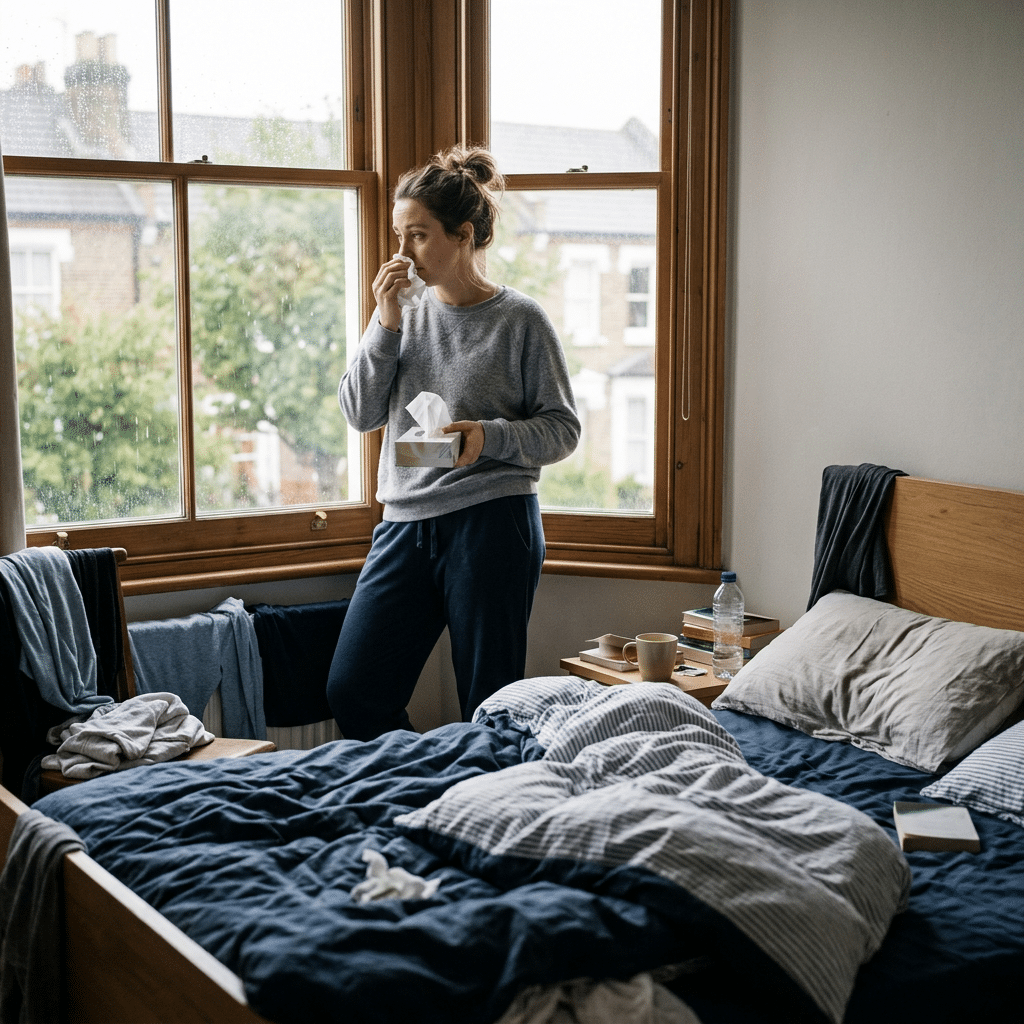
Learn how asthma, allergies, congestion, and air quality can affect breathing and sleep, plus practical ways to reduce flare-ups.
Understanding Sleep Disorders: Beyond Just Fatigue
Learn how sleep disorders can cause more than fatigue, including brain fog, headaches, snoring, and poor concentration.
Using a Silent Nite SL for Obstructive Sleep Apnea: My Personal Review
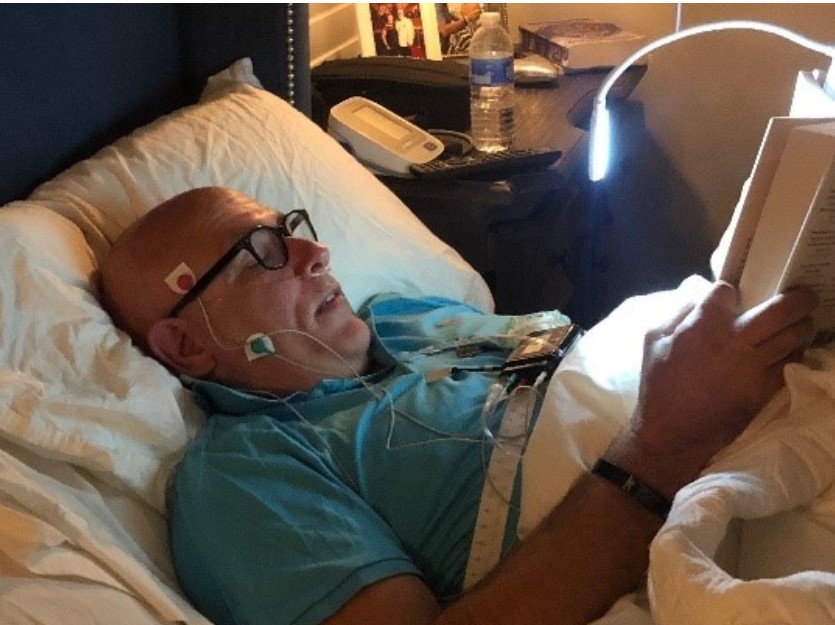
This article helps you understand how a custom oral appliance may be used to treat obstructive sleep apnea and why follow-up testing matters. You will learn what Randy Clare’s personal experience with a Silent Nite SL, NOX T3 home sleep testing, and EMG monitoring revealed about oral appliance titration, symptom improvement, and outcome verification.