

Last updated on June 15th, 2026 at 08:03 am
Medically responsible content note:
This article is for education only and does not diagnose or treat medical, dental, or sleep conditions. Bruxism, jaw pain, headaches, snoring, breathing pauses, and respiratory symptoms can have multiple causes. Seek care from a qualified medical, dental, sleep, or orofacial pain professional when symptoms are persistent, worsening, severe, or disruptive.
If your jaw feels tight, your teeth feel sore, or you keep waking up with headaches, bruxism may be part of the problem.
Bruxism is the term for teeth grinding, jaw clenching, and repeated jaw bracing. It can happen during the day or during sleep. Some people grind loudly enough for a partner to hear it. Others mostly clench, which can be silent but still place heavy strain on the teeth, jaw muscles, and jaw joints.
That is one reason bruxism is so often overlooked. Many people think it only counts if they grind their teeth at night. But quiet daytime clenching can also lead to headaches, sore facial muscles, tooth sensitivity, cracked dental work, and a jaw that never fully relaxes.
Once you know what to look for, bruxism becomes easier to recognize. That recognition matters because early awareness can help you protect your teeth, reduce muscle strain, and get the right kind of help sooner.
What Is Bruxism?
Bruxism is a condition that involves repeated jaw muscle activity, especially:
- clenching
- grinding
- bracing
- thrusting the jaw
In simple terms, bruxism means your jaw is working harder than it needs to.
That extra work may happen during stress, concentration, sleep, exercise, or even ordinary tasks like driving or working at a computer. Some people experience it occasionally. Others do it often enough to cause pain, tooth wear, jaw stiffness, sleep disruption, or damage to fillings and crowns.
What is bruxism?
Bruxism is a condition that causes repeated teeth grinding, jaw clenching, or jaw bracing. It can happen while you are awake or asleep and may lead to headaches, jaw pain, tooth wear, and facial tension.
Is Bruxism the Same as Teeth Grinding?
Not exactly.
Teeth grinding is one form of bruxism, but it is not the only form. Jaw clenching is also bruxism. So is repeatedly bracing the jaw muscles without obvious grinding.
This matters because many people say, “I do not grind my teeth,” and assume bruxism cannot apply to them. But some of the most uncomfortable cases involve clenching more than grinding.
You may have bruxism even if:
- no one hears you grind at night
- your teeth do not look badly worn yet
- your main symptom is jaw tightness
- you mostly notice temple pain or facial fatigue
- you clench during stress or concentration
Bruxism is the umbrella term. Grinding and clenching are both forms of it.
Teeth Grinding vs Jaw Clenching: What Is the Difference?
People often use these terms together, but they describe different patterns of jaw overload.
Teeth grinding
Grinding involves movement. The teeth rub against each other, often side to side or front to back. Over time, that friction can flatten teeth, wear away enamel, and create visible damage.
Because grinding can make sound, it is sometimes noticed first by a bed partner.
Jaw clenching
Clenching involves pressure without much movement. The teeth may be pressed together while the jaw muscles stay tight for long periods.
Clenching is often quieter than grinding, but it can still create serious overload. In some people, it causes more jaw pain, temple headaches, and muscle fatigue than visible tooth wear.
Why this difference matters
A person can have major jaw tension, temple pain, and facial soreness without obvious grinding marks. Another person may show clear wear on the teeth with very little pain.
That is why bruxism can be easy to miss. It does not look the same in every person.
The 2 Main Types of Bruxism
Bruxism is usually divided into two main categories: awake bruxism and sleep bruxism.
Awake Bruxism: Daytime Jaw Clenching and Tension
Awake bruxism happens while you are conscious. It often appears during stress, concentration, effort, or emotional strain.
Common examples include:
- clenching while working at a desk
- pressing the teeth together while driving
- tightening the jaw during stressful conversations
- bracing the jaw during exercise
- holding facial tension while focusing
For many people, awake bruxism becomes automatic. The jaw tightens before they even realize it is happening. That is why awareness is such an important first step. You cannot change a pattern you do not notice.
Sleep Bruxism: Teeth Grinding During Sleep
Sleep bruxism happens during sleep. Some people grind loudly enough for a partner to hear. Others notice indirect signs, such as:
- waking with jaw soreness
- morning headaches
- tight facial muscles
- tooth sensitivity
- a tired or stiff jaw
- waking up feeling tense
Sleep bruxism may overlap with sleep disruption in some people. That does not mean everyone with bruxism has a sleep disorder. It does mean that poor sleep, snoring, or waking unrefreshed can be important parts of the picture.
Featured snippet answer: What is sleep bruxism?
Sleep bruxism is teeth grinding or jaw clenching that happens during sleep. It may cause morning headaches, jaw soreness, tooth wear, facial tension, and poor-quality sleep.
What Causes Bruxism?
There is rarely one single cause.
Instead, bruxism is better understood as a pattern that may be influenced by several factors at the same time. For one person, stress may be the strongest trigger. For another, sleep disruption may matter more. For someone else, the pattern may be tied to habit, posture, or a nervous system response that developed over time.
Stress and emotional load
Stress is one of the most common contributors to jaw clenching. Just as some people carry tension in the shoulders or neck, others carry it in the jaw.
That does not mean bruxism is “just stress.” It means the body often expresses strain physically, and the jaw is one place where that strain can show up.
Learned habit patterns
Some people develop a repeated jaw-bracing response during focus, frustration, or effort. Over time, the body may learn this pattern so well that it happens automatically.
This is one reason awareness-based and behavior-based approaches can be helpful. The goal is not just to tell yourself to stop. The goal is to catch the pattern sooner and change it.
Sleep-related factors
When symptoms are strongest in the morning, sleep-related factors may be worth considering. Bed partner reports, poor sleep quality, and waking with facial soreness can all be clues.
Posture and body tension
Head, neck, and upper body tension can feed into jaw strain. For some people, the jaw is part of a larger bracing pattern rather than a problem in isolation.
Dental and bite factors
Dental and bite-related factors may play a role in some cases, but they usually do not explain the full picture. Bruxism is often broader than just the way the teeth come together.
What causes bruxism?
Bruxism can be linked to stress, learned jaw-clenching habits, sleep disruption, muscle tension, posture, and other contributing factors. In many people, it has more than one cause.
Common Signs and Symptoms of Bruxism
Bruxism can show up in several ways. Some signs are obvious. Others are subtle and easy to dismiss.
Common signs of bruxism include:
- jaw pain or jaw soreness
- morning headaches
- temple pressure or temple tenderness
- tight cheeks or facial muscles
- tooth wear
- chipped or flattened teeth
- tooth sensitivity
- cracked fillings or crowns
- jaw clicking or stiffness
- ear pain without an obvious ear problem
- waking up tense
- neck and shoulder tightness
Not everyone has all of these symptoms. Some people mainly feel muscle fatigue. Others notice dental damage first. Some do not suspect bruxism at all until a dentist points it out.
Can Bruxism Cause Headaches, Jaw Pain, and Tooth Damage?
Yes. Bruxism can affect much more than the teeth.
Bruxism and tooth damage
Grinding and clenching can wear down enamel, chip teeth, create cracks, and shorten the life of dental work like fillings and crowns.
Bruxism and jaw pain
Repeated overload can leave the jaw muscles overworked and tender. The jaw joints may also become irritated, especially if the jaw is repeatedly held under pressure.
Bruxism and headaches
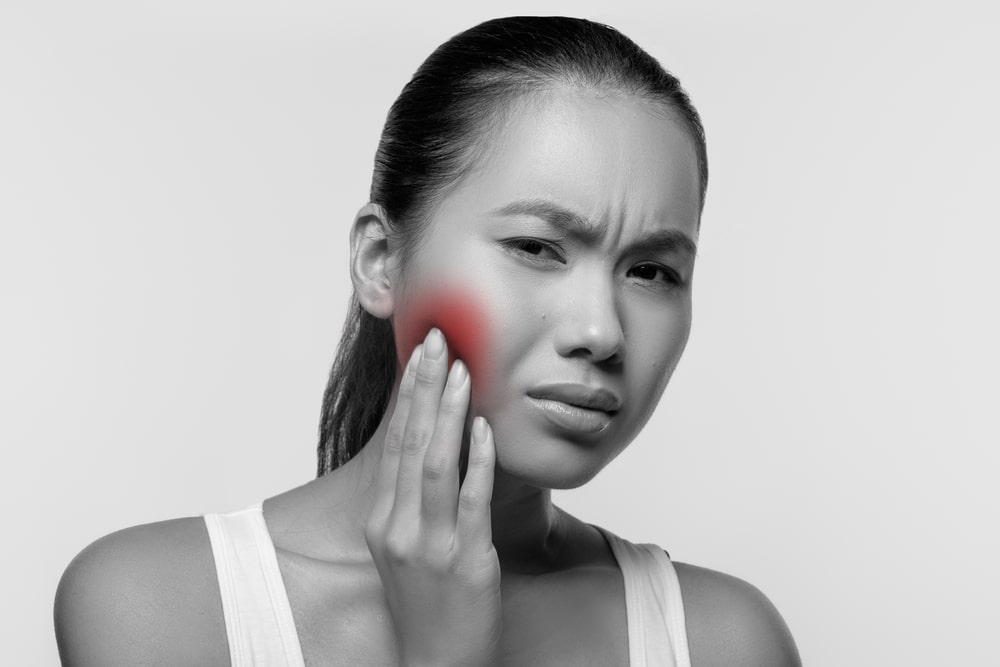
Temple headaches and morning headaches are common in people whose jaw muscles stay tight for long periods. When the jaw is overloaded, the pain can spread into the head and face.
Can bruxism cause headaches?
Yes. Bruxism can cause headaches by overworking the jaw muscles, especially the muscles at the sides of the head. It may also contribute to jaw pain, facial tension, and morning soreness.
Why Bruxism Is Often More Than a Tooth Problem
One reason bruxism can be frustrating is that it is not always just about the teeth.
For many people, bruxism sits at the intersection of:
- stress
- sleep
- habit patterns
- nervous system load
- muscle tension
- pain referral into the face, head, and neck
That broader view matters. A mouthguard can help protect teeth from damage, and that can be useful. But protection alone does not always change the pattern. If the jaw is still spending hours under unnecessary load, symptoms may continue.
That is why many people benefit from a more complete approach that includes awareness, habit change, and support for the larger pattern behind the clenching.
What To Do If You Think You Have Bruxism
If this sounds familiar, the next step is not to guess. It is to start paying attention.
Notice when your teeth touch
At rest, your teeth do not need to be touching. If you catch yourself holding them together while working, thinking, driving, or scrolling, that is useful information.
Track your symptoms
Look for patterns such as:
- waking with jaw soreness
- end-of-day tightness
- headaches after stressful days
- tooth sensitivity
- jaw fatigue while chewing
- poor sleep
- moments when clenching is most common
Even a short symptom journal can help you connect the dots.
Schedule a dental evaluation
A dentist can check for:
- tooth wear
- cracks and fractures
- muscle tenderness
- jaw joint findings
- damage to fillings or crowns
- other signs of overload
Look at the bigger picture
If you also snore, wake up tired, get frequent headaches, or feel chronically tense, mention those details too. Bruxism often makes more sense when it is viewed in context.
How Is Bruxism Diagnosed?
Bruxism is usually diagnosed by looking at a combination of:
- your symptoms
- your dental history
- what your dentist sees during the exam
- wear patterns on the teeth
- tenderness in the jaw muscles
- jaw joint findings
- reports of grinding or morning tension
There is not always one single test that confirms it. In many cases, dentists diagnose bruxism by recognizing a pattern.
That is why your story matters. What you feel is part of the diagnosis, not just the visible signs on your teeth.
How is bruxism diagnosed?
Bruxism is usually diagnosed through symptoms, dental history, and a clinical exam. Dentists look for tooth wear, muscle tenderness, jaw stiffness, broken dental work, and signs of clenching or grinding.
Why Awareness Is Often the First Step in Bruxism Treatment
One of the most important things to understand about bruxism is that many people do not change it by trying harder. They change it by noticing it sooner.
If you only notice clenching after your jaw already hurts, you are reacting late in the cycle. But if you start catching the tension in real time, you have a much better chance of releasing it before it builds.
This is why awareness-based strategies are getting more attention in bruxism care. For daytime clenching, the goal is often not just to protect the teeth. It is to help the person recognize the habit and interrupt it.
That is also the idea behind biofeedback tools. These tools help bring the pattern into awareness so you can respond differently.
For example, ClenchAlert is designed as a biofeedback training device for people who clench during the day. Instead of acting as passive protection alone, it is meant to help users notice when the jaw begins to load so they can relax it.
This same awareness-first approach is reflected in The BRUX Method by Randy Clare, which frames change around four steps:
- Build Awareness
- Relax the Response
- Understand Triggers
- eXchange the Pattern
That framework is useful because it treats bruxism as something that can be understood and retrained, not just endured.
When To See a Dentist for Bruxism
You should consider professional evaluation if:
- your jaw hurts often
- you wake with headaches or facial soreness
- your teeth are chipping
- your dental work keeps breaking
- your jaw clicks, locks, or feels stiff
- your symptoms are getting worse
- you have snoring or other sleep-related symptoms along with jaw tension
The earlier you get checked, the easier it may be to prevent more damage and understand what is driving the pattern.
The First Goal Is Awareness, Not Perfection
Bruxism often happens automatically. That can make it feel frustrating and hard to control. But the first goal is not to stop perfectly overnight.
The first goal is to recognize what is happening.
Once you can recognize the pattern, you can start responding to it with more precision. That may include:
- a dental exam
- tooth protection when needed
- symptom tracking
- relaxation cues
- biofeedback training
- sleep evaluation
- support for stress, posture, or broader tension patterns
Final Thoughts: Why Early Bruxism Awareness Matters
Bruxism is more than loud nighttime teeth grinding. It can also look like quiet jaw clenching, daytime bracing, sore jaw muscles, temple headaches, tooth sensitivity, and a constant sense of facial tension.
Because it can show up in different ways, it is often overlooked. But once you know what bruxism is, the pattern becomes easier to recognize.
That matters because awareness is often where relief begins.
If you think you may be grinding or clenching, pay attention to the signs. Notice when your teeth touch. Track your symptoms. Bring the pattern to your dentist. The sooner you recognize it, the sooner you can start protecting your teeth, easing muscle strain, and building a more effective plan.
Jaw Pain, Headaches, and Tooth Damage
FAQ: What People Ask About Bruxism
What is bruxism in simple terms?
Bruxism is repeated jaw muscle activity that includes teeth grinding, jaw clenching, or bracing the jaw. It can happen during the day or during sleep.
Is jaw clenching a form of bruxism?
Yes. Jaw clenching is a common form of bruxism, even if there is little or no grinding.
Can you have bruxism without grinding your teeth?
Yes. Many people mainly clench rather than grind. They may still have jaw pain, headaches, or tooth damage.
What are the symptoms of bruxism?
Common symptoms include jaw soreness, headaches, temple pain, tooth wear, tooth sensitivity, facial tension, and cracked dental work.
What causes bruxism?
Bruxism can be linked to stress, habit patterns, sleep disruption, body tension, and other contributing factors. It usually does not have one single cause.
Is bruxism bad for your teeth?
It can be. Bruxism may wear down enamel, chip teeth, crack fillings, and shorten the life of crowns or other dental work.
Can bruxism cause headaches?
Yes. Bruxism can overload the jaw muscles and contribute to temple pain, morning headaches, and tension-like head pain.
What is the difference between awake bruxism and sleep bruxism?
Awake bruxism happens during waking hours, often during stress or concentration. Sleep bruxism happens during sleep and may show up as morning soreness, headaches, or tooth wear.
How do you know if you have bruxism?
You may suspect bruxism if you have jaw pain, morning headaches, tooth sensitivity, worn teeth, or catch yourself clenching during the day. A dentist can help evaluate the pattern.
When should you see a dentist for bruxism?
You should get checked if symptoms are recurring, your jaw is hurting, your teeth or dental work are breaking, or you are waking with regular tension or headaches.

Randy Clare is a writer, educator, and health communicator focused on making complex clinical topics easier to understand. He is the author of The Brux Method, host of The Clenching Chronicle Podcast, and a contributor to ClenchAlert. He previously served as Director of Digital Marketing at Glidewell Dental, is President of Hawkeye Group, and co-founded the American Sleep and Breathing Academy.