
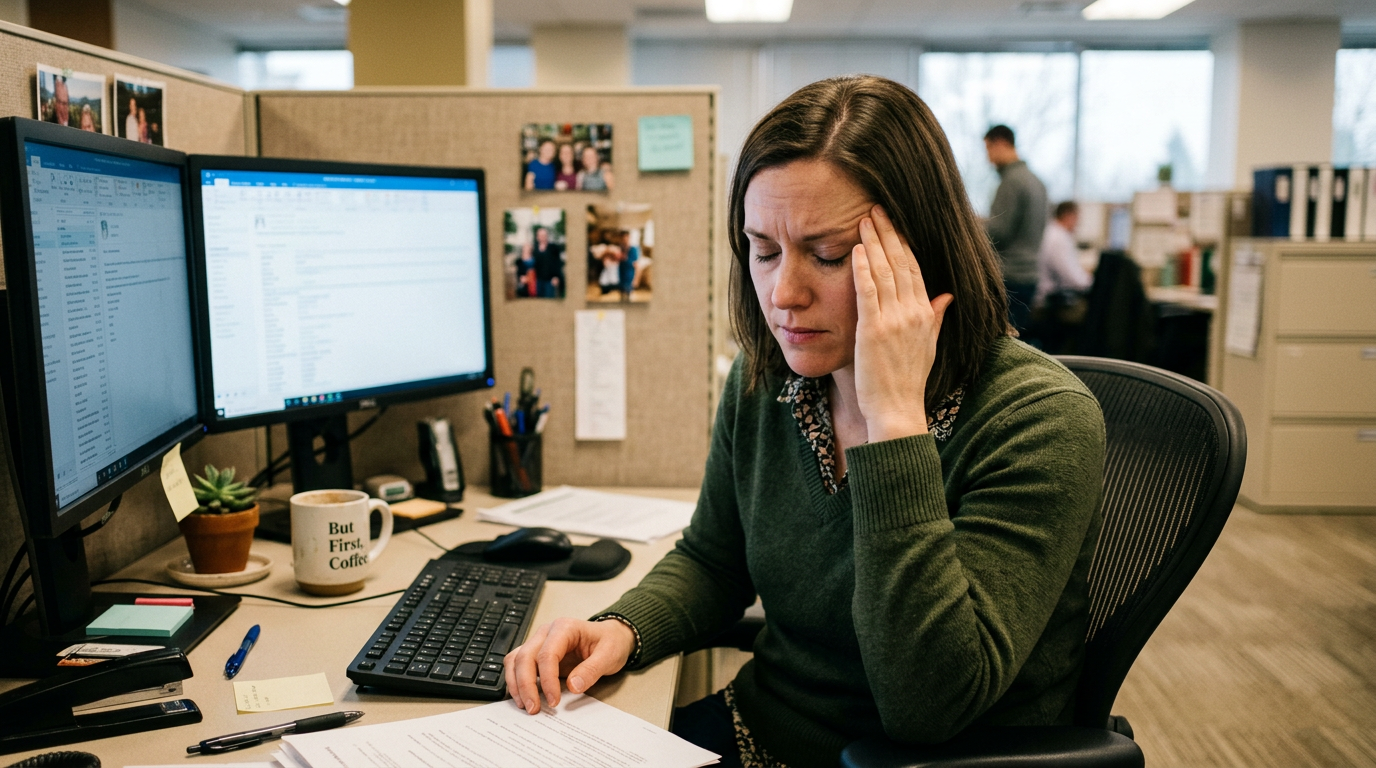
A stress headache can creep in during a hard day and stay longer than you want it to. It may start as tight shoulders, temple pressure, a clenched jaw, or an aching neck. Then it becomes the kind of dull, steady pain that makes it harder to focus, work, or relax. If that sounds familiar, this article will help you understand what a stress headache feels like, what causes it, what may help, and when it is time to get medical advice.
What Is a Stress Headache?
A stress headache is usually a tension-type headache triggered or made worse by stress, muscle tension, poor sleep, jaw clenching, mental overload, or nervous system strain. Many people use the phrase “stress headache” because it matches what they feel in real life. They notice the headache during stressful days, busy weeks, poor sleep, or emotionally draining situations.
Stress headaches are common, but they are not random. They often reflect how stress is being carried in the body. You may hold tension in your jaw, neck, shoulders, scalp, and upper back for hours before you ever think of it as a headache.
If you want a broader overview of related pain patterns, symptoms, and treatment pathways, read Headache and Facial Pain: Causes, Symptoms, and Treatment Options..
Stress Headache vs Tension Headache
A stress headache and a tension headache are often closely related. In everyday language, many people use “stress headache” to describe a tension-type headache that seems tied to emotional strain, work pressure, worry, fatigue, or overload.
A tension headache describes the type of pain pattern. A stress headache describes a common trigger pattern.
In other words, stress headaches are often tension headaches, but the phrase “stress headache” helps explain why the pain may be happening. That distinction matters because it reminds you to look beyond the pain itself and pay attention to things like poor sleep, jaw clenching, posture, dehydration, long hours at a screen, and chronic stress.
What Does a Stress Headache Feel Like?
Stress headache symptoms often include:
- a dull, steady ache
- pressure across the forehead
- tightness in the temples
- a band-like feeling around the head
- soreness in the neck and shoulders
- scalp tenderness
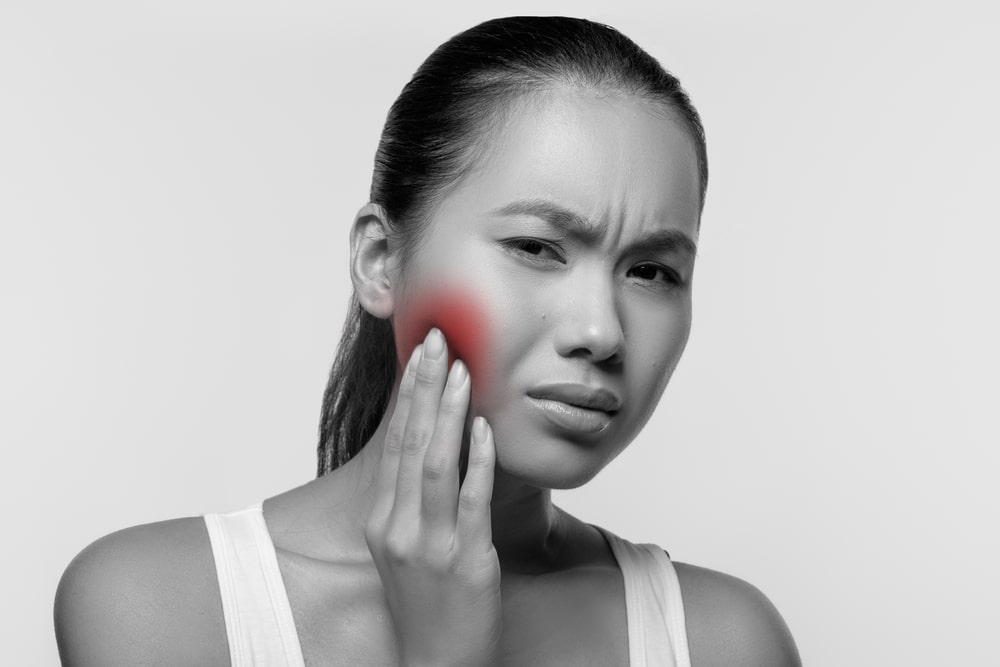
- facial tension
- a tired or heavy feeling in the head
For some people, the pain is mild but distracting. For others, it builds slowly across the day until everything feels harder. Emails take more effort. Meetings feel longer. Noise feels more irritating. Even when the headache is not severe, it can wear you down.
Stress headaches often feel different from migraine. They are usually more tight, pressing, and steady than throbbing. They may also come with jaw tension, shoulder tightness, and a general sense that your body has been bracing for too long.
If migraine symptoms are part of the picture, it may also help to read Migraine- symptoms, Triggers and Treatments
What Causes Stress Headaches?
Stress headaches are often caused by a buildup of physical and mental tension rather than one single event. Stress changes the way your body holds itself. Your shoulders rise. Your jaw tightens. Your breathing may become shallower. You may sit still too long, stare at a screen without breaks, forget to drink water, or skip meals.
Each of those things may seem small on its own. Together, they can create the conditions for pain.
Common causes and contributors include:
- emotional stress
- anxiety
- poor sleep
- jaw clenching
- neck and shoulder tension
- poor posture
- dehydration
- skipped meals
- eye strain
- too much screen time
- long periods without movement
- mental overload
That is why stress headaches can be so frustrating. The problem is often a pattern, not a single obvious trigger. If your stress headaches keep returning, the issue may be less about one isolated cause and more about a repeatable pattern involving stress load, sleep, jaw tension, posture, hydration, and nervous system strain.
Can Stress Cause Headaches?
Yes. Stress can absolutely cause headaches or make existing headaches worse.
Stress affects the body in ways that go beyond thoughts and emotions. It can increase muscle tension, reduce pain tolerance, disturb sleep, change breathing patterns, and reinforce habits like jaw clenching or shoulder tightening. Over time, that physical strain can lead to head pain.
A useful way to think about it is this: stress headaches often begin as body tension long before they feel like head pain.
Why Stress Headaches Often Build Slowly
Many people do not notice a stress headache at the beginning. They notice it when the pressure has already built. That is because the process usually starts earlier in the day.
You wake up after poor sleep. You move right into a busy morning. You sit forward at a screen. You clench your jaw while concentrating. You work through lunch. You drink coffee but not much water. By late afternoon, your temples feel tight and your shoulders feel hard. The headache seems to come out of nowhere, but it usually has a long runway.
That is one reason stress headaches are easier to manage when you learn your pattern. Relief often starts before the pain gets strong.
The Connection Between Stress Headaches and Jaw Clenching
Jaw tension is one of the most overlooked parts of the stress headache pattern. Many people clench when they are focused, frustrated, anxious, or trying to push through a task. They may not notice it until their teeth hurt, their temples ache, or their face feels tired.
This matters because the muscles used for chewing are closely connected to areas where headache pain is often felt, especially the temples and sides of the head. If those muscles stay tight, they can become part of the stress headache pattern.
A simple daytime reset is this: let your lips rest together, but keep your teeth apart. Relax your jaw. Let your tongue rest comfortably. Check in during stressful calls, detailed work, driving, or long periods of concentration. Those are common clenching moments.
If stress headaches often show up with jaw tension, temple soreness, or daytime clenching, it may help to think beyond pain relief alone. Randy Clare’s book, The BRUX Method, explores bruxism as a learned pattern involving awareness, stress response, triggers, and habit change. That framework can be useful for people trying to understand why jaw tension keeps feeding headache symptoms and what they can do to interrupt the cycle earlier.
To go deeper, read What is Bruxism? Teeth Grinding and Jaw Clenching Explained explore How Stress and Anxiety Contribute to Bruxism..
Can Anxiety Cause Stress Headaches?
Yes. Anxiety can contribute to stress headaches in much the same way as stress. It can keep the body in a more activated, guarded state. That often means tighter muscles, more jaw tension, shallower breathing, poorer sleep, and a lower threshold for pain.
Some people do not describe themselves as stressed, but they do feel wired, tense, restless, or mentally overloaded. If that is the pattern, anxiety may still be contributing to the headache cycle.
If anxiety seems closely tied to jaw tension, this article on How Stress and Anxiety Contribute to Bruxism may help.
Can Poor Sleep Make Stress Headaches Worse?
Yes. Poor sleep can make stress headaches more likely and harder to recover from.
When you do not sleep well, your body becomes less resilient. You may feel more irritable, more physically tense, and more sensitive to pain. You may also be more likely to clench at night or during the day. Some people wake with headaches that seem like “stress headaches” but are actually linked to sleep bruxism, snoring, fragmented sleep, or sleep apnea.
If headaches are worst in the morning, or if you wake up unrefreshed, that is worth paying attention to. It may point to something beyond stress alone. Learn more in Morning Headaches: Is It Bruxism, Sleep Apnea, or Something Else?and What Is Obstructive Sleep Apnea? Symptoms, Causes, and Why It Matters.
How to Relieve a Stress Headache
Stress headache relief usually works best when you interrupt the tension pattern early instead of waiting until the pain is fully established.
Take a short break
Stand up. Walk for a minute. Step away from the screen. Even a brief reset can help reduce the buildup of muscle tension.
Relax your jaw
Let your teeth come apart. Soften your temples, cheeks, and jaw muscles. This matters more than many people realize.
Move your neck and shoulders
Try gentle shoulder rolls, neck turns, chin tucks, or chest-opening stretches. The goal is not an intense stretch. The goal is to interrupt the tension pattern.
Drink water
Dehydration can make headaches worse. Keep water within reach and make hydration easier.
Eat regularly
Low blood sugar and long gaps without food may leave you more vulnerable to headache symptoms.
Reduce screen strain
Adjust brightness, lower glare, blink more often, and look away from the screen regularly.
Slow your breathing
You do not need a long practice. Even one minute of slower breathing can help reduce physical stress.
If you are starting to notice a repeatable jaw-tension pattern, learning more about Bruxism Symptoms, Causes, and Treatments may help you address the problem earlier.
What Helps a Stress Headache Fast?
If you need quick stress headache relief, the most helpful first steps are usually simple:
- pause what you are doing
- drink water
- eat if you have not eaten
- relax your jaw
- lower your shoulders
- step away from the screen
- reduce light or glare
- take slow breaths for one minute
These steps will not solve every headache, but they can help when the problem is being fed by tension, stress, screen overload, or poor body mechanics.
Daily Habits That May Help Prevent Stress Headaches
Stress headaches are less likely to build when you catch tension earlier and reduce the strain points that keep repeating.
Helpful habits include:
- taking short movement breaks each hour
- checking for jaw clenching during focused tasks
- keeping your screen at eye level
- letting your shoulders stay relaxed
- drinking water throughout the day
- eating regular meals
- getting enough sleep
- reducing unnecessary multitasking
- tracking when headaches happen
- learning which stressors show up before the pain
Small resets matter. A one-minute change repeated several times a day can be more useful than trying to undo six hours of tension all at once.
For a broader behavior-based framework, The BRUX Method can be a useful resource for understanding how awareness, trigger recognition, and habit change may reduce recurring jaw-driven tension patterns.
Keep a Stress Headache Diary
If your headaches keep returning, a simple diary can help you find patterns. Track:
- when the headache started
- what you were doing before it began
- stress level
- sleep the night before
- water intake
- meals or skipped meals
- screen time
- jaw, neck, or shoulder tension
- what seemed to help
This gives you something more useful than saying, “I get headaches a lot.” It gives you clues. It can also help if you decide to speak with a healthcare professional.
If your notes keep pointing back to morning symptoms, jaw pain, or disrupted sleep, it may help to review Morning Headaches: Is It Bruxism, Sleep Apnea, or Something Else?.
Be Careful With Pain Relievers
Over-the-counter pain relievers may help some people occasionally, but they should not become the whole plan. If you need them often, it is worth stepping back and looking at the bigger pattern.
Frequent use of headache medicine can sometimes contribute to medication-overuse headaches. If stress headaches are happening often, it is a good idea to look at the drivers behind them rather than relying on temporary relief alone.
When to Seek Medical Advice
Not every headache during a stressful period is a simple stress headache. You should seek medical care if:
- headaches are frequent or getting worse
- pain is severe
- the pattern suddenly changes
- headaches interfere with work or daily life
- you have weakness, confusion, fainting, vomiting, fever, or vision changes
- over-the-counter medicine is becoming a regular need
- headaches are worse in the morning
- you also have snoring, choking during sleep, or daytime sleepiness
A healthcare professional can help rule out other causes and guide you toward more appropriate treatment.
Final Thoughts
A stress headache is often your body’s way of showing you that tension has been building for a while. It may begin with tight shoulders, jaw clenching, poor sleep, shallow breathing, emotional overload, or long periods without movement. By the time the pain reaches your head, the pattern is usually already underway.
That is why the most useful question is not just “How do I stop this headache?” It is also “What keeps building before this happens?”
The more clearly you understand your pattern, the easier it becomes to respond earlier. You can drink water sooner. Move sooner. Unclench your jaw sooner. Step away from the screen sooner. Get help sooner if the pattern does not fit a simple stress explanation.
Stress headaches are common, but they should not be brushed off as meaningless. They often give you useful information about stress load, body tension, sleep quality, and habits that are easy to miss until pain forces you to notice them.
FAQ
What is a stress headache?
A stress headache is usually a tension-type headache linked to stress, muscle tension, jaw clenching, poor sleep, or nervous system strain. It often feels like pressure or tightness rather than sharp or throbbing pain.
What does a stress headache feel like?
Stress headache symptoms often include a dull, steady ache, pressure across the forehead, tightness in the temples, neck soreness, shoulder tension, and a band-like feeling around the head.
Can stress cause headaches?
Yes. Stress can cause headaches by increasing muscle tension, disrupting sleep, changing breathing patterns, and reinforcing habits like jaw clenching and shoulder tightening.
Can anxiety cause stress headaches?
Yes. Anxiety can keep the body in a tense, activated state, which may increase muscle tightness, jaw clenching, poor sleep, and headache symptoms.
Can jaw clenching cause a stress headache?
Yes. Jaw clenching can add tension to the temples, sides of the head, and face. For some people, that tension becomes part of the stress headache pattern.
How do you get rid of a stress headache fast?
Quick relief may come from pausing your work, drinking water, eating if you have skipped food, relaxing your jaw, lowering your shoulders, stepping away from the screen, and taking slow breaths for a minute.
Are stress headaches the same as migraines?
Not always. Stress headaches are usually more steady, tight, and pressure-like. Migraines are often more intense and may involve throbbing pain, nausea, or sensitivity to light and sound.
Can poor sleep make stress headaches worse?
Yes. Poor sleep can increase fatigue, lower pain tolerance, increase tension, and make both daytime clenching and headache symptoms more likely.
When should I worry about a stress headache?
You should get medical advice if headaches are severe, frequent, worsening, new in pattern, or linked to warning signs like vomiting, weakness, fever, confusion, fainting, or vision changes.
Are stress headaches always caused by stress?
No. Some headaches that seem stress-related may actually overlap with migraine, sinus problems, sleep disorders, jaw disorders, medication effects, or other medical issues. That is why patterns matter.

Randy Clare is a writer, educator, and health communicator focused on making complex clinical topics easier to understand. Through The Sleep and Respiratory Scholar, he creates clear, practical content on bruxism, headache, sleep, airway health, and respiratory symptoms. He is the author of The Brux Method, President of ClenchAlert.com and host of The Clenching Chronicle Podcast, where he explores jaw tension, clenching, headaches, and behavior-based approaches to relief. His work helps readers better understand symptoms, recognize patterns, and take more informed next steps.