

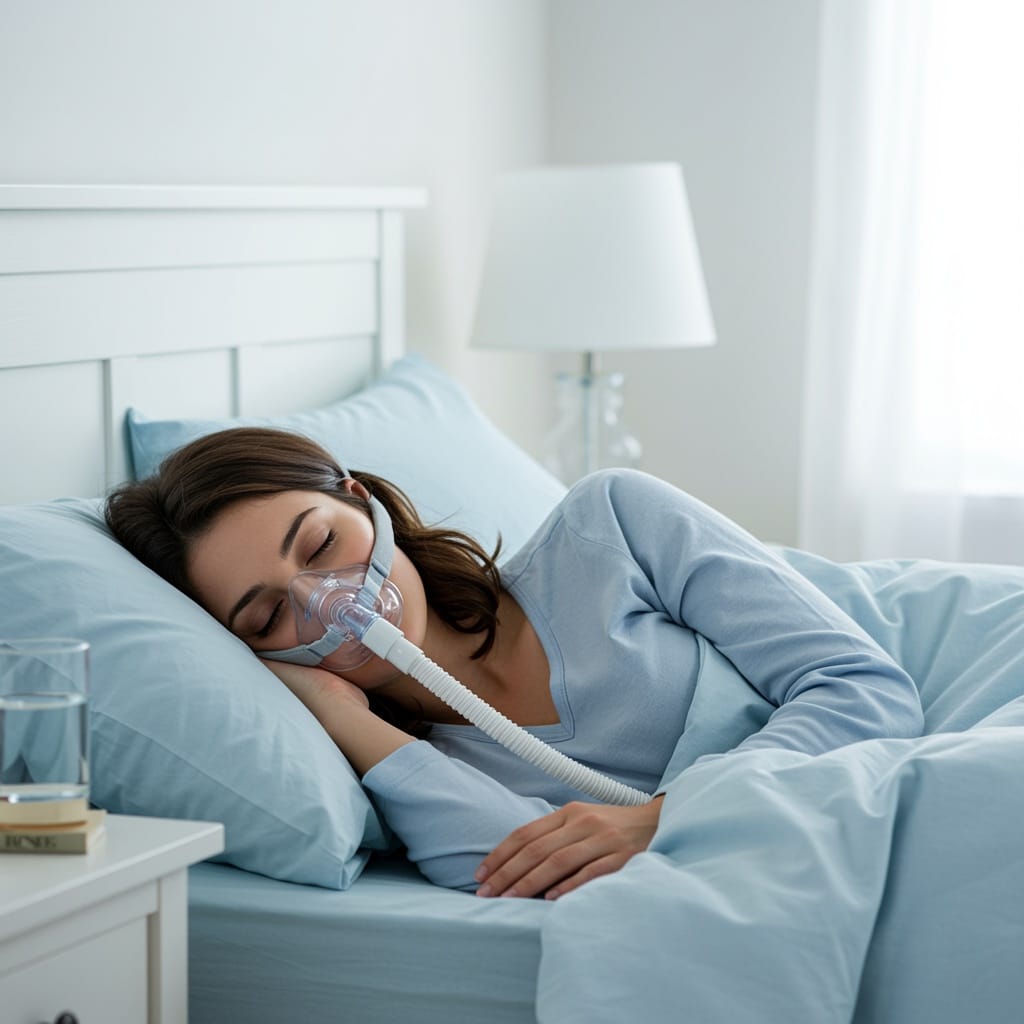
Obstructive sleep apnea, often called OSA, is a common sleep disorder in which the upper airway repeatedly narrows or closes during sleep. When that happens, airflow drops or stops for short periods, even though the body is still trying to breathe. These interruptions can lower oxygen levels, break up sleep, and leave a person waking up tired, foggy, and unwell.
Medically responsible content note:
This article is for education only and does not diagnose or treat medical, dental, or sleep conditions. Bruxism, jaw pain, headaches, snoring, breathing pauses, and respiratory symptoms can have multiple causes. Seek care from a qualified medical, dental, sleep, or orofacial pain professional when symptoms are persistent, worsening, severe, or disruptive.
Many people think sleep apnea is just snoring. It is not. Snoring may be one warning sign, but obstructive sleep apnea can affect sleep quality, energy, mood, concentration, blood pressure, and long-term health. Some people realize something is wrong because they wake up exhausted or their bed partner notices gasping, choking, or pauses in breathing. Others live with symptoms for years without realizing that their sleep is being disrupted again and again.
If you have ever wondered why you sleep for hours but still wake up tired, obstructive sleep apnea may be part of the answer.
Quick Answer: What Is Obstructive Sleep Apnea?
Obstructive sleep apnea is a sleep disorder in which the upper airway repeatedly narrows or closes during sleep, reducing or stopping airflow even though the body is still trying to breathe. These episodes can lower oxygen levels, disrupt sleep, and lead to symptoms like loud snoring, morning headaches, dry mouth, daytime fatigue, and poor concentration.
What Is Obstructive Sleep Apnea?
Obstructive sleep apnea is a disorder in which breathing is repeatedly interrupted during sleep because the airway becomes blocked. The blockage usually happens in the upper airway, behind the nose, mouth, or throat. When the muscles and soft tissues in that area relax too much during sleep, the airway can become too narrow or collapse for a short time.
Even though the chest and diaphragm may still be working to pull air into the lungs, not enough air gets through. In some cases, breathing becomes very shallow. In others, it stops briefly. These interruptions can happen many times per hour and may continue throughout the night.
The word obstructive matters. It means the main problem is a physical blockage or narrowing of the airway. That is different from other breathing disorders in sleep where the brain’s signaling is the main issue. In obstructive sleep apnea, the body is trying to breathe, but the airway is getting in the way.
This is one reason the condition is often missed. A person may not remember waking up, but their sleep is still being disrupted over and over. They may think they are sleeping through the night when, in reality, their body is repeatedly struggling for airflow.
What Happens During an Obstructive Sleep Apnea Event?
During normal sleep, air moves freely through the nose or mouth, down the throat, and into the lungs. In obstructive sleep apnea, that process is interrupted when the upper airway narrows or collapses.
A typical event often looks like this:
- The throat muscles relax during sleep
- The airway narrows too much or closes
- Airflow drops or stops
- Oxygen levels may begin to fall
- The brain senses a problem and briefly arouses the sleeper
- The airway reopens and breathing starts again
That brief arousal may be so short that the person has no memory of it the next morning. Still, it breaks the normal rhythm of sleep. When that cycle repeats again and again, sleep becomes fragmented and less restorative.
Some people snort, gasp, or choke as breathing starts again. Others shift position or partially wake without fully realizing it. Over time, these repeated interruptions can leave the body under constant nighttime stress.
Why Obstructive Sleep Apnea Is More Than Snoring
Snoring is one of the most recognized signs of obstructive sleep apnea, but the two are not the same thing. Some people snore and do not have sleep apnea. Others have sleep apnea and underestimate how much it is affecting their health.
Simple snoring happens when airflow makes soft tissues in the airway vibrate. Obstructive sleep apnea goes further. It involves repeated airway blockage that affects breathing, oxygen levels, and sleep continuity.
That difference is important. OSA is not just a noisy sleep habit. It is a sleep-related breathing disorder that can leave a person exhausted during the day, mentally foggy, and less resilient under stress. It can affect work performance, driving safety, relationships, and quality of life.
For many couples, the problem is shared. Loud snoring, gasping, and restless sleep can disturb the bed partner as well. In some homes, both people end up sleep deprived.
Common Symptoms of Obstructive Sleep Apnea
The symptoms of obstructive sleep apnea do not look exactly the same in everyone. Some people notice clear breathing-related signs at night. Others mainly feel the daytime effects.
Common symptoms include:
- Loud, frequent snoring
- Pauses in breathing during sleep noticed by a partner
- Gasping, choking, or snorting during sleep
- Waking up with a dry mouth
- Morning headaches
- Unrefreshing sleep
- Excessive daytime sleepiness
- Trouble focusing or brain fog
- Irritability or mood changes
- Frequent waking during the night
Some people also notice poor memory, lower motivation, or reduced work performance. Others feel sleepy while reading, watching television, or driving. These symptoms are often blamed on stress, age, or a busy life, which is one reason sleep apnea can stay hidden for a long time.
There can also be overlap with other nighttime problems, including teeth grinding, jaw tension, and restless sleep. Symptoms do not always point in one clean direction, which is why proper evaluation matters.
Click here to learn if you need a sleep study
What Causes Obstructive Sleep Apnea?
Obstructive sleep apnea develops when the airway becomes too narrow or unstable during sleep. Several factors can contribute.
Relaxed Airway Tissues
When you fall asleep, the muscles that help hold the airway open relax. In some people, that normal relaxation is enough to let the airway narrow too much. If the tissues in the throat are more likely to collapse, breathing becomes less stable.
Anatomy and Airway Crowding
The structure of the face, jaw, tongue, palate, and throat can affect how much room the airway has. A naturally smaller airway, enlarged tissues, or a jaw position that reduces airway space can raise the risk.
Body Weight and Neck Size
Extra tissue around the neck and upper airway can make collapse more likely during sleep. This is one reason body weight is often discussed in relation to OSA. At the same time, not everyone with obstructive sleep apnea is overweight, so this should never be used as a simple rule.
Nasal Obstruction
Chronic congestion, inflammation, or structural blockage in the nose can make breathing less efficient during sleep. When nasal breathing is limited, the airway may become more vulnerable.
Sleeping Position
Some people have worse airway collapse when sleeping on their back. In that position, gravity can pull the tongue and soft tissues backward and narrow the airway further.
Alcohol or Sedatives
Alcohol and certain sedating medications can relax the airway muscles more than usual. That can worsen snoring and make obstructive sleep apnea more severe.
Age-Related Changes
As people age, tissue tone and muscle responsiveness can change. That may increase the tendency of the airway to collapse during sleep.
In many cases, OSA is caused by a combination of factors, not just one. That is why a full picture matters more than a single assumption.
Who Is at Higher Risk for OSA?
Obstructive sleep apnea can affect adults of many ages and body types, but some people have a higher risk than others.
Risk factors include:
- Habitual loud snoring
- Excess weight, especially around the neck or abdomen
- High blood pressure
- Older age
- Male sex
- Postmenopausal status in women
- Family history of sleep apnea
- Nasal obstruction/Mouth breathing
- Certain jaw or airway structural features
- Alcohol use near bedtime
Risk factors are not the same as a diagnosis. A person can have several risk factors and not have OSA. On the other hand, someone with few obvious risk factors can still have clinically meaningful sleep apnea. That is why symptoms and sleep testing matter.
Click here to understand the link between OSA and mouth breathing
Click here to understand OSA and High Blood Pressure
Why Untreated OSA Can Affect Your Health
Untreated obstructive sleep apnea can do much more than leave you tired. Repeated breathing interruptions and fragmented sleep can affect the brain, the cardiovascular system, and daily functioning.
Daytime Fatigue and Brain Fog
When sleep is interrupted again and again, the brain does not get the steady restorative sleep it needs. A person may spend enough time in bed but still wake feeling drained. Fatigue, poor concentration, forgetfulness, and mental sluggishness often follow.
Mood Changes
Sleep disruption affects emotional regulation. Some people with OSA feel more irritable, anxious, or emotionally worn down. Others notice lower patience and a reduced ability to cope with daily stress.
Driving and Safety Concerns
Daytime sleepiness can become dangerous, especially while driving. Reduced alertness during routine tasks can increase the risk of accidents at work, on the road, or at home.
Cardiovascular Stress
Sleep apnea can place stress on blood pressure regulation and the heart. Repeated oxygen drops and repeated arousals activate stress responses in the body, night after night. Over time, that can add to a larger health burden.
Strain on Relationships
Loud snoring, restless sleep, and gasping can disturb the bed partner too. In some households, both people become sleep deprived, which can affect mood, patience, and quality of life.
The longer these symptoms go on, the easier they are to normalize. That does not make them harmless.
Click here to understand OSA and morning headaches
How Obstructive Sleep Apnea Is Diagnosed
Symptoms can raise suspicion for obstructive sleep apnea, but they do not confirm it. Diagnosis usually requires a sleep study.
A clinician may begin by asking about snoring, witnessed breathing pauses, gasping, dry mouth, morning headaches, fatigue, and daytime sleepiness. Risk factors such as blood pressure, body weight, neck size, nasal obstruction, and family history may also be reviewed.
If sleep apnea is suspected, the next step is often sleep testing. This may involve:
- A home sleep test, which is commonly used when uncomplicated obstructive sleep apnea is suspected
- A lab sleep study, which provides more detailed monitoring and may be used in more complex cases
Testing helps determine whether breathing disruptions are happening during sleep and how severe they may be.
Click here to understand how to get a diagnosis
Treatment Options for Obstructive Sleep Apnea
Treatment for obstructive sleep apnea depends on the severity of the problem, the person’s anatomy, symptoms, and medical history. The best option is not the same for everyone.
CPAP
Continuous positive airway pressure, or CPAP, uses pressurized air to help keep the airway open during sleep. It is one of the most widely used treatments for OSA.
Oral Appliance Therapy
Custom oral appliances can help reposition the jaw or support the airway during sleep in selected patients. This is one reason sleep physicians and dentists may work together in treatment.
Positional Therapy
Some people have worse symptoms when sleeping on their back. Positional strategies may help reduce breathing events in those cases.
Weight-Related Care When Appropriate
For some patients, reducing body weight can improve airway stability and lower the severity of OSA. It is not the full story, but it can be one part of treatment.
Nasal and Airway Management
Addressing nasal blockage or other airway issues may improve sleep breathing in some cases.
Surgery in Selected Cases
Surgical treatment may be considered when anatomy plays a major role or when other approaches are not effective or tolerated.
The key point is this: obstructive sleep apnea is treatable, but it first has to be identified.
When to Talk to a Doctor About OSA
It is time to talk to a doctor if you or your bed partner notice symptoms that suggest obstructive sleep apnea, especially if they happen regularly.
Consider seeking evaluation if you:
- Snore loudly and often
- Wake up tired even after enough time in bed
- Wake with dry mouth or morning headaches
- Feel sleepy during the day
- Have trouble focusing
- Wake up gasping or choking
- Have a partner who notices breathing pauses
- Have high blood pressure along with poor sleep symptoms
The goal is not to self-diagnose. The goal is to recognize when poor sleep may be more than stress, aging, or a bad routine.
The Bottom Line on Obstructive Sleep Apnea
Obstructive sleep apnea is a common but often overlooked condition in which the airway repeatedly narrows or closes during sleep. Those breathing disruptions can lower oxygen levels, fragment sleep, and lead to symptoms such as loud snoring, fatigue, morning headaches, dry mouth, poor focus, and daytime sleepiness.
It is more than a snoring problem. It is a sleep and breathing disorder that can affect how you feel, function, and recover every day.
The good news is that OSA can be diagnosed and treated. If the symptoms in this article sound familiar, the next step is not guessing. It is learning whether sleep testing makes sense and what kind of evaluation may be appropriate.
Click here to decide what to do next
Continue reading:
- Signs You May Need a Sleep Study
- Home Sleep Test vs Lab Sleep Study
- Understanding Sleep Disorders: Beyond Just Fatigue
FAQ
1. What is obstructive sleep apnea in simple terms?
Obstructive sleep apnea is a condition in which the airway repeatedly narrows or closes during sleep, making it harder to breathe. These interruptions can reduce oxygen, disturb sleep, and lead to symptoms like snoring, fatigue, and morning headaches.
2. Is obstructive sleep apnea serious?
It can be. Obstructive sleep apnea can affect oxygen levels, sleep quality, daytime alertness, and overall health. The seriousness depends on how often breathing is interrupted and how much strain it places on the body.
3. Is obstructive sleep apnea the same as snoring?
No. Snoring is a common symptom, but obstructive sleep apnea involves repeated airway blockage during sleep. Not everyone who snores has sleep apnea.
4. What causes obstructive sleep apnea?
OSA is caused by repeated narrowing or collapse of the upper airway during sleep. Anatomy, airway crowding, weight, nasal blockage, sleep position, alcohol, and age can all contribute.
5. Can thin people have obstructive sleep apnea?
Yes. Although body weight can be a risk factor, people of many body types can have obstructive sleep apnea. Airway anatomy and other factors also matter.
6. What are the most common symptoms of obstructive sleep apnea?
Common symptoms include loud snoring, witnessed breathing pauses, gasping during sleep, dry mouth, morning headaches, unrefreshing sleep, daytime fatigue, and brain fog.
7. How do doctors diagnose obstructive sleep apnea?
Doctors usually diagnose obstructive sleep apnea with a sleep study, either at home or in a sleep lab, along with a review of symptoms and risk factors.
8. What happens during a sleep apnea event?
During an event, the airway narrows or closes, airflow drops, oxygen may fall, and the brain briefly arouses the sleeper to reopen the airway. This can repeat many times during the night.
9. Can obstructive sleep apnea be treated?
Yes. Treatment options may include CPAP, oral appliance therapy, positional therapy, weight-related interventions, nasal management, or surgery in selected cases.
10. When should you see a doctor for sleep apnea symptoms?
You should talk to a doctor if you snore loudly, wake up tired, feel sleepy during the day, wake with headaches or dry mouth, gasp in your sleep, or your bed partner notices pauses in your breathing.

Randy Clare is a writer, educator, and health communicator focused on making complex clinical topics easier to understand. He is the author of The Brux Method, host of The Clenching Chronicle Podcast, and a contributor to ClenchAlert. He previously served as Director of Digital Marketing at Glidewell Dental, is President of Hawkeye Group, and co-founded the American Sleep and Breathing Academy.